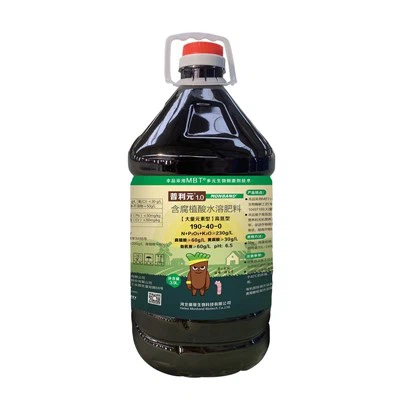
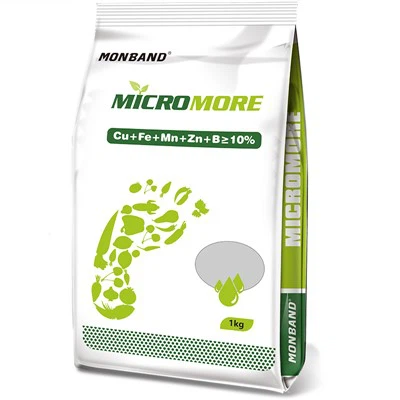
In the realm of modern agriculture, the pursuit of enhancing crop nutritional value is a continuous endeavor. As a supplier of Fertilizer with Humic Acid, I am frequently asked whether this type of fertilizer can truly increase the nutritional value of crops. In this blog, I will delve into the scientific aspects of this question, exploring the mechanisms through which humic acid fertilizers work and their impact on crop nutrition.


Understanding Humic Acid and Its Role in Agriculture
Humic acid is a natural organic compound formed through the decomposition of plant and animal residues over an extended period. It is a key component of humus, the dark, organic material that gives soil its rich, fertile character. Humic acid is characterized by its high molecular weight and complex structure, which contains various functional groups such as carboxyl, phenolic, and hydroxyl groups. These functional groups play a crucial role in its interaction with soil and plants.
One of the primary functions of humic acid in soil is to improve soil structure. It acts as a binder, aggregating soil particles into larger, more stable aggregates. This improves soil porosity, allowing for better aeration and water infiltration. As a result, plant roots can penetrate the soil more easily, access nutrients more efficiently, and grow more vigorously.
In addition to improving soil structure, humic acid also has a significant impact on nutrient availability. It can chelate or bind with essential nutrients such as iron, zinc, manganese, and copper, preventing them from being fixed in the soil and making them more accessible to plants. This chelation process not only enhances nutrient uptake by plants but also reduces the risk of nutrient leaching, which can lead to environmental pollution.
The Impact of Humic Acid Fertilizers on Crop Nutritional Value
Now, let's turn our attention to the question of whether fertilizer with humic acid can increase the nutritional value of crops. Several scientific studies have investigated this topic, and the results are quite promising.
Enhanced Nutrient Uptake
As mentioned earlier, humic acid can improve nutrient availability in the soil and enhance nutrient uptake by plants. This means that crops grown with humic acid fertilizers are more likely to absorb an adequate supply of essential nutrients, which are crucial for their growth and development. For example, studies have shown that the application of humic acid fertilizers can increase the uptake of nitrogen, phosphorus, and potassium by plants. These macronutrients are essential for various physiological processes in plants, such as photosynthesis, respiration, and cell division.
In addition to macronutrients, humic acid fertilizers can also enhance the uptake of micronutrients. Micronutrients such as iron, zinc, and manganese are required in small amounts but are essential for plant health. A deficiency in these micronutrients can lead to various physiological disorders in plants, resulting in reduced growth and yield. By improving the availability and uptake of micronutrients, humic acid fertilizers can help prevent these deficiencies and ensure that crops have a balanced nutrient supply.
Improved Photosynthesis
Photosynthesis is the process by which plants convert sunlight, carbon dioxide, and water into glucose and oxygen. It is the primary source of energy for plants and is essential for their growth and development. Humic acid has been shown to enhance photosynthesis in plants by increasing the efficiency of light absorption and the activity of photosynthetic enzymes.
One way humic acid improves photosynthesis is by increasing the chlorophyll content in plant leaves. Chlorophyll is the pigment that absorbs light energy during photosynthesis. By increasing the chlorophyll content, humic acid allows plants to capture more light energy, which can be used to produce more glucose and oxygen. In addition, humic acid can also enhance the activity of Rubisco, an enzyme that plays a crucial role in the carbon fixation process during photosynthesis.
Increased Antioxidant Activity
Antioxidants are compounds that protect plants from oxidative stress, which can be caused by various environmental factors such as drought, salinity, and high temperatures. Oxidative stress can damage plant cells and tissues, leading to reduced growth and yield. Humic acid has been shown to increase the antioxidant activity in plants, which helps them to cope with oxidative stress more effectively.
One of the ways humic acid increases antioxidant activity is by stimulating the production of antioxidant enzymes such as superoxide dismutase (SOD), catalase (CAT), and peroxidase (POD). These enzymes can scavenge reactive oxygen species (ROS) such as superoxide radicals, hydrogen peroxide, and hydroxyl radicals, which are produced during oxidative stress. By reducing the levels of ROS, these antioxidant enzymes protect plant cells and tissues from oxidative damage.
Improved Fruit Quality
In addition to enhancing nutrient uptake, photosynthesis, and antioxidant activity, humic acid fertilizers can also improve fruit quality. Studies have shown that the application of humic acid fertilizers can increase the sugar content, vitamin C content, and flavor of fruits. For example, a study on strawberries found that the application of humic acid fertilizers increased the sugar content by up to 20% and the vitamin C content by up to 30%.
The improvement in fruit quality can be attributed to several factors. First, humic acid fertilizers can enhance nutrient uptake by plants, which provides the necessary building blocks for the synthesis of sugars, vitamins, and other secondary metabolites. Second, humic acid can improve photosynthesis, which increases the production of glucose and other carbohydrates. These carbohydrates can be used for the synthesis of sugars and other flavor compounds in fruits. Finally, humic acid can increase the antioxidant activity in fruits, which helps to preserve their quality and extend their shelf life.
Real-World Applications and Case Studies
The positive impact of humic acid fertilizers on crop nutritional value has been demonstrated in numerous real-world applications. Farmers around the world have reported significant improvements in crop yield, quality, and nutritional value after using humic acid fertilizers.
For example, a farmer in California who grows tomatoes switched to using our Liquid Humic Acid Organic Fertilizer and noticed a remarkable difference in his crops. The tomatoes were larger, more flavorful, and had a higher vitamin C content compared to previous seasons. In addition, the plants were more resistant to diseases and pests, which reduced the need for chemical pesticides.
Another farmer in Brazil who grows soybeans started using our Bio Humic Fertilizer and saw a significant increase in soybean yield. The soybeans also had a higher protein content, which made them more valuable in the market. The farmer was able to sell his soybeans at a higher price, resulting in increased profits.
Conclusion
In conclusion, fertilizer with humic acid has the potential to significantly increase the nutritional value of crops. Through its ability to improve soil structure, enhance nutrient availability, and stimulate plant growth and development, humic acid fertilizers can help crops absorb more essential nutrients, produce more antioxidants, and improve fruit quality. The numerous scientific studies and real-world applications provide strong evidence for the effectiveness of humic acid fertilizers in enhancing crop nutrition.
If you are a farmer or an agricultural professional looking to improve the nutritional value of your crops, we invite you to explore our range of Fertilizer with Humic Acid products. Our products are formulated using high-quality humic acid sources and are designed to provide maximum benefits to your crops. Contact us today to learn more about our products and how they can help you achieve your agricultural goals.
References
- Chen, Y., & Aviad, T. (1990). The effects of humic substances on plant growth. In P. MacCarthy, C. E. Clapp, R. L. Malcolm, & P. R. Bloom (Eds.), Humic substances in soil, sediment, and water: Geochemistry, isolation, and characterization (pp. 401-420). Wiley.
- Nardi, S., Pizzeghello, D., Muscolo, A., & Varanini, Z. (2002). Humic substances as biostimulants of plant growth. Journal of Plant Nutrition, 25(7), 1377-1395.
- Zhang, H., & Schmidt, S. (1999). Effects of humic acid on nutrient uptake and growth of maize seedlings. Biology and Fertility of Soils, 29(2), 135-141.
- Canellas, L. P., Olivares, F. L., Santos, H. G., & Olivares, M. L. (2015). Humic substances: A key component for improving soil fertility and plant growth. Revista Brasileira de Ciência do Solo, 39(3), 909-922.
- Dobbss, A. R., & Goss, M. J. (2012). The impact of humic substances on plant growth and development. Journal of Agricultural and Food Chemistry, 60(48), 11940-11947.