Can soluble fertiliser be used on mushrooms? That's a question I've been getting a lot lately as a soluble fertiliser supplier. In this blog, I'm gonna break down the ins and outs of using soluble fertilisers on mushrooms, sharing some science, my own experiences, and what you need to know if you're thinking about giving it a go.
First off, let's talk about mushrooms. They're not your typical plants. Unlike green plants that use photosynthesis to make their own food, mushrooms are fungi. They get their nutrients by breaking down organic matter in their environment. This means their nutritional needs are a bit different from what we're used to when it comes to gardening or farming with regular plants.
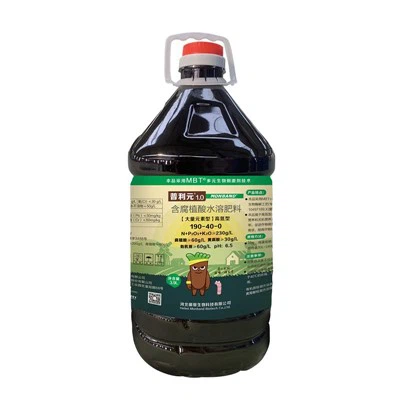
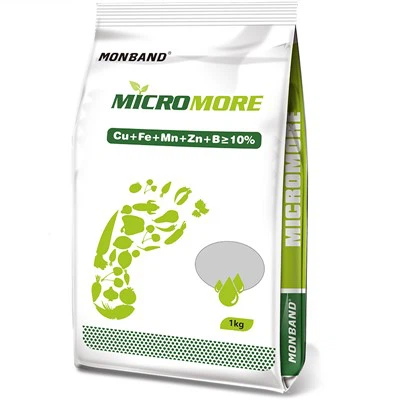
Soluble fertilisers are basically fertilisers that dissolve in water, making them easy to apply. They come in different types, like Water Soluble Fertilizer Bunnings, All Purpose Water Soluble Fertilizer, and Organic Soluble Fertilizer. Each type has its own mix of nutrients, and the idea is to provide plants with a quick boost of what they need.
So, can you use these soluble fertilisers on mushrooms? The answer is a bit complicated. On one hand, mushrooms do need certain nutrients to grow well, like nitrogen, phosphorus, and potassium. These are the main nutrients you'll find in most soluble fertilisers. Nitrogen is important for the growth of the mushroom mycelium, which is like the root system of the mushroom. Phosphorus helps with energy transfer and cell division, and potassium is involved in many physiological processes in the mushroom.
However, mushrooms are very sensitive to their environment. The wrong type or amount of fertiliser can actually harm them. For example, some soluble fertilisers might have a high salt content. Mushrooms don't like high salt levels because it can mess with their ability to absorb water and nutrients. If you use a fertiliser with too much salt, it could lead to stunted growth, poor quality mushrooms, or even kill the mycelium.
Another thing to consider is the source of the nutrients in the fertiliser. Mushrooms are used to getting their nutrients from natural, organic sources. If you use a synthetic soluble fertiliser, it might not be the best fit for them. Organic soluble fertilisers are a better option in this case because they're made from natural materials and are more in line with what mushrooms are used to in the wild.
I've had some customers who've tried using soluble fertilisers on their mushrooms. Some had good results, while others didn't. One customer who grew oyster mushrooms told me that using a small amount of an organic soluble fertiliser at the right time really helped increase the yield and size of the mushrooms. He used it during the fruiting stage, which is when the mushrooms start to form. He followed the instructions on the fertiliser package carefully and made sure to dilute it properly.
On the other hand, I had another customer who used a regular all - purpose soluble fertiliser without thinking about the salt content. The mushrooms didn't grow well at all. The mycelium seemed to stop growing, and the few mushrooms that did form were small and discolored. This just goes to show that you need to be careful when using soluble fertilisers on mushrooms.


If you're thinking about using soluble fertiliser on your mushrooms, here are some tips:
- Choose the right type of fertiliser: As I mentioned earlier, organic soluble fertilisers are usually a better choice. They're more natural and less likely to harm the mushrooms. You can check out Organic Soluble Fertilizer for a good option.
- Read the instructions: Make sure you understand how to use the fertiliser properly. This includes how much to use, when to use it, and how to dilute it.
- Start small: Don't go all in with a large amount of fertiliser right away. Try a small amount first and see how the mushrooms react. You can always increase the amount if needed.
- Monitor the mushrooms: Keep an eye on the mushrooms after you apply the fertiliser. Look for any signs of stress, like yellowing, wilting, or slow growth. If you notice any problems, stop using the fertiliser immediately.
In conclusion, it is possible to use soluble fertilisers on mushrooms, but it requires careful consideration and the right approach. If you do it correctly, you might be able to increase the yield and quality of your mushrooms. But if you're not careful, you could end up doing more harm than good.
If you're interested in learning more about soluble fertilisers for your mushroom growing needs or want to discuss which fertiliser might be the best fit for you, I'd love to hear from you. Just reach out, and we can have a chat about your specific situation.
References
- Smith, J. (2020). Mushroom Cultivation: A Practical Guide. Publisher Name.
- Brown, A. (2019). The Science of Fertilisers. Academic Press.