

Hey there, fellow farmers! I'm an organic soluble fertilizer supplier, and I know how important it is to get the most out of your large - scale farming operations. Today, I'm going to walk you through the application methods for organic soluble fertilizer in large - scale farming.
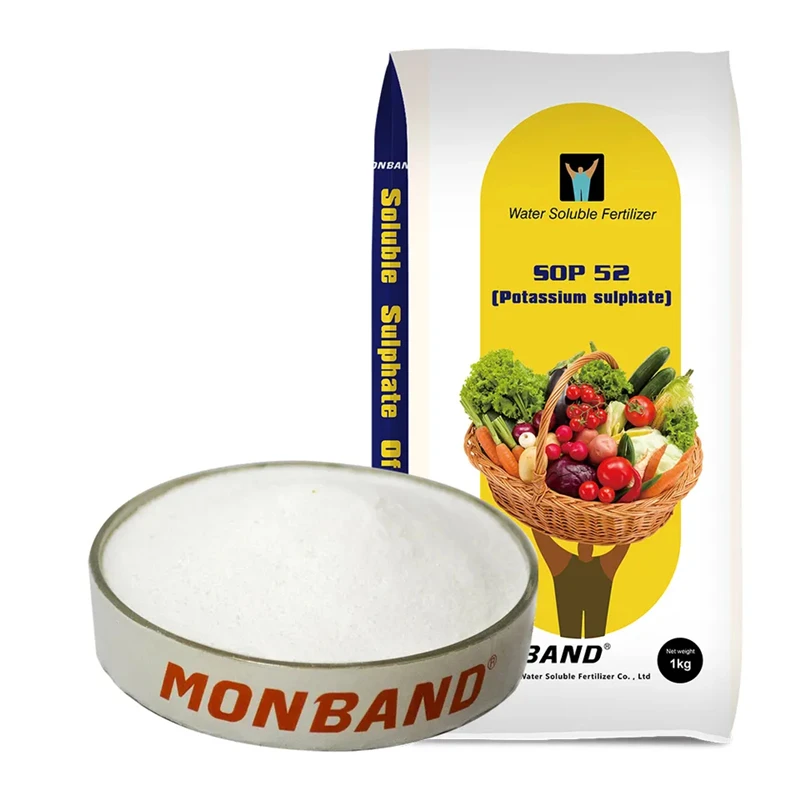

First off, let's talk a bit about what organic soluble fertilizer is. Organic soluble fertilizers are derived from natural sources like plant materials, animal manure, and other organic substances. They are great for the environment as they are biodegradable and contain a variety of nutrients that are essential for plant growth. You can learn more about Organic Soluble Fertilizer.
Soil Application
One of the most common ways to apply organic soluble fertilizer in large - scale farming is through soil application. This method involves mixing the fertilizer with the soil before planting or during the growing season.
Pre - planting Application
Before you even plant your crops, you can incorporate the organic soluble fertilizer into the soil. This gives the plants immediate access to nutrients as soon as they start growing. First, you'll need to test your soil to determine its nutrient content and pH level. This will help you figure out how much fertilizer to apply. You can use a soil testing kit, which you can easily find at your local farm supply store.
Once you know the requirements, spread the organic soluble fertilizer evenly over the soil. Then, use a tiller or a plow to mix it into the top 6 - 8 inches of the soil. This ensures that the nutrients are well - distributed and available to the plant roots.
Side - dressing
During the growing season, you can also use side - dressing. Side - dressing means applying the fertilizer alongside the rows of crops. This is especially useful when the plants are actively growing and need a quick boost of nutrients.
For large - scale farming, you can use a granular spreader to evenly distribute the organic soluble fertilizer beside the plants. Make sure to keep the fertilizer a few inches away from the plant stems to avoid burning the plants. After spreading the fertilizer, lightly till the soil around the plants to incorporate it.
Foliar Application
Another effective way to apply organic soluble fertilizer is through foliar application. This involves spraying the fertilizer directly onto the leaves of the plants. The advantage of foliar application is that the plants can quickly absorb the nutrients through their leaves, which is especially useful when the soil conditions are not ideal for nutrient uptake.
Preparation of the Solution
To perform foliar application, you first need to prepare the organic soluble fertilizer solution. Follow the manufacturer's instructions on the packaging to mix the right amount of fertilizer with water. It's important to use clean water, as contaminants in the water can affect the effectiveness of the fertilizer.
Make sure the solution is well - mixed. You can use a handheld sprayer for small - scale areas, but for large - scale farming, you'll need a tractor - mounted sprayer or an aerial sprayer.
Spraying
When spraying, cover the entire surface of the leaves, including the undersides. This is because the stomata, which are the small pores on the leaves through which the plant absorbs nutrients, are more abundant on the undersides. It's best to spray early in the morning or late in the afternoon when the temperature is cooler and the leaves are less likely to burn. Avoid spraying during windy conditions to prevent the solution from drifting.
Irrigation Application
Irrigation application, also known as fertigation, is a popular method in large - scale farming. This method combines the application of water and fertilizer, making it efficient and convenient.
Drip Irrigation
With drip irrigation, the organic soluble fertilizer is injected into the irrigation system. The fertilizer solution is slowly released directly to the plant roots through drip emitters. This method is very precise as it delivers the right amount of nutrients to the plants, reducing waste.
First, you need to have a fertilizer injector installed in your drip irrigation system. Then, dissolve the organic soluble fertilizer in a mixing tank. Set the injector to the appropriate rate based on the crop's nutrient requirements. The fertilizer solution will then be carried through the pipes and deliver nutrients to the plants along with the water.
Sprinkler Irrigation
Sprinkler irrigation can also be used for fertigation. Similar to drip irrigation, the organic soluble fertilizer is mixed with water in a tank and then injected into the sprinkler system. The fertilizer - water mixture is then sprayed over the crops.
However, it's important to be careful with sprinkler irrigation. The spray pattern should be uniform to ensure that all the plants receive an equal amount of fertilizer. Also, make sure to rinse the sprinkler heads after each use to prevent clogging.
Choosing the Right Application Method
The choice of application method depends on several factors. The type of crop you're growing is an important consideration. Some crops, like vegetables, may benefit more from foliar application during certain growth stages, while others, like grains, may do well with soil application.
Soil conditions also play a role. If your soil has a low nutrient - holding capacity or poor drainage, fertigation through drip irrigation might be a better option as it allows for better control of nutrient delivery.
Another factor is the cost and availability of equipment. Foliar application requires sprayers, and fertigation requires fertilizer injectors. You need to assess whether you have the necessary equipment or if it's worth investing in for your large - scale farming operation.
Our Product Range
As an organic soluble fertilizer supplier, we offer a wide range of products to meet your farming needs. In addition to our Organic Soluble Fertilizer, we also have Premium Water Soluble Fertilizer and Water Soluble Balanced Fertilizer. These products are carefully formulated to provide your crops with the right balance of nutrients for healthy growth.
If you're interested in learning more about our products or discussing the best application methods for your specific farming situation, don't hesitate to reach out. We're here to help you make the most of your large - scale farming operations and achieve the best possible yields.
References
- Brady, N. C., & Weil, R. R. (2008). The nature and properties of soils. Pearson Prentice Hall.
- Mengel, K., & Kirkby, E. A. (2001). Principles of plant nutrition. Kluwer Academic Publishers.


