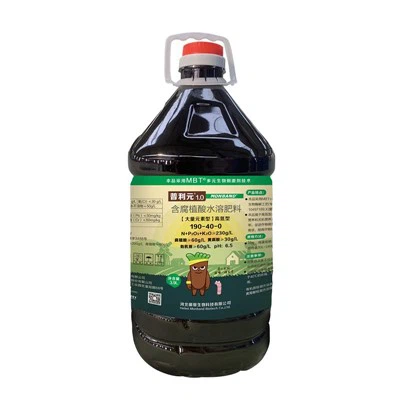
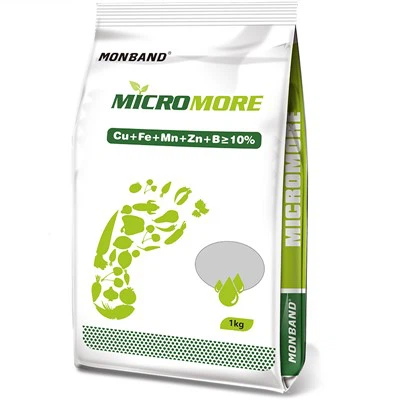
Hey there! As a supplier of Humic Acid Liquid Fertilizer, I've been getting a ton of questions lately about whether this stuff can actually increase crop yield. Well, I'm here to break it down for you and share some insights based on my experience and the latest scientific knowledge.
First off, let's talk about what humic acid is. Humic acid is a natural substance that forms when organic matter, like dead plants and animals, decomposes over time. It's found in soil, peat, and other organic materials. In liquid fertilizer form, it's concentrated and can be easily applied to crops.
One of the key ways humic acid liquid fertilizer can boost crop yield is by improving soil structure. When you add this fertilizer to your soil, it helps to create a more porous and crumbly texture. This allows for better water infiltration and air circulation in the soil. Roots can grow more easily through the soil, accessing nutrients and water more efficiently. For example, in clay soils, which tend to be heavy and compacted, humic acid can help break up the clumps and make the soil more workable. On the other hand, in sandy soils, it can help retain moisture and nutrients that would otherwise leach away.
Another important benefit is its ability to enhance nutrient uptake by plants. Humic acid acts as a chelating agent, which means it binds to essential nutrients like nitrogen, phosphorus, and potassium, as well as micronutrients such as iron, zinc, and manganese. This makes these nutrients more available to plants. When plants can access more nutrients, they can grow stronger, healthier, and produce more fruits, vegetables, or grains. For instance, studies have shown that crops treated with humic acid liquid fertilizer have higher levels of chlorophyll, which is essential for photosynthesis. More photosynthesis means more energy for the plant to grow and develop.
Humic acid also has a positive impact on the soil microbiome. The soil is teeming with billions of microorganisms, including bacteria, fungi, and protozoa. These microorganisms play a crucial role in breaking down organic matter, releasing nutrients, and protecting plants from diseases. Humic acid provides a food source for these beneficial microbes, promoting their growth and activity. A healthy soil microbiome can help suppress harmful pathogens and improve the overall health of the soil. This, in turn, leads to healthier plants and higher yields.
Now, let's look at some real - world examples. I've had many customers who have reported significant increases in crop yields after using our humic acid liquid fertilizer. One farmer who grows tomatoes told me that after switching to our product, his tomato plants were more vigorous, with larger fruits and a longer harvest period. Another customer who grows wheat noticed that the wheat grains were plumper and the overall yield per acre increased by about 15%.
But don't just take my word for it. There's a lot of scientific research backing up these claims. A study published in the Journal of Plant Nutrition found that applying humic acid liquid fertilizer to maize increased the grain yield by up to 20%. Another research project on strawberry plants showed that the use of humic acid led to larger berries, higher sugar content, and an increase in the number of fruits per plant.
If you're still not convinced, let me tell you about some of the different types of humic acid liquid fertilizers we offer. We have Bio Humic Fertilizer, which combines humic acid with beneficial microorganisms. This product not only provides the benefits of humic acid but also introduces more good bacteria and fungi to the soil. Then there's our Fertilizer with Humic Acid, which is formulated to provide a balanced supply of nutrients along with the humic acid. And our Humic Organic Fertilizer is made from all - natural organic materials, making it a great choice for those who prefer an organic approach to farming.


Of course, like any fertilizer, the effectiveness of humic acid liquid fertilizer can depend on several factors. The type of soil, the crop being grown, the climate, and the application method all play a role. It's important to follow the recommended application rates and timing for the best results. For most crops, it's a good idea to apply the fertilizer during the early growth stages to give the plants a head start.
In conclusion, based on both scientific research and real - world experience, humic acid liquid fertilizer has the potential to significantly increase crop yield. It improves soil structure, enhances nutrient uptake, and promotes a healthy soil microbiome. If you're a farmer or a gardener looking to boost your crop production, I highly recommend giving our humic acid liquid fertilizers a try.
If you're interested in learning more or want to start a purchase negotiation, feel free to reach out. We're always happy to answer your questions and help you find the right product for your needs.
References
- Journal of Plant Nutrition research on maize yield
- Research project on strawberry plants