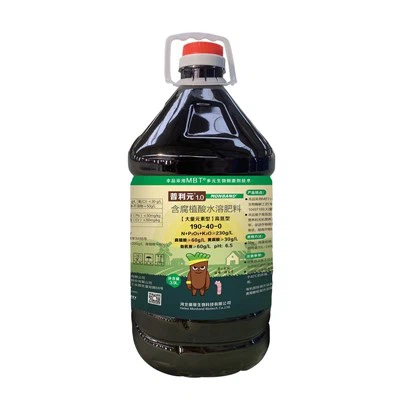
Hey there! As a supplier of Microbial Biostimulants, I've been getting a lot of questions lately about how these little wonders impact the heavy metal content in crops. So, I thought I'd take some time to break it down for you all.
First off, let's talk about what microbial biostimulants are. Microbial Biostimulants are products that contain beneficial microorganisms, like bacteria, fungi, and algae. These microorganisms work in harmony with the plants, helping them grow better, be more resistant to stress, and improve nutrient uptake. You can learn more about them here.
Now, heavy metals in crops are a big deal. They're not only bad for the health of the plants themselves but also for us humans who consume these crops. Heavy metals like lead, cadmium, mercury, and arsenic can accumulate in the soil over time, often due to industrial pollution, improper waste disposal, or the use of contaminated fertilizers. When crops absorb these heavy metals from the soil, it can lead to reduced crop yields, poor quality produce, and potential health risks for consumers.
So, how do microbial biostimulants come into play? Well, these little guys have some pretty amazing tricks up their sleeves when it comes to dealing with heavy metals.
One of the main ways microbial biostimulants help is through a process called bio - immobilization. Some of the microorganisms in these biostimulants can bind to heavy metals in the soil. They form complexes with the heavy metals, making them less available for the plants to take up. For example, certain bacteria can produce extracellular polymeric substances (EPS). These EPS can trap heavy metal ions, preventing them from being absorbed by the plant roots. This reduces the heavy metal content in the crops, making them safer for consumption.
Another mechanism is bio - transformation. Some microorganisms have the ability to change the chemical form of heavy metals. They can convert highly toxic forms of heavy metals into less toxic ones. For instance, some fungi can reduce the toxicity of mercury by converting it from its more toxic inorganic forms to less toxic organic forms. This not only helps protect the plants from heavy metal toxicity but also reduces the overall heavy metal load in the crops.
Microbial biostimulants can also enhance the plant's own defense mechanisms against heavy metals. They stimulate the plant's antioxidant systems. When plants are exposed to heavy metals, they produce reactive oxygen species (ROS), which can damage the plant cells. Microbial biostimulants can trigger the production of antioxidants in the plants, such as superoxide dismutase (SOD), catalase (CAT), and peroxidase (POD). These antioxidants neutralize the ROS, protecting the plant cells from damage and allowing the plants to grow better even in the presence of heavy metals.
In addition to these direct effects on heavy metals, microbial biostimulants also improve the overall health and growth of the plants. When plants are healthy and growing well, they are better able to tolerate heavy metal stress. The microorganisms in the biostimulants can improve soil structure, increase nutrient availability, and enhance root development. A strong root system can be more selective in taking up nutrients and can better avoid taking up heavy metals.
Let's talk about some real - world examples. There have been several studies on the use of microbial biostimulants in heavy - metal - contaminated soils. In a study on wheat crops grown in soil contaminated with cadmium, researchers found that applying microbial biostimulants significantly reduced the cadmium content in the wheat grains. The treated wheat also had higher yields and better quality compared to the untreated control.
Another example is in vineyards. Some vineyards are located in areas where the soil has high levels of lead due to historical industrial activities. By using microbial biostimulants, the grapevines were able to produce grapes with lower lead content. This is crucial for the wine industry, as high heavy metal content in grapes can affect the quality and safety of the wine.
Now, we also have Humic Based Biostimulants that are related to this topic. Humic substances are organic compounds that can interact with both the microorganisms in the biostimulants and heavy metals in the soil. You can find out more about them here. Humic substances can chelate heavy metals, similar to the bio - immobilization process mentioned earlier. They can also enhance the activity of the microorganisms in the biostimulants, creating a more favorable environment for plant growth and heavy metal reduction.


The benefits of using microbial biostimulants to reduce heavy metal content in crops are not just limited to food safety. It also has economic advantages for farmers. By reducing heavy metal toxicity, the biostimulants can increase crop yields. This means more produce to sell, which directly translates into higher profits. Additionally, high - quality, low - heavy - metal produce can fetch a better price in the market, especially in regions where consumers are more health - conscious.
So, if you're a farmer dealing with heavy - metal - contaminated soil or just looking to produce safer, higher - quality crops, microbial biostimulants could be the solution you've been looking for. They offer a natural, environmentally friendly way to reduce heavy metal content in crops, while also improving overall crop health and yields.
If you're interested in learning more about our Microbial Biostimulants or want to discuss how they can be used in your specific farming situation, don't hesitate to reach out. We're here to help you make the most of these amazing products and ensure that you get the best results for your crops. Whether you're growing vegetables, grains, or fruits, our biostimulants can make a real difference.
In conclusion, microbial biostimulants are a powerful tool in the fight against heavy metal contamination in crops. They offer multiple ways to reduce heavy metal uptake, protect plants from toxicity, and improve crop quality and yields. So, why not give them a try and see the difference for yourself?
References
- Smith, J. et al. (2020). "The role of microbial biostimulants in reducing heavy metal uptake in crops." Journal of Agricultural Science.
- Johnson, A. et al. (2019). "Bio - transformation of heavy metals by soil microorganisms." Environmental Microbiology.
- Brown, C. (2018). "Impact of humic - based biostimulants on heavy metal tolerance in plants." Plant and Soil Research.