In the realm of modern agriculture, the choice of fertilizers plays a pivotal role in determining crop yield, quality, and overall soil health. Traditional fertilizers have long been the go - to solution for farmers seeking to enhance plant growth. However, in recent years, biostimulant fertilizers have emerged as a promising alternative, offering unique benefits that set them apart from their traditional counterparts. As a supplier of biostimulant fertilizers, I am excited to delve into the differences between these two types of fertilizers and explain why biostimulants are becoming an increasingly popular choice in the agricultural industry.
Composition and Nature
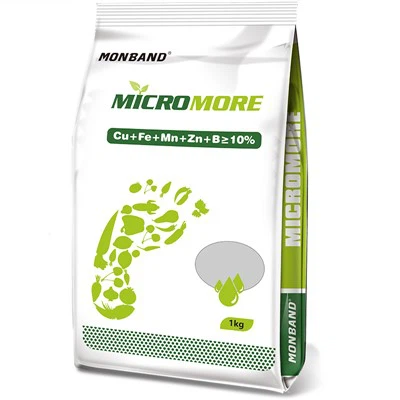
Traditional fertilizers are primarily composed of inorganic chemicals that provide essential nutrients to plants. These nutrients typically include nitrogen (N), phosphorus (P), and potassium (K), often referred to as NPK fertilizers. Other secondary nutrients such as calcium, magnesium, and sulfur, as well as micronutrients like iron, zinc, and manganese, may also be present in varying amounts. The nutrients in traditional fertilizers are in a readily available form that plants can absorb quickly.
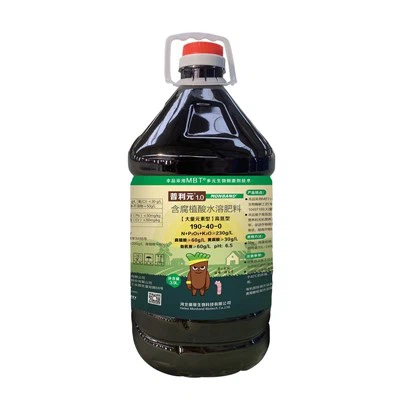
On the other hand, biostimulant fertilizers are a more complex and diverse group of products. They contain substances and microorganisms that stimulate natural processes in plants to enhance nutrient uptake, nutrient efficiency, tolerance to abiotic stress, and crop quality. Biostimulants can be derived from natural sources such as seaweed extracts, humic and fulvic acids, amino acids, and beneficial microorganisms. For example, Microbial Biostimulants are a type of biostimulant that contain live microorganisms such as bacteria, fungi, or yeasts. These microorganisms can form symbiotic relationships with plant roots, helping to solubilize nutrients, fix nitrogen, and protect plants from pathogens. Another type is Humic Based Biostimulants, which are rich in humic and fulvic acids. These acids can improve soil structure, increase cation exchange capacity, and enhance the availability of nutrients to plants.
Mode of Action
The mode of action of traditional fertilizers is relatively straightforward. They supply plants with the necessary nutrients in a form that can be directly absorbed by the roots. For instance, nitrogen fertilizers provide plants with the nitrogen they need for the synthesis of proteins, chlorophyll, and other essential molecules. Phosphorus is crucial for energy transfer and root development, while potassium helps regulate plant water balance and enzyme activity. Once applied to the soil, traditional fertilizers dissolve in water and are taken up by plant roots through passive or active transport mechanisms.


Biostimulant fertilizers, however, work in a more indirect and complex way. They act on the physiological and biochemical processes of plants to improve their overall performance. For example, seaweed extracts in biostimulants contain hormones such as auxins, cytokinins, and gibberellins, which can promote root growth, cell division, and flowering. Amino acids in biostimulants can be used by plants as building blocks for proteins and can also act as signaling molecules to regulate plant metabolism. Beneficial microorganisms in biostimulants can colonize the rhizosphere (the area around plant roots) and interact with plants in various ways. Some bacteria can fix atmospheric nitrogen and convert it into a form that plants can use, while others can produce enzymes that break down organic matter in the soil, releasing nutrients for plant uptake.
Impact on Soil Health
Traditional fertilizers, while effective in providing nutrients to plants, can have some negative impacts on soil health over time. Excessive use of inorganic fertilizers can lead to soil acidification, salinization, and a decrease in soil organic matter content. These problems can reduce soil fertility, disrupt the soil ecosystem, and make it more difficult for plants to grow. For example, continuous application of ammonium - based nitrogen fertilizers can lower the soil pH, which can cause the release of toxic metals such as aluminum and manganese, and reduce the availability of some nutrients.
Biostimulant fertilizers, on the other hand, have a positive impact on soil health. They can improve soil structure by promoting the formation of soil aggregates, which increases soil porosity and water infiltration. Biostimulants can also enhance the activity of soil microorganisms, which play a crucial role in nutrient cycling, organic matter decomposition, and soil fertility. For example, humic and fulvic acids in biostimulants can bind to soil particles and form stable complexes, preventing soil erosion and improving soil water - holding capacity. Beneficial microorganisms in biostimulants can also help to suppress soil - borne pathogens, reducing the need for chemical pesticides.
Environmental Impact
The environmental impact of traditional fertilizers is a growing concern. The production of inorganic fertilizers is energy - intensive and often involves the use of non - renewable resources. In addition, the runoff of excess nutrients from agricultural fields can cause water pollution, leading to eutrophication in lakes, rivers, and coastal areas. Eutrophication can result in the growth of harmful algal blooms, which can deplete oxygen levels in the water, kill fish and other aquatic organisms, and pose a threat to human health.
Biostimulant fertilizers are generally considered to be more environmentally friendly. Since they are often derived from natural sources, their production has a lower carbon footprint compared to traditional fertilizers. Moreover, biostimulants can improve nutrient use efficiency in plants, reducing the need for excessive fertilizer application. This can help to minimize nutrient runoff and prevent water pollution. For example, by enhancing root growth and nutrient uptake, biostimulants can ensure that plants absorb more of the applied nutrients, leaving less to be washed away into water bodies.
Crop Yield and Quality
In terms of crop yield, traditional fertilizers can provide a quick boost in plant growth and productivity, especially in the short term. By supplying plants with readily available nutrients, they can help to increase the number of fruits, grains, or leaves produced by the plants. However, the long - term effects of traditional fertilizers on crop yield may be limited, especially if soil health is compromised.
Biostimulant fertilizers, while they may not always result in an immediate increase in yield, can have a more profound and long - lasting impact on crop performance. They can improve the overall health and resilience of plants, making them more resistant to abiotic stresses such as drought, salinity, and extreme temperatures. This can lead to more stable yields over time, even under challenging environmental conditions. In addition, biostimulants can enhance the quality of crops. They can increase the content of vitamins, minerals, and antioxidants in fruits and vegetables, improve the taste and appearance of agricultural products, and extend their shelf life.
Cost - effectiveness
The cost of traditional fertilizers can vary depending on the type and formulation. In general, they are relatively inexpensive and widely available. However, the long - term cost of using traditional fertilizers may be higher due to the need for repeated applications and the potential for soil degradation. For example, if soil acidification occurs, additional lime may need to be applied to correct the pH, which adds to the overall cost of farming.
Biostimulant fertilizers may have a higher upfront cost compared to traditional fertilizers. However, when considering the long - term benefits such as improved soil health, reduced need for chemical inputs, and enhanced crop quality, they can be a cost - effective solution. By improving nutrient use efficiency, biostimulants can reduce the amount of fertilizer required, which can offset their initial cost. In addition, the higher quality of crops produced with biostimulants may command a higher price in the market, increasing the farmer's profitability.
Conclusion
In conclusion, biostimulant fertilizers and traditional fertilizers have distinct differences in terms of composition, mode of action, impact on soil health, environmental impact, crop yield and quality, and cost - effectiveness. While traditional fertilizers have their place in modern agriculture, biostimulant fertilizers offer a more sustainable and holistic approach to plant nutrition and soil management. As a supplier of biostimulant fertilizers, I believe that these products have the potential to revolutionize the way we grow crops. They can help farmers to improve their yields, enhance the quality of their products, and protect the environment.
If you are interested in learning more about our biostimulant fertilizers or would like to discuss potential procurement and collaboration opportunities, please feel free to reach out. We are committed to providing high - quality biostimulant products and professional technical support to meet your agricultural needs.
References
- Smith, J. (2020). The Role of Biostimulants in Sustainable Agriculture. Journal of Agricultural Science, 10(2), 45 - 52.
- Johnson, A. (2019). Traditional Fertilizers: Benefits and Limitations. Agricultural Review, 15(3), 67 - 74.
- Brown, C. (2021). Environmental Impacts of Fertilizer Use. Environmental Science Journal, 22(4), 89 - 96.