As a supplier of Humic Acid Organic Fertilizer, I understand the importance of proper storage to maintain the quality and efficacy of our products. Humic acid organic fertilizers are derived from natural organic materials and offer numerous benefits to soil health and plant growth. However, to ensure that these fertilizers retain their effectiveness, it is crucial to store them under appropriate conditions. In this blog post, I will discuss the storage requirements for Humic Acid Organic Fertilizer and provide some tips on how to store them properly.
Understanding Humic Acid Organic Fertilizer
Humic acid organic fertilizers are rich in humic substances, which are organic compounds formed from the decomposition of plant and animal residues. These substances play a vital role in improving soil structure, enhancing nutrient availability, and promoting plant growth. Humic acid fertilizers can be found in various forms, including granular, powder, and liquid. Each form has its own storage requirements, but the general principles remain the same.
General Storage Requirements
Temperature
Temperature is one of the most critical factors to consider when storing Humic Acid Organic Fertilizer. Extreme temperatures can have a negative impact on the quality and stability of the fertilizer. High temperatures can cause the fertilizer to lose its moisture content, leading to caking and clumping. On the other hand, low temperatures can cause the fertilizer to freeze, which can damage its structure and reduce its effectiveness.
It is recommended to store Humic Acid Organic Fertilizer in a cool and dry place, away from direct sunlight and heat sources. The ideal temperature range for storage is between 10°C and 30°C (50°F and 86°F). If the temperature exceeds this range, the fertilizer should be stored in a climate-controlled environment to prevent any damage.
Moisture
Moisture is another important factor that can affect the quality of Humic Acid Organic Fertilizer. Excessive moisture can cause the fertilizer to absorb water, leading to the growth of mold and bacteria. This can not only reduce the effectiveness of the fertilizer but also pose a health risk to humans and animals.
To prevent moisture from affecting the fertilizer, it should be stored in a sealed container or bag. If the fertilizer is stored in a bulk storage facility, it should be protected from rain and humidity. Additionally, it is important to ensure that the storage area is well-ventilated to prevent the buildup of moisture.
Light
Light can also have a negative impact on the quality of Humic Acid Organic Fertilizer. Exposure to direct sunlight can cause the fertilizer to degrade, reducing its effectiveness. Therefore, it is recommended to store the fertilizer in a dark place or in a container that is opaque to light.
Air
Air can also affect the quality of Humic Acid Organic Fertilizer. Exposure to air can cause the fertilizer to oxidize, which can reduce its effectiveness. To prevent oxidation, the fertilizer should be stored in a sealed container or bag. If the fertilizer is stored in a bulk storage facility, it should be protected from air by using a nitrogen blanket or other inert gas.
Storage Requirements for Different Forms of Humic Acid Organic Fertilizer
Granular Fertilizer
Granular Humic Acid Organic Fertilizer is one of the most common forms of fertilizer. It is easy to handle and apply, and it has a long shelf life. To store granular fertilizer, it should be kept in a dry and cool place, away from direct sunlight and heat sources. The fertilizer should be stored in a sealed container or bag to prevent moisture from entering.
If the granular fertilizer is stored in a bulk storage facility, it should be protected from rain and humidity. The storage facility should be well-ventilated to prevent the buildup of moisture. Additionally, it is important to ensure that the fertilizer is not exposed to air for an extended period of time, as this can cause it to oxidize.
Powder Fertilizer
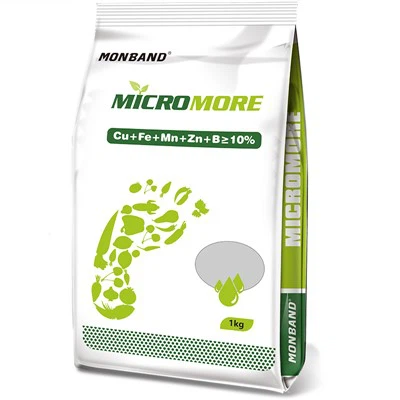
Powder Humic Acid Organic Fertilizer is another common form of fertilizer. It is more soluble than granular fertilizer and can be easily mixed with water. To store powder fertilizer, it should be kept in a dry and cool place, away from direct sunlight and heat sources. The fertilizer should be stored in a sealed container or bag to prevent moisture from entering.
If the powder fertilizer is stored in a bulk storage facility, it should be protected from rain and humidity. The storage facility should be well-ventilated to prevent the buildup of moisture. Additionally, it is important to ensure that the fertilizer is not exposed to air for an extended period of time, as this can cause it to clump and become difficult to handle.
Liquid Fertilizer
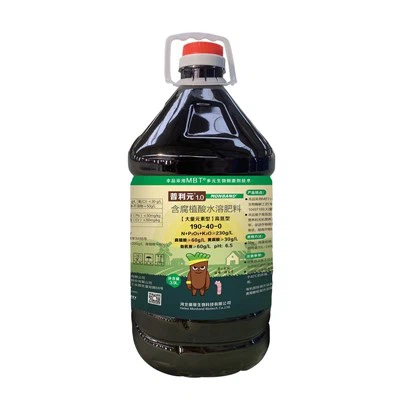
Liquid Humic Acid Organic Fertilizer is a convenient and easy-to-use form of fertilizer. It can be applied directly to the soil or mixed with water for foliar application. To store liquid fertilizer, it should be kept in a cool and dark place, away from direct sunlight and heat sources. The fertilizer should be stored in a sealed container to prevent evaporation and contamination.
If the liquid fertilizer is stored in a bulk storage facility, it should be protected from rain and humidity. The storage facility should be well-ventilated to prevent the buildup of moisture. Additionally, it is important to ensure that the fertilizer is not exposed to air for an extended period of time, as this can cause it to oxidize and lose its effectiveness.
Tips for Proper Storage
Labeling
It is important to label the storage containers or bags with the name of the fertilizer, the date of purchase, and the expiration date. This will help you keep track of the fertilizer and ensure that it is used before it expires.
Inventory Management
It is important to keep an inventory of the fertilizer to ensure that you have enough stock on hand. You should also monitor the inventory regularly to ensure that the fertilizer is not expired or damaged.
Cleaning and Maintenance
It is important to clean and maintain the storage containers or bags regularly to prevent the buildup of dirt and debris. This will help ensure that the fertilizer remains clean and free from contamination.
Safety Precautions
When handling and storing Humic Acid Organic Fertilizer, it is important to follow all safety precautions. This includes wearing protective clothing, gloves, and eyewear. Additionally, it is important to keep the fertilizer out of reach of children and pets.
Conclusion
Proper storage is essential to maintain the quality and efficacy of Humic Acid Organic Fertilizer. By following the storage requirements and tips outlined in this blog post, you can ensure that your fertilizer remains in good condition and provides the maximum benefits to your soil and plants.
If you are interested in purchasing high-quality Humic Acid Organic Fertilizer, such as Bio Humic Fertilizer, Humic Liquid Fertilizer, or Liquid Humic Acid Organic Fertilizer, please feel free to contact us for more information and to discuss your specific needs. We are committed to providing our customers with the best products and services in the industry.


References
- Brady, N. C., & Weil, R. R. (2008). The nature and properties of soils. Pearson Prentice Hall.
- Stevenson, F. J. (1994). Humus chemistry: genesis, composition, reactions. John Wiley & Sons.
- Tan, K. H. (2014). Humic substances in soil and environment: principles and applications. CRC Press.