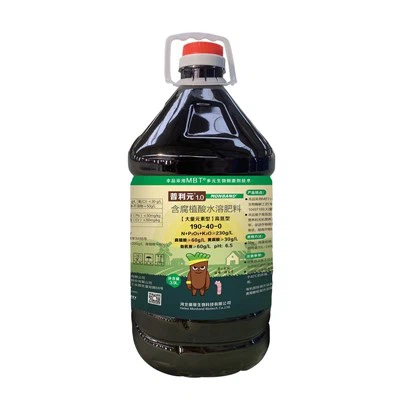
Hey there! As a supplier of Humic Acid Organic Fertilizer, I've seen firsthand the amazing benefits this product can bring to your soil and plants. But like any good thing, there are some precautions you need to take when using it. In this blog, I'll share some important tips to help you get the most out of your Humic Acid Organic Fertilizer.
1. Storage Precautions
First off, let's talk about storage. You know, Humic Acid Organic Fertilizer is a bit like a delicate friend; it needs the right environment to stay in good shape. Store it in a cool, dry place. Avoid areas that are prone to high humidity or direct sunlight. If the fertilizer gets too wet, it can clump up, and that'll make it a pain to use. And if it's exposed to too much sunlight, the active ingredients in the fertilizer might break down, reducing its effectiveness.
I once had a customer who stored their fertilizer in a shed that was really damp. When they went to use it a few months later, it was all clumped together, and they had to spend ages trying to break it up. So, do yourself a favor and find a proper storage spot.
2. Compatibility with Other Fertilizers and Chemicals
Another thing to keep in mind is compatibility. You can't just mix Humic Acid Organic Fertilizer with any old thing. Some fertilizers and chemicals can react with it in a bad way. For example, if you mix it with fertilizers that have a high concentration of certain metals, it could cause a chemical reaction that reduces the effectiveness of both products.
Before you mix it with anything else, it's a good idea to do a small test. Take a little bit of the Humic Acid Organic Fertilizer and mix it with the other product in a small container. Observe it for a while to see if there are any signs of a reaction, like changes in color, texture, or the release of gas. If everything looks okay, then you can go ahead and mix larger quantities.
3. Application Rates
Getting the application rates right is crucial. You don't want to overdo it or underdo it. Applying too much Humic Acid Organic Fertilizer can actually harm your plants. It can cause an imbalance in the soil's nutrients, which might lead to problems like excessive growth, poor fruit quality, or even plant death in extreme cases.
On the other hand, if you apply too little, you won't get the full benefits of the fertilizer. The best way to determine the right application rate is to test your soil first. You can get a soil testing kit from a garden center or send a soil sample to a professional lab. Based on the test results, you can figure out how much fertilizer your soil needs.
For most garden plants, a general rule of thumb is to apply about 1 - 2 pounds of Humic Acid Organic Fertilizer per 100 square feet of soil. But again, this can vary depending on the type of soil, the type of plants you're growing, and other factors.
4. Application Timing
Timing is everything when it comes to applying Humic Acid Organic Fertilizer. You want to apply it at the right time to give your plants the best chance of benefiting from it. In general, it's a good idea to apply it during the planting season or just before the growing season starts. This way, the fertilizer has time to break down and release its nutrients into the soil, which your plants can then absorb as they start to grow.
For example, if you're planting vegetables in the spring, apply the fertilizer a few weeks before you plant. This will give the soil a chance to absorb the nutrients and create a healthy environment for your plants.
5. Safety Precautions
Safety first! When handling Humic Acid Organic Fertilizer, you need to take some safety precautions. Wear gloves and a mask to avoid direct contact with the fertilizer. Some people might be allergic to the ingredients in the fertilizer, and inhaling the dust can cause respiratory problems.
After you're done handling the fertilizer, make sure to wash your hands thoroughly. And keep it out of reach of children and pets. You don't want them accidentally ingesting it.
6. Quality and Source
Not all Humic Acid Organic Fertilizers are created equal. It's important to choose a high - quality product from a reliable source. A good quality fertilizer will have the right balance of nutrients and active ingredients. You can look for reviews from other customers or ask for recommendations from fellow gardeners.
As a supplier, I take pride in the quality of our Humic Acid Organic Fertilizer. We use only the best raw materials and follow strict manufacturing processes to ensure that our fertilizer is effective and safe to use.
7. Different Forms of Humic Acid Fertilizers
There are different forms of humic acid fertilizers, like Humic Acid Liquid Fertilizer and Bio Humic Fertilizer. Each form has its own application methods and precautions.
Liquid fertilizers are usually easier to apply and are quickly absorbed by plants. But they can dry out quickly, so you need to make sure to water the plants after application. Bio humic fertilizers, on the other hand, contain beneficial microorganisms. You need to store them in a way that keeps these microorganisms alive, usually at a moderate temperature.
8. Monitoring and Evaluation
Once you've applied the Humic Acid Organic Fertilizer, it's important to monitor your plants and soil. Keep an eye on how your plants are growing. Are they looking healthier? Are they producing more fruits or flowers? Also, you can test the soil again after a few weeks or months to see if there have been any changes in the nutrient levels.


If you notice any problems, like yellowing leaves or stunted growth, it could be a sign that something is wrong. Maybe you applied too much or too little fertilizer, or there could be a compatibility issue. By monitoring and evaluating, you can make adjustments and ensure that your plants are getting the best care.
In conclusion, using Humic Acid Organic Fertilizer can be a great way to improve the health of your soil and plants. But you need to take these precautions seriously. If you have any questions or need more information, don't hesitate to reach out. We're here to help you make the most of our products. Whether you're a professional farmer or a home gardener, we've got the right fertilizer for you. If you're interested in purchasing our Humic Acid Organic Fertilizer, feel free to start a conversation with us to discuss your specific needs.
References
- "The Science of Humic Acid in Agriculture" - A research paper on the benefits and proper use of humic acid fertilizers.
- "Best Practices for Fertilizer Application" - A guidebook published by a leading agricultural institute.