Hey there! As a supplier of Water Soluble Zinc Fertilizer, I've seen firsthand the amazing benefits it can bring to plants. But like anything in life, there's a fine line between a good thing and too much of it. Today, I want to chat about the potential risks of over - applying water soluble zinc fertilizer.
1. Impact on Soil Health
First off, let's talk about the soil. Soil is like a living, breathing ecosystem. It has a delicate balance of nutrients, microorganisms, and chemical properties. When you over - apply water soluble zinc fertilizer, it can throw this balance out of whack.
Zinc is an essential micronutrient for plants, but when there's an excessive amount in the soil, it can change the soil's pH. High levels of zinc can make the soil more acidic. This acidic environment can be harmful to many beneficial soil organisms. For example, earthworms, which are super important for soil aeration and nutrient cycling, don't like acidic conditions. They may leave the area or even die off.
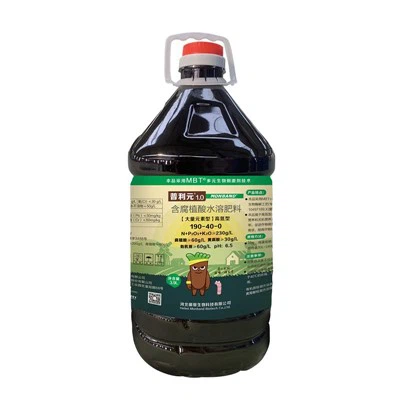
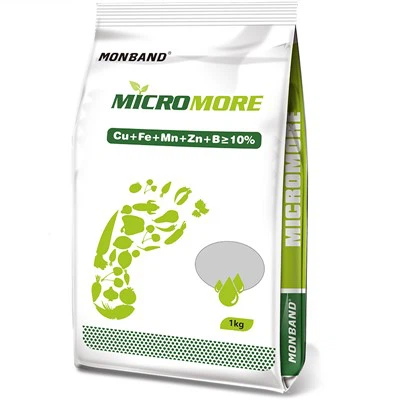
Moreover, an overabundance of zinc can interfere with the availability of other nutrients in the soil. It can compete with elements like iron, manganese, and copper for uptake by plants. This means that even if there's enough of these other nutrients in the soil, plants might not be able to absorb them properly because of the high zinc levels. Check out Water Soluble Micronutrients For Plants to learn more about how different micronutrients interact in the soil.
2. Plant Toxicity
Now, let's move on to the plants themselves. While zinc is necessary for plant growth, too much of it can be toxic. When plants absorb excessive zinc, it can disrupt their normal physiological processes.
One of the first signs of zinc toxicity in plants is chlorosis, which is the yellowing of leaves. This happens because the high zinc levels interfere with the plant's ability to produce chlorophyll, the green pigment that's crucial for photosynthesis. Without enough chlorophyll, plants can't make food effectively, and their growth will slow down.
In severe cases, zinc toxicity can lead to stunted growth, reduced flowering, and lower fruit or seed production. The plant may also become more susceptible to diseases and pests because its immune system is weakened. If you're interested in learning more about water soluble fertilizers and their effects on plants, Water Soluble Micronutrient Fertilizer is a great resource.
3. Environmental Pollution
Over - applying water soluble zinc fertilizer can also have a negative impact on the environment. When it rains or when you irrigate the fields, the excess zinc can leach into the groundwater. This contaminated groundwater can then end up in rivers, lakes, and other water bodies.
In aquatic ecosystems, high levels of zinc can be toxic to fish, amphibians, and other aquatic organisms. It can disrupt their respiratory systems, interfere with their reproduction, and even cause death. Additionally, the presence of excessive zinc in water can also affect the water quality, making it unsuitable for human use.


Another environmental concern is the potential for zinc to accumulate in the soil over time. This can lead to long - term soil degradation, making it less fertile and less suitable for agriculture. Micronutrients Water Soluble Fertilizers provides more information on how to use these fertilizers in an environmentally friendly way.
4. Economic Losses
From an economic perspective, over - applying water soluble zinc fertilizer can be a real bummer. First of all, you're wasting money on fertilizer that isn't being used effectively by the plants. You're spending more than you need to, and that cuts into your profit margins.
Secondly, the reduced plant growth and lower yields caused by zinc toxicity mean less income from your crops. You might have spent a lot of money on fertilizer, but in the end, you're getting less produce to sell. And if the quality of your crops is affected, you may have to sell them at a lower price.
How to Avoid Over - Application
So, how can you avoid these risks? Well, the key is to test your soil regularly. A soil test will tell you how much zinc and other nutrients are already in the soil. Based on the test results, you can determine the right amount of water soluble zinc fertilizer to apply.
It's also important to follow the application instructions on the fertilizer package. Don't just assume that more is better. And if you're unsure, you can always consult with an agricultural expert. They can give you personalized advice based on your specific soil type, crop type, and growing conditions.
Conclusion
In conclusion, while water soluble zinc fertilizer is a great tool for improving plant growth, over - applying it can lead to a whole host of problems. From soil health issues to plant toxicity, environmental pollution, and economic losses, the risks are real. But by being aware of these risks and taking the right precautions, you can use water soluble zinc fertilizer effectively and safely.
If you're interested in purchasing high - quality water soluble zinc fertilizer or have any questions about its use, feel free to reach out. We're here to help you make the most of your crops while minimizing the risks. Let's work together to achieve a healthy and productive harvest!
References
- Brady, N. C., & Weil, R. R. (2002). The nature and properties of soils. Prentice Hall.
- Marschner, H. (2012). Mineral nutrition of higher plants. Academic Press.