Hey there! As a supplier of micronutrient fertilizers, I've seen a lot of questions about the differences between chelated and non - chelated micronutrient fertilizers. So, I thought I'd break it down for you in this blog post.
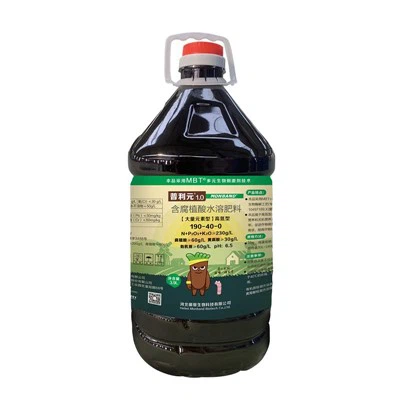
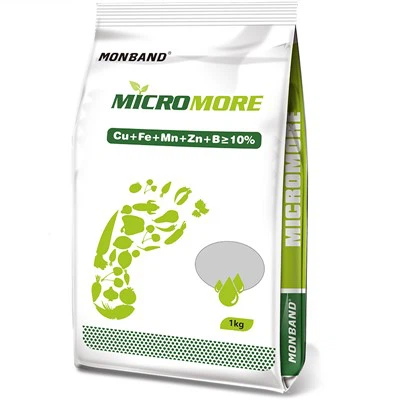
First off, let's talk about what micronutrient fertilizers are. These are fertilizers that provide essential elements to plants in small quantities. Elements like iron, zinc, manganese, copper, boron, molybdenum, and chlorine are crucial for plant growth, but plants only need them in tiny amounts. That's why they're called micronutrients. And as a supplier, I offer a wide range of these fertilizers to meet the diverse needs of farmers and gardeners. You can check out Water Soluble Iron For Plants, Micronutrients Water Soluble Fertilizers, and Water Soluble Micronutrient Fertilizer on my website.
Now, let's get into the main topic: chelated vs. non - chelated micronutrient fertilizers.
What are Chelated Micronutrient Fertilizers?
Chelated micronutrient fertilizers are a special type of fertilizer where the micronutrient is bound to a chelating agent. A chelating agent is like a little protective wrapper around the micronutrient. This wrapper helps the micronutrient stay in a form that the plant can easily absorb.
For example, iron is an important micronutrient for plants. But in the soil, iron can react with other substances and form compounds that plants can't take up. When iron is chelated, it's protected from these reactions. The chelating agent keeps the iron in a soluble and available form for the plant roots to absorb.
One of the big advantages of chelated fertilizers is their stability in the soil. They can maintain their effectiveness over a wider range of soil pH levels. In alkaline soils, many non - chelated micronutrients can become unavailable to plants. But chelated fertilizers can still deliver the nutrients even in these tough conditions.
Another benefit is the improved uptake by plants. Since the micronutrients are protected and in an easily absorbable form, plants can take them up more efficiently. This often leads to better plant growth, healthier leaves, and increased yields.


However, chelated fertilizers do come with a downside. They're usually more expensive to produce. The process of chelating the micronutrients requires additional chemicals and steps, which drives up the cost. And this cost is often passed on to the consumer.
What are Non - Chelated Micronutrient Fertilizers?
Non - chelated micronutrient fertilizers are the more traditional type. They contain the micronutrients in their simple ionic forms. For instance, zinc sulfate is a common non - chelated zinc fertilizer.
These fertilizers are generally cheaper to produce. The manufacturing process is straightforward, and there's no need for the complex chelating agents. This makes them an attractive option for farmers on a tight budget.
Non - chelated fertilizers can be effective in certain soil conditions. In acidic soils with a low pH, many of the micronutrients in their ionic forms are readily available to plants. So, in these environments, non - chelated fertilizers can work just as well as chelated ones.
But they have some limitations. Their availability to plants is highly dependent on soil pH. In alkaline soils, the micronutrients can react with other substances in the soil, such as calcium carbonate, and form insoluble compounds. Once these compounds are formed, plants can't absorb the nutrients, and the fertilizer becomes ineffective.
Also, the uptake of non - chelated micronutrients by plants can be slower and less efficient compared to chelated fertilizers. The simple ionic forms are more likely to be lost through leaching or fixation in the soil, which means less of the applied nutrients actually reach the plants.
Which One Should You Choose?
The choice between chelated and non - chelated micronutrient fertilizers depends on several factors.
Soil Conditions
If you have acidic soils with a pH below 7, non - chelated fertilizers might be a good choice. They're cost - effective and can provide the necessary nutrients in these conditions. But if your soil is alkaline (pH above 7), chelated fertilizers are probably the way to go. They'll ensure that the micronutrients are available to your plants even in the challenging soil environment.
Crop Type
Some crops are more sensitive to micronutrient deficiencies than others. High - value crops like fruits, vegetables, and ornamental plants often benefit from the improved uptake and stability of chelated fertilizers. These crops can justify the higher cost because of their market value. On the other hand, for some low - value crops like grains, non - chelated fertilizers might be sufficient, especially if the soil conditions are favorable.
Budget
Let's face it, money matters. If you're working with a limited budget, non - chelated fertilizers can be a practical option. You can still get some benefit from them, especially in the right soil conditions. But if you can afford the extra cost, chelated fertilizers can offer better long - term results and potentially higher yields.
Real - World Examples
I've had customers who've used both types of fertilizers in their fields. One farmer had an orchard in an area with alkaline soil. He initially used non - chelated iron fertilizer, but he noticed that his apple trees were showing signs of iron deficiency, like yellowing leaves. When he switched to a chelated iron fertilizer, the trees started to recover. The leaves turned green again, and the fruit yield increased significantly.
Another customer was growing wheat on acidic soil. He chose non - chelated zinc fertilizer because it was cheaper. And it worked well for him. The wheat plants grew normally, and he was able to achieve a decent harvest without spending too much on fertilizers.
Conclusion
In conclusion, both chelated and non - chelated micronutrient fertilizers have their pros and cons. As a supplier, I understand that every customer has different needs. Whether you're a large - scale farmer or a home gardener, choosing the right type of fertilizer is crucial for the health and productivity of your plants.
If you're still not sure which type of micronutrient fertilizer is best for you, don't hesitate to reach out. I'm here to help you make an informed decision based on your specific soil conditions, crop type, and budget. Contact me to start a discussion about your fertilizer needs, and we can work together to find the perfect solution for your plants.
References
- Marschner, H. (1995). Mineral Nutrition of Higher Plants. Academic Press.
- Mengel, K., & Kirkby, E. A. (2001). Principles of Plant Nutrition. Kluwer Academic Publishers.