Hey there! I'm a supplier of humic fulvic acid fertilizer, and I often get asked if this type of fertilizer is suitable for all types of soil. Well, let's dive right into it and find out.
First off, let's talk a bit about what humic fulvic acid fertilizer is. It's a natural product that comes from decomposed organic matter. Humic and fulvic acids are the key components, and they bring a whole bunch of benefits to the soil and plants.
Benefits of Humic Fulvic Acid Fertilizer
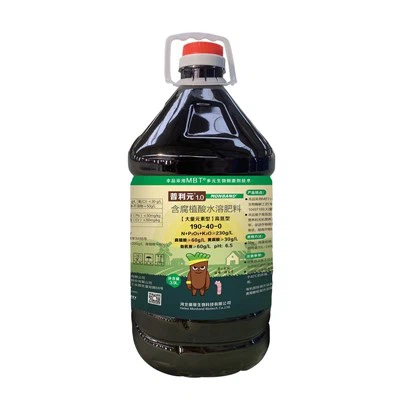
One of the main perks is that it improves soil structure. Whether you've got sandy soil or clay soil, humic fulvic acid can work wonders. In sandy soil, it helps to increase the soil's water - holding capacity. Sandy soil drains really fast, and water and nutrients can easily leach away. But when you add humic fulvic acid fertilizer, it acts like a sponge, holding onto water and nutrients so that plants can use them for a longer time. You can check out our Humic Acid Liquid Fertilizer which is great for this purpose.
On the other hand, in clay soil, humic fulvic acid helps to break up the compacted particles. Clay soil is known for being heavy and having poor drainage. The acids in the fertilizer create spaces between the clay particles, allowing air, water, and roots to penetrate more easily. This improves the overall aeration and drainage of the soil, which is crucial for plant growth. Our Humic Acid Organic Fertilizer is a great option for clay soil.
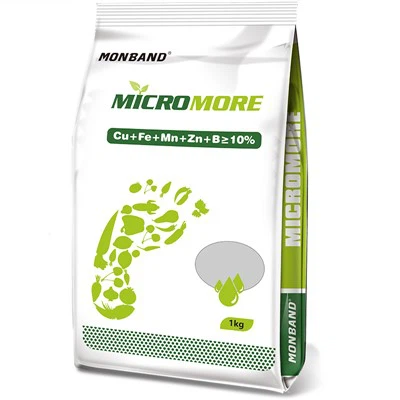
Another big benefit is its ability to enhance nutrient availability. Humic and fulvic acids can chelate or bind to essential nutrients like nitrogen, phosphorus, and potassium. This means that these nutrients are more easily absorbed by plants. They also help to make micronutrients, such as iron, zinc, and manganese, more accessible to plants. So, even if your soil is lacking in certain nutrients, humic fulvic acid fertilizer can help plants make the most of what's there.
Suitability for Different Soil Types
Sandy Soil
As I mentioned earlier, sandy soil has its challenges. It warms up quickly in the spring, which can be a plus for early - season planting. But it also loses water and nutrients rapidly. Humic fulvic acid fertilizer is a game - changer here. It not only retains water but also adds organic matter to the soil. This organic matter improves the soil's fertility over time. You can apply our Liquid Humic Acid Organic Fertilizer to sandy soil, and you'll notice that your plants will grow stronger and healthier. The fertilizer will also help to reduce the frequency of watering, which is a big plus for gardeners in arid regions.
Clay Soil
Clay soil can be a real pain to work with. It can become waterlogged easily, and plant roots can suffocate due to lack of oxygen. Humic fulvic acid fertilizer helps to break up the clay particles, creating a more crumbly and workable soil structure. This allows for better root growth and development. When you add this fertilizer to clay soil, you'll find that it's easier to till and plant. Over time, the soil will become more fertile as the organic matter in the fertilizer decomposes and releases nutrients.
Loamy Soil
Loamy soil is often considered the ideal soil type. It has a good balance of sand, silt, and clay, along with plenty of organic matter. But even loamy soil can benefit from humic fulvic acid fertilizer. It can further improve the soil's structure, making it even more friable and easy to work with. It also helps to maintain the soil's fertility by enhancing nutrient availability. So, if you're lucky enough to have loamy soil, using humic fulvic acid fertilizer can take your gardening to the next level.
Acidic Soil
Some soils are naturally acidic. While some plants, like blueberries and azaleas, thrive in acidic soil, most other plants prefer a more neutral pH. Humic fulvic acid fertilizer can act as a buffer, helping to adjust the soil's pH towards a more neutral range. It can also help to make nutrients more available in acidic soil, where certain nutrients like phosphorus and calcium can become less soluble.
Alkaline Soil
Alkaline soil, on the other hand, has a high pH. This can cause some nutrients to become less available to plants. Humic fulvic acid fertilizer can help to lower the soil's pH slightly and make nutrients more accessible. It also improves the soil's structure, which is often poor in alkaline soils due to the presence of salts.
Are There Any Limitations?
While humic fulvic acid fertilizer is great for most soil types, there are a few things to keep in mind. In some cases, if the soil is already extremely rich in organic matter, adding too much humic fulvic acid fertilizer might not have a significant additional benefit. Also, the effectiveness of the fertilizer can depend on the quality of the product. You need to make sure you're using a high - quality humic fulvic acid fertilizer.
Another thing is that the application rate might vary depending on the soil type. For example, in sandy soil, you might need to apply the fertilizer more frequently because it doesn't hold onto the organic matter as well as clay or loamy soil.


Conclusion
In general, humic fulvic acid fertilizer is suitable for a wide range of soil types. It can improve soil structure, enhance nutrient availability, and promote healthy plant growth. Whether you've got sandy, clay, loamy, acidic, or alkaline soil, there's a good chance that this fertilizer can make a positive difference.
If you're interested in learning more about our humic fulvic acid fertilizers or want to discuss your specific soil needs, feel free to reach out. We're here to help you make the most of your soil and grow amazing plants.
References
- Brady, N. C., & Weil, R. R. (2008). The Nature and Properties of Soils. Pearson Prentice Hall.
- Stevenson, F. J. (1994). Humus Chemistry: Genesis, Composition, Reactions. Wiley - Interscience.