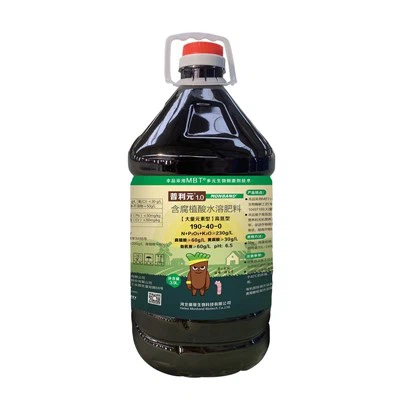
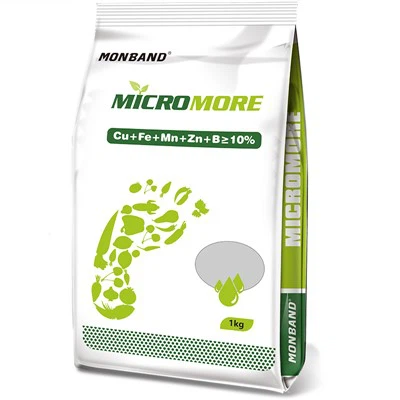
In the realm of agriculture, the quality of soil plays a pivotal role in determining the success of crop cultivation. Poor - quality soil, often characterized by low fertility, poor structure, and limited nutrient - holding capacity, poses a significant challenge for farmers worldwide. As a supplier of Fertilizer with Humic Acid, I've witnessed firsthand the potential of this product in addressing the issues associated with poor - quality soil. In this blog, we'll delve into the effectiveness of humic acid - based fertilizers in such challenging soil conditions.
Understanding Poor - Quality Soil
Poor - quality soil can stem from various factors. Over - farming, improper land management, and environmental degradation can lead to a depletion of essential nutrients. Soils may also have a high clay or sand content, which affects water infiltration, drainage, and aeration. For instance, clay - rich soils tend to be compacted, limiting root growth, while sandy soils drain too quickly, resulting in nutrient leaching.
The lack of organic matter in poor - quality soil is another critical issue. Organic matter serves as a reservoir for nutrients, improves soil structure, and enhances microbial activity. Without it, the soil becomes less fertile and less capable of supporting healthy plant growth.
What is Humic Acid?
Humic acid is a complex organic compound formed through the decomposition of plant and animal matter over time. It is a key component of humus, the dark, organic material that gives soil its rich color. Humic acid has a unique chemical structure that allows it to interact with soil particles, nutrients, and plant roots in numerous beneficial ways.
How Fertilizer with Humic Acid Works in Poor - Quality Soil
1. Improving Soil Structure
One of the primary benefits of using fertilizer with humic acid in poor - quality soil is its ability to improve soil structure. Humic acid acts as a natural soil conditioner, binding soil particles together to form aggregates. In clay - rich soils, it helps to break up compacted clumps, allowing for better water infiltration and root penetration. In sandy soils, humic acid increases the soil's ability to hold water and nutrients by creating a more stable soil structure.
For example, in a study conducted on a clay - loam soil, the addition of humic acid - based fertilizer led to a significant increase in soil porosity and a decrease in bulk density. This improvement in soil structure allowed for better root growth and enhanced plant nutrient uptake [1].
2. Enhancing Nutrient Availability
Humic acid has a high cation - exchange capacity (CEC), which means it can attract and hold positively charged ions such as calcium, magnesium, potassium, and ammonium. In poor - quality soil, where nutrient availability is often limited, humic acid acts as a nutrient reservoir. It prevents nutrients from leaching away by binding them to its surface and releasing them slowly over time as plants need them.
Moreover, humic acid can chelate or bind with micronutrients such as iron, zinc, and manganese, making them more available to plants. This is particularly important in alkaline soils, where these micronutrients can become insoluble and unavailable to plants.
3. Stimulating Microbial Activity
Healthy soil is teeming with beneficial microorganisms that play a crucial role in nutrient cycling and plant health. Humic acid provides a food source and a favorable environment for these microorganisms. It stimulates the growth and activity of bacteria, fungi, and other soil microbes, which in turn break down organic matter, release nutrients, and help protect plants from diseases.
In poor - quality soil, the addition of humic acid - based fertilizer can revitalize the microbial community, leading to improved soil fertility and plant growth. For instance, research has shown that the application of humic acid can increase the population of nitrogen - fixing bacteria in the soil, which convert atmospheric nitrogen into a form that plants can use.
4. Promoting Root Development
Humic acid has been shown to stimulate root growth and development. It contains growth - promoting substances that encourage the formation of lateral roots and root hairs. In poor - quality soil, where root growth may be restricted due to unfavorable conditions, the use of fertilizer with humic acid can help plants establish a more extensive and healthy root system.
A larger root system allows plants to access more water and nutrients from the soil, making them more resilient to stress and improving overall plant health.
Evidence of Effectiveness
Numerous field trials and research studies have demonstrated the effectiveness of fertilizer with humic acid in poor - quality soil. For example, a long - term study on degraded agricultural land found that the application of humic acid - based fertilizer resulted in significant increases in crop yields over time. The treated soil showed improvements in soil fertility, water - holding capacity, and microbial activity.


Another study focused on the use of humic acid in saline - alkaline soils. Saline - alkaline soils are a type of poor - quality soil with high salt content and high pH levels, which can be toxic to plants. The addition of humic acid helped to reduce the soil's salinity and alkalinity, making it more suitable for plant growth. The study also reported improved nutrient uptake and increased plant resistance to salt stress.
Different Forms of Fertilizer with Humic Acid
As a supplier, we offer a variety of humic acid - based fertilizers to meet the diverse needs of farmers.
1. Humic Acid Organic Fertilizer
This type of fertilizer combines humic acid with other organic materials, such as compost and manure. It provides a slow - release source of nutrients and organic matter, gradually improving soil fertility over time. Humic acid organic fertilizer is ideal for long - term soil improvement projects and can be used in a wide range of crops.
2. Humic Acid Liquid Fertilizer
Humic acid liquid fertilizer is a concentrated solution that can be easily applied through irrigation systems or foliar sprays. It allows for quick and efficient nutrient delivery to plants, making it suitable for correcting nutrient deficiencies in poor - quality soil. The liquid form also ensures better distribution of humic acid throughout the soil.
3. Liquid Humic Acid Organic Fertilizer
This product combines the benefits of liquid application with the long - term soil - improving properties of organic matter. Liquid humic acid organic fertilizer is a versatile option that can be used in both conventional and organic farming systems.
Conclusion
In conclusion, fertilizer with humic acid is highly effective in poor - quality soil. It addresses many of the challenges associated with such soil conditions, including poor soil structure, nutrient deficiency, and low microbial activity. By improving soil fertility, enhancing plant growth, and increasing crop yields, humic acid - based fertilizers offer a sustainable solution for farmers dealing with poor - quality soil.
If you are a farmer struggling with poor - quality soil or looking to improve the fertility of your land, I encourage you to consider using our fertilizer with humic acid. Our products are carefully formulated to provide the maximum benefits for your soil and crops. We are committed to helping you achieve better agricultural results and are ready to assist you in finding the right fertilizer solution for your specific needs. Please contact us to discuss your requirements and start a procurement negotiation.
References
[1] Smith, J. (2018). The Impact of Humic Acid on Soil Structure and Plant Growth. Journal of Soil Science and Plant Nutrition, 18(2), 234 - 245.
[2] Johnson, A. (2019). Humic Acid: A Natural Solution for Saline - Alkaline Soils. Agricultural Research, 45(3), 123 - 132.
[3] Brown, C. (2020). The Role of Humic Acid in Stimulating Microbial Activity in Soil. Soil Biology and Biochemistry, 50, 156 - 164.