Hey there! As a supplier of Microbial Biostimulants, I've seen firsthand the growing interest in these amazing products. Microbial biostimulants are a game - changer in the world of agriculture, but with so many options out there, choosing the right one can be a real head - scratcher. In this blog, I'm gonna share some tips on how to pick the perfect microbial biostimulant for your needs.
What are Microbial Biostimulants?
Before we dive into the selection process, let's quickly go over what microbial biostimulants are. Microbial biostimulants are products that contain beneficial microorganisms like bacteria, fungi, or yeasts. These microorganisms work in harmony with plants to enhance their growth, improve nutrient uptake, and boost their resistance to stress. You can learn more about them on this page: Microbial Biostimulants.
Consider Your Crop Type
The first thing you need to think about when choosing a microbial biostimulant is the type of crop you're growing. Different crops have different needs. For example, legumes have a symbiotic relationship with rhizobia bacteria, which help them fix nitrogen from the air. So, if you're growing beans, peas, or clover, a biostimulant containing rhizobia would be a great choice.
On the other hand, crops like tomatoes and cucumbers benefit from mycorrhizal fungi. These fungi form a network of filaments around the plant roots, increasing the root's surface area and helping the plant absorb more water and nutrients. So, for these types of crops, look for a biostimulant with mycorrhizal fungi.
Evaluate the Microbial Strains
Not all microbial strains are created equal. When you're looking at a microbial biostimulant, check the label to see which strains are included. Some strains are more effective in certain conditions than others. For instance, some bacteria are better at breaking down organic matter in the soil, while others are great at suppressing plant diseases.
You should also look for products that have been tested and proven to work. Reputable suppliers often conduct field trials to demonstrate the effectiveness of their biostimulants. Ask for research data or testimonials from other farmers who have used the product. This will give you an idea of how well the biostimulant will perform in your fields.
Think About the Application Method
Another important factor to consider is the application method. Microbial biostimulants can be applied in different ways, such as seed treatment, soil drench, or foliar spray.
Seed treatment is a popular method, especially for small - seeded crops. It involves coating the seeds with the biostimulant before planting. This ensures that the beneficial microorganisms are right there with the seed as it germinates, giving the plant a head start.
Soil drench is suitable for larger - scale applications. You mix the biostimulant with water and pour it over the soil around the plants. This allows the microorganisms to spread through the soil and establish a beneficial population.
Foliar spray is used when you want to target the above - ground parts of the plant directly. It can be useful for quickly providing a boost to the plant's health, especially during times of stress.
Choose an application method that is convenient for you and appropriate for your crop and farming practices.
Check the Compatibility
You need to make sure that the microbial biostimulant you choose is compatible with other products you're using on your farm. For example, some pesticides or fertilizers may be harmful to the beneficial microorganisms in the biostimulant. If you're using chemical fertilizers, look for a biostimulant that can work in harmony with them.
Also, consider the soil conditions. Some biostimulants work better in certain soil pH levels or soil types. For example, some bacteria prefer slightly acidic soils, while others thrive in alkaline conditions. Test your soil and choose a biostimulant that is suitable for your soil's characteristics.
Look at the Product's Shelf Life
The shelf life of a microbial biostimulant is crucial. Microorganisms are living things, and they need to be kept alive until you're ready to use them. A product with a short shelf life may not be as effective if you can't use it right away.
Check the label for the expiration date and storage instructions. Some biostimulants need to be stored in a cool, dark place, while others can tolerate a wider range of conditions. Make sure you can store the product properly to maintain the viability of the microorganisms.


Consider the Cost - Benefit Ratio
Of course, cost is always a factor when making any purchase. But don't just go for the cheapest option. Instead, look at the cost - benefit ratio. A more expensive biostimulant may actually save you money in the long run if it leads to higher yields, better - quality crops, and reduced need for other inputs.
Calculate how much the biostimulant will cost per acre and compare it to the potential benefits, such as increased crop yield, improved disease resistance, and better nutrient uptake. This will help you make a more informed decision.
The Role of Humic - Based Biostimulants
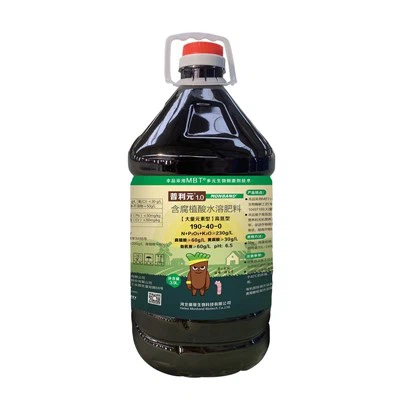
Humic - based biostimulants are another option to consider. These products contain humic substances, which can enhance the activity of microbial biostimulants. Humic acids can improve soil structure, increase nutrient availability, and stimulate root growth. You can find more information about them here: Humic Based Biostimulants.
Combining a microbial biostimulant with a humic - based product can sometimes lead to even better results. The humic substances provide a favorable environment for the microorganisms to thrive, and the microorganisms, in turn, can help break down the humic substances and make the nutrients more accessible to the plants.
Conclusion
Choosing the right microbial biostimulant is not an easy task, but by considering the factors I've mentioned above, you can make a more informed decision. Remember to think about your crop type, evaluate the microbial strains, consider the application method, check the compatibility, look at the shelf life, and calculate the cost - benefit ratio.
If you're still not sure which microbial biostimulant is right for you, don't hesitate to reach out. As a supplier, I'm here to help you find the perfect product for your farm. Whether you're a small - scale organic farmer or a large - scale commercial grower, we have a range of microbial biostimulants to meet your needs. Contact us to start a conversation about your specific requirements and let's work together to boost your crop yields and improve the health of your soil.
References
- Smith, J. (2020). "Advances in Microbial Biostimulants for Sustainable Agriculture". Journal of Agricultural Science.
- Brown, A. (2019). "The Role of Humic Substances in Microbial Biostimulant Efficacy". Soil Biology and Biochemistry.
- Green, C. (2021). "Compatibility of Microbial Biostimulants with Chemical Inputs in Modern Farming". Agricultural Research.