Hey there! As an NPK fertilizer supplier, I often get asked, "How much NPK fertilizer should I use?" It's a crucial question because using the right amount of NPK (nitrogen, phosphorus, and potassium) fertilizer can make a huge difference in the health and productivity of your plants. In this blog, I'll break down the factors you need to consider and give you some guidelines on how to figure out the right quantity for your specific situation.
Understanding NPK Fertilizers
First off, let's quickly go over what NPK fertilizers are. Nitrogen (N) is essential for leafy growth and overall plant vigor. Phosphorus (P) plays a key role in root development, flowering, and fruiting. Potassium (K) helps with plant stress tolerance, disease resistance, and the overall quality of fruits and vegetables.
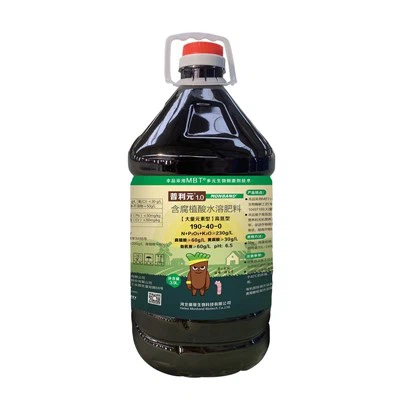
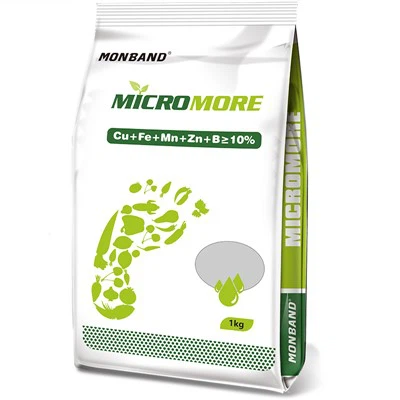
Our company offers a variety of NPK fertilizers to meet different needs. For instance, we have Macro Element Water-soluble Fertilizer, which is great for quick nutrient delivery to plants. It dissolves easily in water and can be applied through irrigation systems. There's also Organic Water Soluble Nitrogen Fertilizer, which is a more natural option for those who prefer organic gardening. And if you need a boost of nitrogen, our High Nitrogen Water Soluble Fertilizer is a top choice.
Factors Affecting Fertilizer Application Rates
Soil Type
The type of soil you have plays a big role in determining how much fertilizer to use. Sandy soils drain quickly and don't hold nutrients well, so they may require more frequent applications of smaller amounts of fertilizer. On the other hand, clay soils hold nutrients better but can be more prone to waterlogging. You might need to apply fertilizer less often but in larger quantities.
Plant Type
Different plants have different nutrient requirements. For example, leafy greens like lettuce and spinach need more nitrogen to promote lush foliage. Flowering plants such as roses and tomatoes need more phosphorus for abundant blooms and fruits. And root crops like carrots and potatoes benefit from extra potassium for strong root development.
Growth Stage
The growth stage of your plants also matters. Young seedlings and transplants need less fertilizer than mature plants. As plants grow, their nutrient needs increase. For example, during the vegetative stage, plants need more nitrogen, while during the flowering and fruiting stages, they need more phosphorus and potassium.
Climate
Climate conditions can affect how quickly plants take up nutrients. In hot and dry climates, plants may need more frequent watering and fertilizing to prevent nutrient deficiencies. In cool and wet climates, there's a risk of nutrient leaching, so you may need to adjust your fertilizer application rates accordingly.
Calculating Fertilizer Application Rates
Now that you understand the factors that affect fertilizer application rates, let's talk about how to calculate the right amount of NPK fertilizer for your plants.
Soil Testing
The first step is to get your soil tested. A soil test will tell you the nutrient levels in your soil and recommend the appropriate fertilizer application rates. You can send a soil sample to a professional laboratory or use a home soil testing kit.
Fertilizer Labels
Fertilizer labels provide important information about the nutrient content of the fertilizer and the recommended application rates. Look for the NPK ratio on the label, which indicates the percentage of nitrogen, phosphorus, and potassium in the fertilizer. For example, a fertilizer with an NPK ratio of 10-10-10 contains 10% nitrogen, 10% phosphorus, and 10% potassium.
Application Methods
There are several ways to apply NPK fertilizers, including broadcasting, banding, and foliar spraying. The application method you choose will also affect the amount of fertilizer you need to use.
- Broadcasting: This is the most common method of applying fertilizer. You simply spread the fertilizer evenly over the soil surface and then work it into the soil. The recommended application rate for broadcasting is usually based on the square footage of the area you're fertilizing.
- Banding: Banding involves placing the fertilizer in a narrow band near the plant roots. This method is more efficient because it delivers the fertilizer directly to the roots where it's needed most. The recommended application rate for banding is usually lower than for broadcasting.
- Foliar Spraying: Foliar spraying involves spraying the fertilizer solution directly on the leaves of the plants. This method is useful for providing a quick boost of nutrients to plants that are experiencing nutrient deficiencies. The recommended application rate for foliar spraying is usually much lower than for soil application.
General Guidelines for Fertilizer Application
Here are some general guidelines for applying NPK fertilizers based on the type of plants you're growing:
Vegetables
- Leafy greens: Apply 1-2 pounds of a balanced fertilizer (e.g., 10-10-10) per 100 square feet before planting. Side-dress with 1/2 pound of nitrogen fertilizer (e.g., 21-0-0) per 100 square feet every 3-4 weeks during the growing season.
- Tomatoes and peppers: Apply 2-3 pounds of a balanced fertilizer per 100 square feet before planting. Side-dress with 1 pound of a high-phosphorus fertilizer (e.g., 0-20-0) per 100 square feet when the plants start to flower.
- Root crops: Apply 1-2 pounds of a balanced fertilizer per 100 square feet before planting. Side-dress with 1/2 pound of potassium fertilizer (e.g., 0-0-60) per 100 square feet when the roots start to develop.
Flowers
- Annuals: Apply 1-2 pounds of a balanced fertilizer per 100 square feet before planting. Side-dress with 1/2 pound of nitrogen fertilizer per 100 square feet every 4-6 weeks during the growing season.
- Perennials: Apply 2-3 pounds of a balanced fertilizer per 100 square feet in the spring. Side-dress with 1 pound of a high-phosphorus fertilizer per 100 square feet when the plants start to flower.
- Roses: Apply 2-3 pounds of a balanced fertilizer per 100 square feet in the spring. Side-dress with 1 pound of a high-phosphorus fertilizer per 100 square feet when the roses start to bud.
Lawns
- Cool-season grasses: Apply 1-2 pounds of a balanced fertilizer per 1000 square feet in the spring and fall. Side-dress with 1/2 pound of nitrogen fertilizer per 1000 square feet in the summer.
- Warm-season grasses: Apply 2-3 pounds of a balanced fertilizer per 1000 square feet in the spring and summer. Side-dress with 1 pound of nitrogen fertilizer per 1000 square feet in the fall.
Conclusion
Figuring out how much NPK fertilizer to use can seem complicated, but it doesn't have to be. By considering the factors I've discussed, getting your soil tested, and following the recommended application rates on the fertilizer labels, you can ensure that your plants get the right amount of nutrients for healthy growth and productivity.


If you have any questions about NPK fertilizers or need help choosing the right fertilizer for your plants, don't hesitate to contact us. We're here to provide you with expert advice and high-quality fertilizers to meet your gardening needs. Whether you're a professional farmer or a home gardener, we've got the products and knowledge to help you succeed. Let's start a conversation and see how we can work together to make your plants thrive!
References
- Brady, N. C., & Weil, R. R. (2002). The nature and properties of soils. Prentice Hall.
- Hartz, T. K., & Bottoms, E. (2010). Fertilizer management for vegetable crops. University of California Division of Agriculture and Natural Resources.
- Oertli, J. J. (1994). Nutrient management for greenhouse crops. Ball Publishing.