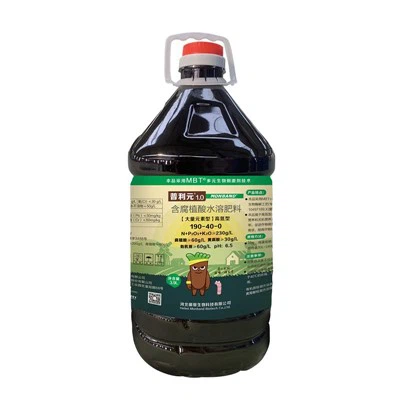
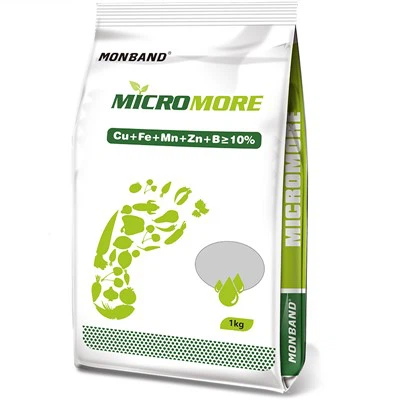
Zinc is an essential micronutrient for plant growth and development, playing a crucial role in various physiological processes. Water soluble zinc fertilizer has emerged as a popular choice among farmers and growers due to its high efficiency and ease of application. As a supplier of water soluble zinc fertilizer, I have witnessed firsthand the significant impact it can have on plant health, especially in root development. In this blog post, I will delve into how water soluble zinc fertilizer influences root development and why it is a valuable addition to any fertilization program.
The Role of Zinc in Plant Physiology
Before exploring the specific effects on root development, it's important to understand the broader role of zinc in plant physiology. Zinc is involved in enzyme activation, protein synthesis, and the regulation of gene expression. It is a component of over 300 enzymes, which are essential for processes such as photosynthesis, respiration, and hormone synthesis. Zinc also plays a key role in maintaining the integrity of cell membranes and protecting plants from oxidative stress.
Impact on Root Growth and Architecture
One of the most noticeable effects of water soluble zinc fertilizer on root development is the promotion of root growth. Zinc is necessary for cell division and elongation, which are fundamental processes in root development. By providing an adequate supply of zinc, plants can produce more root cells, leading to longer and more branched roots. This increased root surface area allows plants to absorb more water and nutrients from the soil, improving their overall health and productivity.
In addition to promoting root growth, water soluble zinc fertilizer can also influence root architecture. Zinc deficiency often leads to stunted and poorly developed roots, which can limit a plant's ability to access nutrients and water. By contrast, plants treated with water soluble zinc fertilizer tend to have a more extensive and well - structured root system. This includes the development of lateral roots, which are important for exploring a larger volume of soil and enhancing nutrient uptake.
Nutrient Uptake and Transport
Roots are the primary organs responsible for nutrient uptake in plants. Water soluble zinc fertilizer can enhance the efficiency of nutrient uptake by improving the function of root transporters. Zinc is involved in the synthesis of proteins that are responsible for transporting nutrients across cell membranes. For example, zinc is required for the proper functioning of iron transporters in roots. By ensuring an adequate supply of zinc, plants can more effectively take up iron and other essential nutrients from the soil.
Moreover, zinc plays a role in the translocation of nutrients within the plant. It helps in the movement of nutrients from the roots to the shoots, ensuring that all parts of the plant receive the necessary resources for growth and development. This is particularly important for crops, as it can improve yield and quality.
Hormonal Regulation
Zinc also has an impact on hormonal regulation in plants, which can indirectly affect root development. Plant hormones such as auxins play a crucial role in root growth and branching. Zinc is involved in the synthesis and signaling of auxins, which can stimulate root growth and the formation of lateral roots. By providing sufficient zinc, water soluble zinc fertilizer can help maintain the proper balance of hormones in plants, promoting healthy root development.
Stress Tolerance
Roots are often the first organs to be affected by environmental stresses such as drought, salinity, and heavy metal toxicity. Water soluble zinc fertilizer can enhance a plant's ability to tolerate these stresses by improving root development. A well - developed root system can better access water and nutrients during drought conditions, helping the plant to survive and maintain its growth.
Zinc also plays a role in protecting plants from oxidative stress caused by environmental factors. It is a component of antioxidant enzymes, which can scavenge free radicals and prevent damage to root cells. This can help plants maintain the integrity of their root system under stressful conditions.


Case Studies and Research Findings
Numerous studies have demonstrated the positive effects of water soluble zinc fertilizer on root development. For example, research on wheat has shown that the application of water soluble zinc fertilizer can significantly increase root length and dry weight. Similar results have been reported in other crops such as maize, rice, and soybeans.
In a field experiment, plots treated with water soluble zinc fertilizer had a higher root density and more extensive root branching compared to untreated plots. This led to improved nutrient uptake and higher yields. These findings highlight the practical benefits of using water soluble zinc fertilizer in agricultural production.
Our Water Soluble Zinc Fertilizer Offerings
As a supplier of water soluble zinc fertilizer, we offer high - quality products that are designed to meet the specific needs of different crops and growing conditions. Our fertilizers are formulated to ensure maximum solubility and availability of zinc, allowing for easy application through various methods such as foliar spraying, drip irrigation, and soil drenching.
In addition to our water soluble zinc fertilizer, we also provide a range of other micronutrient fertilizers, including Water Soluble Iron For Plants and Micronutrients Water Soluble Fertilizers. Our Water Soluble Micronutrient Fertilizer combines multiple essential micronutrients, providing a comprehensive solution for plant nutrition.
Conclusion
Water soluble zinc fertilizer plays a vital role in root development by promoting root growth, enhancing nutrient uptake, regulating hormones, and improving stress tolerance. By using our high - quality water soluble zinc fertilizer, farmers and growers can ensure that their plants have a healthy and well - developed root system, leading to improved yields and better - quality crops.
If you are interested in learning more about our water soluble zinc fertilizer or other micronutrient fertilizers, we encourage you to contact us for a detailed discussion. Our team of experts is ready to provide you with personalized advice and solutions to meet your specific agricultural needs. Let's work together to optimize your plant growth and achieve greater success in your farming operations.
References
Alloway, B. J. (2008). Zinc in Soils and Crop Nutrition. International Zinc Association.
Marschner, H. (2012). Mineral Nutrition of Higher Plants. Academic Press.
Rengel, Z., Marschner, P., & Zhang, W. (1996). Genotypic variation in zinc efficiency of wheat genotypes: physiological mechanisms. Plant and Soil, 180(1), 127 - 137.