In the realm of modern agriculture, the interaction between water soluble potash fertilizer and other soil nutrients is a topic of great significance. As a dedicated supplier of Water Soluble Potassium Fertilizer, I've witnessed firsthand how understanding these interactions can revolutionize crop production.
1. Understanding Water Soluble Potash Fertilizer
Water soluble potash fertilizer is a crucial component in agricultural practices. Potassium (K) is one of the three primary macronutrients that plants need in relatively large quantities, along with nitrogen (N) and phosphorus (P). Unlike some traditional fertilizers, water soluble potash fertilizers dissolve quickly in water, allowing for easy application through irrigation systems such as drip irrigation and sprinklers. This property not only enhances the efficiency of nutrient delivery but also reduces the risk of nutrient loss through leaching.
2. Interaction with Nitrogen
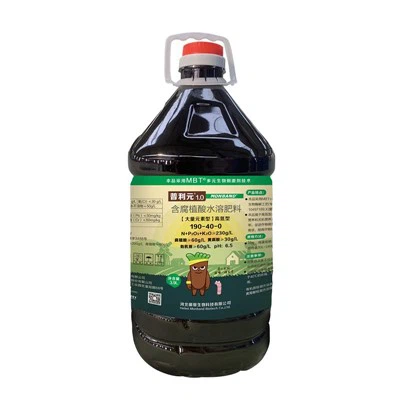
Nitrogen is essential for plant growth, as it is a major component of proteins, chlorophyll, and other vital compounds. When water soluble potash fertilizer is applied in conjunction with High Nitrogen Water Soluble Fertilizer, a synergistic effect can occur.
Potassium helps to regulate the uptake and utilization of nitrogen in plants. It plays a key role in the process of protein synthesis, ensuring that the nitrogen taken up by the plant is effectively incorporated into proteins. This leads to improved plant growth, stronger stems, and increased resistance to diseases and pests. For example, in cereal crops, a balanced supply of potassium and nitrogen can result in higher grain yields and better quality grains.


However, an imbalance between potassium and nitrogen can have negative consequences. Excessive nitrogen without sufficient potassium can lead to lush vegetative growth but weak root development and reduced disease resistance. On the other hand, a lack of nitrogen in the presence of adequate potassium may limit the plant's ability to fully utilize the potassium, resulting in sub - optimal growth.
3. Interaction with Phosphorus
Phosphorus is involved in many important plant processes, including energy transfer, root development, and flowering. The interaction between water soluble potash fertilizer and Water Soluble Fertilizer High in Phosphorus is complex but beneficial.
Potassium can enhance the uptake of phosphorus by plants. It helps to maintain the cell membrane permeability, which is crucial for the transport of phosphorus ions into the plant cells. In addition, potassium is involved in the activation of enzymes that are responsible for the conversion and utilization of phosphorus within the plant.
In soils with low phosphorus availability, the application of water soluble potash fertilizer can improve the efficiency of phosphorus use. For instance, in legume crops, a combination of potassium and phosphorus fertilizers can promote better nodulation and nitrogen fixation, leading to increased biomass production.
However, over - application of phosphorus in the presence of high potassium levels can sometimes lead to the precipitation of phosphorus in the soil, reducing its availability to plants. Therefore, it is important to maintain a proper balance between these two nutrients.
4. Interaction with Micronutrients
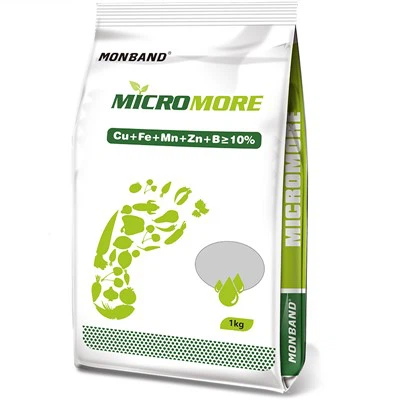
Water soluble potash fertilizer also interacts with various micronutrients such as calcium, magnesium, iron, zinc, and manganese.
4.1 Calcium
Potassium and calcium have an antagonistic relationship to some extent. High levels of potassium can reduce the uptake of calcium by plants, especially in soils with low calcium availability. This can lead to calcium - related disorders in plants, such as blossom - end rot in tomatoes. To mitigate this effect, it is necessary to ensure an adequate supply of calcium in the soil, either through liming or the use of calcium - containing fertilizers.
4.2 Magnesium
Similar to calcium, potassium can also interfere with the uptake of magnesium. However, a proper balance between potassium and magnesium is essential for many plant physiological processes, such as photosynthesis and enzyme activation. In some cases, the addition of magnesium - containing fertilizers may be required when using high - potassium fertilizers.
4.3 Iron, Zinc, and Manganese
Potassium can influence the availability and uptake of iron, zinc, and manganese in plants. It can affect the redox potential of the soil, which in turn affects the solubility and availability of these micronutrients. In general, a balanced supply of potassium and these micronutrients is necessary for optimal plant growth. For example, in fruit trees, a deficiency of zinc or iron can lead to reduced fruit quality, and the proper management of potassium levels can help to prevent such deficiencies.
5. Impact on Soil Properties
The application of water soluble potash fertilizer can also have an impact on soil properties. It can affect the soil pH, cation exchange capacity (CEC), and soil structure.
Potassium is a cation, and its addition to the soil can increase the CEC, which is important for the retention and exchange of nutrients. This can improve the soil's ability to hold and supply nutrients to plants over time. However, excessive potassium application can lead to a decrease in soil pH, especially in acidic soils. This can further affect the availability of other nutrients, such as phosphorus and micronutrients.
6. Practical Considerations for Farmers
Farmers need to carefully consider the interaction between water soluble potash fertilizer and other soil nutrients when formulating their fertilization strategies. Soil testing is an essential step to determine the existing nutrient levels in the soil and to identify any deficiencies or imbalances.
Based on the soil test results, farmers can calculate the appropriate ratios of potassium, nitrogen, phosphorus, and other nutrients to apply. They should also consider the type of crop, its growth stage, and the local soil and climatic conditions.
For example, during the vegetative growth stage of crops, a higher proportion of nitrogen may be required, while during the flowering and fruiting stages, more potassium and phosphorus may be needed.
7. Our Role as a Supplier
As a supplier of water soluble potash fertilizer, we are committed to providing high - quality products and comprehensive technical support to our customers. We understand the complexity of nutrient interactions in the soil and can help farmers develop customized fertilization programs.
Our team of experts can analyze soil samples, provide recommendations on the appropriate fertilizers and application rates, and offer on - site training and consultation services. We also ensure that our products are formulated to be highly soluble and easily absorbed by plants, maximizing the efficiency of nutrient utilization.
If you are a farmer or an agricultural professional looking to optimize your crop production through the proper use of water soluble potash fertilizer, we invite you to contact us for further discussion and procurement. Understanding the intricate interactions between water soluble potash fertilizer and other soil nutrients is the key to achieving sustainable and high - yielding agriculture. Let's work together to unlock the full potential of your fields.
References
Alloway, B. J. (2008). Potassium in agriculture. Blackwell Publishing.
Marschner, H. (2012). Mineral nutrition of higher plants. Academic Press.
Mengel, K., & Kirkby, E. A. (2001). Principles of plant nutrition. Kluwer Academic Publishers.