Hey there, fellow tomato growers! I'm a supplier of tomato water soluble fertilizer, and I've been getting a lot of questions lately about how our product stacks up against chicken manure when it comes to growing tomatoes. So, I thought I'd dive into the topic and share some insights based on my experience and the latest scientific research.
Nutrient Content
Let's start by looking at the nutrient content of both tomato water soluble fertilizer and chicken manure. Chicken manure is a well - known organic fertilizer that's rich in nitrogen (N), phosphorus (P), and potassium (K), which are the three primary nutrients that plants need. It also contains other micronutrients like calcium, magnesium, and sulfur. However, the nutrient ratios in chicken manure can vary widely depending on factors such as the diet of the chickens and how the manure is stored.
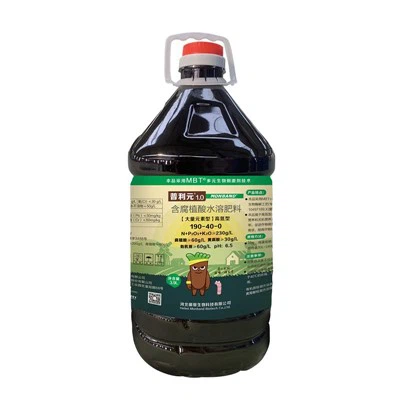
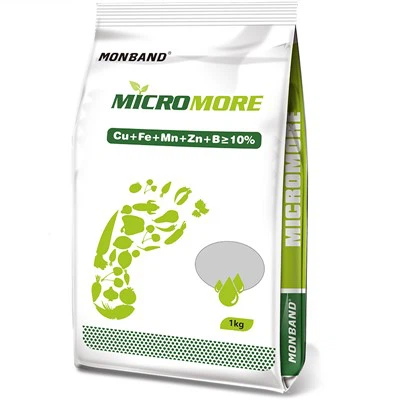
On the other hand, tomato water soluble fertilizers are formulated to provide a precise balance of nutrients. For example, All Purpose Water Soluble Fertilizer can be tailored to meet the specific needs of tomato plants at different growth stages. These fertilizers usually come with a clear label indicating the exact N - P - K ratio, as well as the presence of other essential micronutrients. This means you can have better control over the nutrient supply to your tomato plants, ensuring they get exactly what they need when they need it.
Nutrient Availability
One of the key differences between tomato water soluble fertilizer and chicken manure is the way nutrients are made available to the plants. Chicken manure is an organic fertilizer, which means the nutrients need to be broken down by soil microorganisms before they can be absorbed by the plants. This process can take some time, and the release of nutrients is often slow and steady. While this slow - release can be beneficial in the long run, it might not be ideal when your tomato plants are in a rapid growth phase and need a quick boost of nutrients.
Tomato water soluble fertilizers, as the name suggests, dissolve easily in water. Once dissolved, the nutrients are immediately available for the plants to take up through their roots. This makes them a great option for providing a fast - acting nutrient solution, especially during critical growth stages like flowering and fruiting. For instance, Balanced Water Soluble Fertilizer can be quickly absorbed by tomato plants, helping to promote healthy growth and high - quality fruit production.
Soil Health
Chicken manure has some great benefits for soil health. It adds organic matter to the soil, which improves soil structure, water - holding capacity, and aeration. The organic matter also serves as a food source for soil microorganisms, which play a crucial role in maintaining a healthy soil ecosystem. Over time, using chicken manure can lead to a more fertile and productive soil environment for your tomato plants.
However, there are also some potential drawbacks to using chicken manure. If not properly composted, chicken manure can contain pathogens like E. coli and Salmonella, which can be harmful to both plants and humans. It can also have a high salt content, which, if over - applied, can damage the roots of tomato plants and lead to soil salinization.
Tomato water soluble fertilizers, especially Organic Soluble Fertilizer, can also contribute to soil health. They don't introduce the risk of pathogens associated with raw chicken manure. Additionally, since you can control the amount of fertilizer applied, you can avoid over - fertilization and the associated problems like soil salinization. Some water soluble fertilizers also contain organic components that can enhance soil microbial activity, similar to the effects of chicken manure but without the potential risks.


Ease of Application
Applying chicken manure can be a bit of a hassle. It needs to be spread evenly over the soil surface and then incorporated into the soil, which can be time - consuming and labor - intensive. You also need to be careful about the application rate to avoid over - fertilization. And let's not forget about the smell! Chicken manure can have a strong odor, which might not be very pleasant, especially if you're growing tomatoes in a residential area.
In contrast, applying tomato water soluble fertilizers is a breeze. You simply dissolve the fertilizer in water according to the instructions on the package and then apply it to the soil around the base of the tomato plants using a watering can or a drip irrigation system. This method is not only more convenient but also allows for more precise application, ensuring that each plant gets the right amount of nutrients.
Cost - Effectiveness
When it comes to cost, chicken manure can seem like a more affordable option, especially if you have access to a local source. However, you need to consider the long - term costs. As mentioned earlier, chicken manure needs to be properly composted to avoid potential problems, and this process can take time and resources. You also need to account for the extra labor involved in application.
Tomato water soluble fertilizers may have a higher upfront cost, but they can be more cost - effective in the long run. Since you can control the nutrient supply more precisely, you can avoid over - fertilization, which means you're not wasting money on excess fertilizer. Additionally, the fast - acting nature of water soluble fertilizers can lead to higher yields and better - quality tomatoes, which can translate into more profit for your tomato growing operation.
Environmental Impact
Chicken manure, if not managed properly, can have a negative impact on the environment. The high nitrogen content in chicken manure can lead to nitrogen runoff, which can contaminate water sources and cause eutrophication. The pathogens in raw chicken manure can also pose a risk to water quality and public health.
Tomato water soluble fertilizers, on the other hand, can be applied more precisely, reducing the risk of nutrient runoff. When used correctly, they can be a more environmentally friendly option, especially if you choose Organic Soluble Fertilizer, which is made from natural and sustainable sources.
Conclusion
So, how does tomato water soluble fertilizer compare to chicken manure for tomatoes? Well, both have their pros and cons. Chicken manure is a great option for improving soil health in the long term and providing a slow - release of nutrients. However, it can be difficult to manage, has potential pathogen risks, and may not be suitable for providing a quick nutrient boost.
Tomato water soluble fertilizers offer more control over nutrient supply, are easy to apply, and provide fast - acting nutrients. They can also be more cost - effective and environmentally friendly when used correctly. As a supplier of tomato water soluble fertilizer, I believe these products can be a game - changer for tomato growers looking to maximize their yields and produce high - quality tomatoes.
If you're interested in learning more about our tomato water soluble fertilizers or want to discuss your specific tomato growing needs, I'd love to hear from you. Let's start a conversation about how we can work together to take your tomato growing operation to the next level.
References
- Brady, N. C., & Weil, R. R. (2008). The Nature and Properties of Soils. Pearson Prentice Hall.
- Marschner, P. (2012). Mineral Nutrition of Higher Plants. Academic Press.
- Hartz, T. K., & Bottoms, E. A. (2010). Fertilizer Management for Fresh Market Tomatoes in California. University of California Agriculture and Natural Resources.