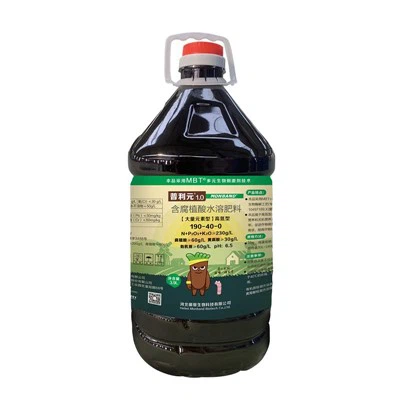
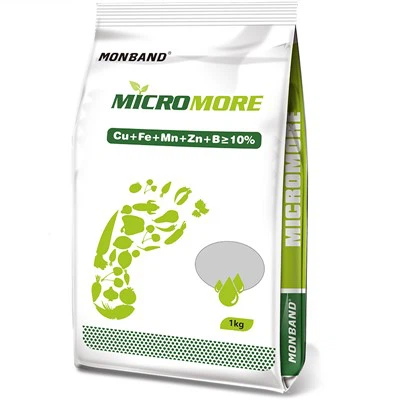
As a dedicated supplier of Organic Soluble Fertilizer, I've witnessed firsthand the profound impact our products can have on various crops, especially tea. Tea is not just a beverage; it's an art form, a cultural symbol, and a sensory experience. The taste and aroma of tea leaves are what make each cup unique, and these qualities are significantly influenced by the fertilizers used in tea cultivation. In this blog, I'll delve into how organic soluble fertilizers can transform the taste and aroma of tea leaves.
The Basics of Organic Soluble Fertilizers
Organic soluble fertilizers are derived from natural sources such as plant materials, animal manure, and minerals. They are designed to dissolve easily in water, making them readily available for plants to absorb. Unlike synthetic fertilizers, organic soluble fertilizers release nutrients slowly, providing a steady supply of essential elements over time. This slow-release mechanism is crucial for the healthy growth of tea plants, as it allows them to develop strong roots, lush foliage, and high-quality leaves.
One of the key advantages of organic soluble fertilizers is their ability to improve soil health. They contain beneficial microorganisms that help break down organic matter, making nutrients more accessible to plants. These microorganisms also enhance soil structure, promoting better water infiltration and aeration. As a result, tea plants grown in soil enriched with organic soluble fertilizers are more resilient to environmental stressors such as drought, pests, and diseases.
Impact on Taste
The taste of tea is a complex interplay of various factors, including the type of tea plant, growing conditions, and processing methods. Organic soluble fertilizers can significantly influence the taste of tea leaves by providing the necessary nutrients for the synthesis of flavor compounds.
- Amino Acids: Amino acids are the building blocks of proteins and play a crucial role in the taste of tea. They contribute to the umami flavor, which is often described as savory or meaty. Organic soluble fertilizers rich in nitrogen, such as fish emulsion and blood meal, can increase the amino acid content in tea leaves. This results in a more balanced and complex flavor profile, with a smoother and sweeter taste.
- Polyphenols: Polyphenols are antioxidant compounds found in tea leaves that contribute to their astringency and bitterness. They also have numerous health benefits, such as reducing the risk of heart disease and cancer. Organic soluble fertilizers containing micronutrients like zinc and manganese can enhance the production of polyphenols in tea plants. This leads to a more robust and flavorful tea, with a longer aftertaste.
- Caffeine: Caffeine is a stimulant found in tea that gives it its characteristic energizing effect. The amount of caffeine in tea leaves can vary depending on the type of tea plant and growing conditions. Organic soluble fertilizers can help regulate the caffeine content in tea leaves by providing the necessary nutrients for its synthesis. For example, fertilizers containing phosphorus and potassium can promote the production of caffeine in tea plants, resulting in a more invigorating cup of tea.
Impact on Aroma
The aroma of tea is equally important as its taste, as it can greatly enhance the overall sensory experience. Organic soluble fertilizers can have a significant impact on the aroma of tea leaves by influencing the production of volatile organic compounds (VOCs).
- Terpenoids: Terpenoids are a class of VOCs that contribute to the floral and citrusy aromas in tea. They are synthesized in the tea plant's leaves and are released when the leaves are brewed. Organic soluble fertilizers containing trace elements like copper and boron can stimulate the production of terpenoids in tea plants. This results in a more fragrant and aromatic tea, with notes of jasmine, lemon, and bergamot.
- Phenylpropanoids: Phenylpropanoids are another class of VOCs that contribute to the spicy and woody aromas in tea. They are synthesized in the tea plant's roots and are transported to the leaves. Organic soluble fertilizers containing organic matter, such as compost and manure, can enhance the production of phenylpropanoids in tea plants. This leads to a more complex and nuanced aroma, with hints of cinnamon, clove, and sandalwood.
- Aldehydes and Ketones: Aldehydes and ketones are VOCs that contribute to the fruity and caramelized aromas in tea. They are formed during the oxidation of tea leaves, which occurs during the processing stage. Organic soluble fertilizers containing sulfur and magnesium can promote the oxidation of tea leaves, resulting in a more intense and sweet aroma.
Case Studies
To illustrate the impact of organic soluble fertilizers on the taste and aroma of tea leaves, let's take a look at some real-world case studies.
- Case Study 1: A tea farm in China switched from using synthetic fertilizers to our Organic Soluble Fertilizer. After just one growing season, the tea leaves produced had a more complex and balanced flavor profile, with a smoother and sweeter taste. The aroma of the tea was also more intense and fragrant, with notes of jasmine and lemon. As a result, the tea farm was able to command a higher price for their tea in the market.
- Case Study 2: A tea plantation in India started using our Organic Soluble Fertilizer in their cultivation practices. The tea leaves produced had a more robust and flavorful taste, with a longer aftertaste. The aroma of the tea was also more complex and nuanced, with hints of cinnamon and clove. The plantation saw an increase in customer satisfaction and repeat business, leading to higher profits.
Our Product Range
At our company, we offer a wide range of Organic Soluble Fertilizers specifically formulated for tea cultivation. Our products are made from high-quality organic materials and are free from harmful chemicals and pesticides. They are designed to provide the necessary nutrients for the healthy growth of tea plants, resulting in high-quality tea leaves with exceptional taste and aroma.


- Premium Water Soluble Fertilizer: Our Premium Water Soluble Fertilizer is a balanced blend of essential nutrients, including nitrogen, phosphorus, potassium, and micronutrients. It is suitable for all stages of tea plant growth and can be applied through irrigation or foliar spraying.
- Water Soluble Fertilizer Bunnings: Our Water Soluble Fertilizer Bunnings is a specially formulated fertilizer for tea plants grown in containers or small gardens. It contains a higher concentration of organic matter and beneficial microorganisms, which can improve soil health and promote root development.
- All Purpose Water Soluble Fertilizer: Our All Purpose Water Soluble Fertilizer is a versatile fertilizer that can be used for a variety of crops, including tea. It is rich in nitrogen, phosphorus, and potassium, and can be applied through irrigation or foliar spraying.
Conclusion
In conclusion, organic soluble fertilizers can have a profound impact on the taste and aroma of tea leaves. By providing the necessary nutrients for the synthesis of flavor compounds and volatile organic compounds, these fertilizers can enhance the quality and complexity of tea. As a supplier of Organic Soluble Fertilizer, we are committed to helping tea growers produce high-quality tea leaves that are not only delicious but also sustainable.
If you're a tea grower looking to improve the taste and aroma of your tea leaves, we invite you to contact us to discuss your specific needs. Our team of experts can provide you with personalized advice and recommendations on the best fertilizers for your tea plantation. We look forward to working with you to take your tea production to the next level.
References
- Chen, J., & Zhang, Z. (2019). Effects of organic fertilizers on the quality of tea leaves. Journal of Tea Science, 39(3), 241-247.
- Liang, Y., & Wang, X. (2020). Influence of different fertilizers on the chemical composition and sensory quality of tea. Food Chemistry, 321, 126724.
- Wu, X., & Liu, Y. (2021). Impact of organic fertilizers on the aroma components of tea leaves. Journal of Agricultural and Food Chemistry, 69(1), 140-147.