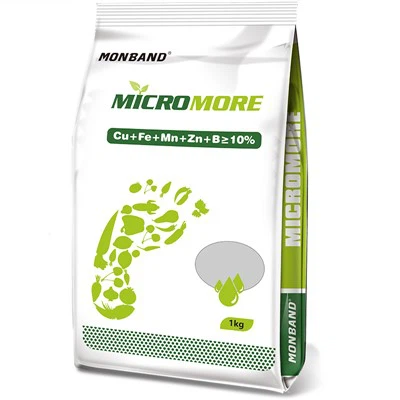
Photosynthesis is a fundamental process in plants, through which they convert light energy into chemical energy, producing oxygen and carbohydrates that are essential for their growth and development. As a supplier of Organic Soluble Fertilizer, I have witnessed firsthand how our products can significantly enhance the photosynthetic capacity of plants. In this blog, I will delve into the scientific mechanisms by which organic soluble fertilizers contribute to improved photosynthesis.
1. Provision of Essential Nutrients
One of the primary ways organic soluble fertilizers enhance photosynthesis is by providing plants with essential nutrients. Photosynthesis is a complex biochemical process that relies on a variety of elements, including nitrogen (N), phosphorus (P), potassium (K), magnesium (Mg), and iron (Fe).
Nitrogen is a crucial component of chlorophyll, the pigment that captures light energy during photosynthesis. Organic soluble fertilizers are rich in nitrogen in forms that are readily available to plants, such as ammonium and nitrate. By supplying an adequate amount of nitrogen, these fertilizers ensure that plants can synthesize sufficient chlorophyll, which in turn increases their light - harvesting ability. A study by Marschner (1995) showed that nitrogen deficiency can lead to a significant reduction in chlorophyll content and photosynthetic rate.
Phosphorus is involved in energy transfer reactions within the plant. It is a key component of ATP (adenosine triphosphate), which is the energy currency of the cell. During photosynthesis, ATP is used in the Calvin cycle to convert carbon dioxide into carbohydrates. Organic soluble fertilizers provide phosphorus in a soluble form that can be easily absorbed by plant roots, facilitating efficient energy transfer and carbon fixation.
Potassium plays a vital role in regulating stomatal opening and closing. Stomata are small pores on the surface of leaves that control the exchange of gases, including carbon dioxide and oxygen. Adequate potassium levels in the plant ensure proper stomatal function, allowing for a sufficient supply of carbon dioxide for photosynthesis. Additionally, potassium is involved in enzyme activation, which is essential for many biochemical reactions in the photosynthetic process.
Magnesium is the central atom in the chlorophyll molecule. It is required for the synthesis and stability of chlorophyll. Organic soluble fertilizers containing magnesium help maintain high levels of chlorophyll in the leaves, promoting efficient light absorption and energy conversion. Iron is also important for photosynthesis as it is involved in the synthesis of chlorophyll and the electron transport chain.
2. Improvement of Soil Structure and Microbial Activity
Organic soluble fertilizers not only supply nutrients directly to plants but also have a positive impact on soil structure and microbial activity. These fertilizers often contain organic matter, such as humic acids and fulvic acids, which can improve soil aggregation and porosity.
A well - structured soil allows for better root penetration and aeration, which is essential for root health. Healthy roots are more efficient in absorbing water and nutrients, including those required for photosynthesis. Moreover, the organic matter in organic soluble fertilizers serves as a food source for soil microorganisms.
Soil microorganisms, such as bacteria and fungi, play a crucial role in the nutrient cycling process. They can break down organic matter in the soil, releasing nutrients in forms that are available to plants. Some microorganisms also form symbiotic relationships with plants, such as mycorrhizal fungi, which can enhance the plant's ability to absorb phosphorus and other nutrients. By promoting microbial activity, organic soluble fertilizers create a more favorable soil environment for plant growth and photosynthesis.
3. Enhancement of Plant Hormone Production
Organic soluble fertilizers can also influence the production of plant hormones, which play important roles in regulating photosynthesis. Hormones such as auxins, cytokinins, and gibberellins can affect various aspects of plant growth and development, including leaf expansion, chloroplast development, and photosynthetic enzyme activity.


For example, cytokinins are known to promote cell division and chloroplast development. They can increase the number of chloroplasts in the leaves, leading to an increase in the photosynthetic surface area. Some organic soluble fertilizers contain natural substances that can stimulate the production of cytokinins in plants.
Auxins are involved in cell elongation and the regulation of leaf orientation. By promoting proper leaf orientation, auxins can ensure that leaves receive optimal light exposure for photosynthesis. Gibberellins can also enhance plant growth and development, including the expansion of leaves, which can improve the overall photosynthetic capacity of the plant.
4. Case Study: Tomato Plants
To illustrate the impact of organic soluble fertilizers on photosynthesis, let's take a look at a case study involving tomato plants. Tomato plants are widely cultivated for their fruit, and photosynthesis is crucial for their growth and fruit production.
We conducted an experiment where we compared the growth and photosynthetic performance of tomato plants treated with our Tomato Water Soluble Fertilizer and those without fertilizer treatment. The results showed that the tomato plants treated with the organic soluble fertilizer had significantly higher chlorophyll content in their leaves.
The higher chlorophyll content allowed the plants to capture more light energy, resulting in an increased photosynthetic rate. The treated plants also had larger leaves, which provided a greater surface area for photosynthesis. In addition, the roots of the treated plants were more developed, indicating better nutrient and water uptake. As a result, the tomato plants treated with the organic soluble fertilizer produced more fruits and had a higher yield compared to the control group.
5. Compatibility with Different Agricultural Systems
Our organic soluble fertilizers are highly versatile and can be used in various agricultural systems, including hydroponics, greenhouse cultivation, and open - field farming. In hydroponic systems, where plants are grown in a nutrient - rich water solution, our Water Soluble Fertilizer Bunnings provides a balanced supply of nutrients directly to the plant roots. This ensures that the plants have access to all the essential elements required for photosynthesis, even in a soilless environment.
In greenhouse cultivation, the controlled environment allows for precise application of organic soluble fertilizers. By adjusting the nutrient concentration and application frequency, growers can optimize the photosynthetic performance of their plants. In open - field farming, our fertilizers can improve soil fertility and plant health, leading to enhanced photosynthesis and higher crop yields.
6. Environmental Benefits
Using organic soluble fertilizers is also environmentally friendly. These fertilizers are derived from natural sources and are biodegradable, reducing the risk of environmental pollution compared to some synthetic fertilizers. They can also help sequester carbon in the soil, contributing to climate change mitigation.
In conclusion, organic soluble fertilizers offer a comprehensive solution for enhancing the photosynthesis of plants. Through the provision of essential nutrients, improvement of soil structure and microbial activity, enhancement of plant hormone production, and compatibility with different agricultural systems, these fertilizers can significantly improve plant growth, development, and crop yields.
If you are interested in learning more about our organic soluble fertilizers or would like to discuss potential purchasing opportunities, please feel free to reach out. We are always happy to provide detailed information and assist you in finding the best fertilizer solutions for your specific needs.
References
Marschner, H. (1995). Mineral Nutrition of Higher Plants. Academic Press.