Hey there, fellow plant enthusiasts! As a supplier of NPK fertilizers, I've been getting a lot of questions lately about how these fertilizers influence plant sugar content. So, I thought I'd take a deep dive into this topic and share some insights with you.
First off, let's break down what NPK fertilizer is. NPK stands for nitrogen (N), phosphorus (P), and potassium (K). These three nutrients are essential for plant growth and development. Nitrogen is crucial for leaf and stem growth, phosphorus plays a key role in root development and energy transfer, and potassium helps with overall plant health, disease resistance, and fruit quality.
Now, let's talk about how each of these nutrients affects plant sugar content.
Nitrogen and Plant Sugar Content
Nitrogen is often associated with lush, green foliage. When plants have an adequate supply of nitrogen, they can produce more chlorophyll, which is essential for photosynthesis. Photosynthesis is the process by which plants convert sunlight, carbon dioxide, and water into glucose (a type of sugar) and oxygen.
However, too much nitrogen can actually have a negative impact on plant sugar content. When plants receive an excessive amount of nitrogen, they tend to focus more on vegetative growth (leaves and stems) rather than fruit development. This can lead to a decrease in sugar accumulation in the fruits or other plant parts. For example, in fruit trees, an over - supply of nitrogen may result in large, but less sweet, fruits.
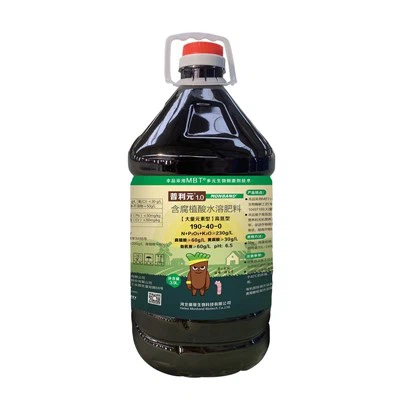
On the other hand, a balanced supply of nitrogen is necessary for optimal photosynthesis and sugar production. If a plant is nitrogen - deficient, its growth will be stunted, and photosynthesis will be impaired, leading to lower sugar production. As a supplier, I recommend using a High Nitrogen Water Soluble Fertilizer in the early stages of plant growth to promote healthy leaf and stem development, but then adjusting the nitrogen levels as the plant enters the fruiting or flowering stage.
Phosphorus and Plant Sugar Content
Phosphorus is involved in many important metabolic processes in plants, including the transfer and storage of energy. During photosynthesis, phosphorus helps in the conversion of light energy into chemical energy in the form of ATP (adenosine triphosphate). ATP is then used to drive various biochemical reactions, including the synthesis of sugars.
Phosphorus also plays a role in root development. A well - developed root system can better absorb water and nutrients from the soil, which is essential for overall plant health and sugar production. When plants have enough phosphorus, they are more efficient at producing and transporting sugars throughout the plant.
A phosphorus deficiency can lead to reduced photosynthesis and sugar production. Plants may show symptoms such as stunted growth, purplish - colored leaves, and poor fruit development. To ensure that your plants have an adequate supply of phosphorus, you can use a Water Soluble Phosphate Fertilizer. This type of fertilizer can be easily dissolved in water and quickly absorbed by the plants.
Potassium and Plant Sugar Content
Potassium is often referred to as the "quality element" in plant nutrition. It helps regulate the opening and closing of stomata, which are tiny pores on the surface of leaves. Stomata control the exchange of gases (carbon dioxide and oxygen) and water vapor between the plant and the environment. By regulating stomata, potassium helps optimize photosynthesis, which in turn affects sugar production.
Potassium also plays a role in the translocation of sugars from the leaves (where they are produced) to other parts of the plant, such as fruits and roots. It helps maintain the osmotic balance within the plant cells, allowing for the efficient movement of sugars.
In addition, potassium enhances the quality of fruits and vegetables by increasing their sugar content, flavor, and shelf - life. A potassium - deficient plant may have poor fruit quality, with lower sugar levels and a more watery texture. To provide your plants with the right amount of potassium, I suggest using a Water Soluble Potassium Fertilizer.
The Importance of Balanced NPK Fertilization
As you can see, each of the NPK nutrients plays a unique role in influencing plant sugar content. But it's not just about providing each nutrient individually; it's about finding the right balance.
A balanced NPK fertilizer contains the three nutrients in the appropriate ratios for different stages of plant growth. For example, during the vegetative stage, a fertilizer with a higher nitrogen content may be beneficial to promote leaf and stem growth. As the plant transitions to the flowering and fruiting stage, a fertilizer with a higher phosphorus and potassium content can help enhance flower formation, fruit development, and sugar accumulation.
By using a balanced NPK fertilizer, you can ensure that your plants have all the necessary nutrients to produce high - quality, sweet fruits and vegetables.
Real - World Examples
Let's take a look at some real - world examples of how NPK fertilizers can impact plant sugar content.
In vineyards, winemakers carefully manage the NPK fertilization of grapevines. A balanced supply of nutrients is crucial for producing grapes with the right sugar levels for wine production. If the vines receive too much nitrogen, the grapes may be less sweet, resulting in a less flavorful wine. On the other hand, a proper application of phosphorus and potassium can help increase the sugar content of the grapes, leading to a more delicious and high - quality wine.
In tomato production, farmers also pay close attention to NPK fertilization. By providing the right amount of nitrogen, phosphorus, and potassium at different growth stages, they can ensure that the tomatoes are sweet, juicy, and have a good texture.
How to Determine the Right NPK Fertilizer for Your Plants
Determining the right NPK fertilizer for your plants depends on several factors, including the type of plant, its growth stage, and the soil conditions.
You can start by conducting a soil test. A soil test will tell you the existing nutrient levels in your soil, allowing you to identify any deficiencies or imbalances. Based on the soil test results, you can choose an NPK fertilizer with the appropriate nutrient ratios.
You can also consider the specific needs of your plants. For example, leafy vegetables may require a fertilizer with a higher nitrogen content, while fruiting plants may need more phosphorus and potassium.


As a supplier, I'm always here to help you choose the right NPK fertilizer for your plants. Whether you're a home gardener or a large - scale farmer, I can provide you with personalized advice based on your specific situation.
Conclusion
In conclusion, NPK fertilizers have a significant impact on plant sugar content. Nitrogen, phosphorus, and potassium each play a unique role in the growth, development, and sugar production of plants. By providing the right balance of these nutrients at the right time, you can enhance the quality and sweetness of your fruits and vegetables.
If you're interested in learning more about NPK fertilizers or are looking to purchase high - quality NPK fertilizers for your plants, I'd love to hear from you. Feel free to reach out to me to discuss your specific needs and start a procurement negotiation.
References
- Marschner, H. (1995). Mineral Nutrition of Higher Plants. Academic Press.
- Taiz, L., & Zeiger, E. (2010). Plant Physiology. Sinauer Associates.