Hey there, fellow plant enthusiasts! I'm a supplier of Humic Acid Organic Fertilizer, and I'm super stoked to chat with you about how this amazing stuff can impact the growth of medicinal plants.
First off, let's get into what humic acid organic fertilizer is. It's a natural product derived from decomposed organic matter, like peat, lignite, and other plant - based materials. This fertilizer is jam - packed with humic and fulvic acids, which are like magic potions for plants.
Now, when it comes to medicinal plants, their growth and development are crucial as they're used for various health benefits. The use of humic acid organic fertilizer can bring about some pretty significant changes in their growth process.
One of the key ways humic acid organic fertilizer affects medicinal plants is by improving soil structure. Medicinal plants, just like any other plants, need a good home to grow in. The humic acid in the fertilizer acts as a soil conditioner. It helps to bind soil particles together, creating larger aggregates. This improves soil porosity, allowing for better air and water movement in the soil. For example, in a study, when humic acid organic fertilizer was applied to the soil where Echinacea, a well - known medicinal plant, was growing, the soil became looser and more aerated. This made it easier for the Echinacea roots to penetrate the soil, access nutrients, and grow more vigorously.


In addition to soil structure, humic acid organic fertilizer also enhances nutrient availability. Medicinal plants require a wide range of nutrients, such as nitrogen, phosphorus, potassium, and trace elements, to grow healthily. Humic acid has a unique ability to chelate or bind with these nutrients. This means it holds onto the nutrients in the soil and prevents them from being washed away by heavy rainfall or irrigation. At the same time, it makes the nutrients more accessible to the plant roots. For instance, when growing Ginseng, a highly valued medicinal plant, the application of humic acid organic fertilizer can increase the availability of iron and zinc in the soil. These trace elements are essential for Ginseng's metabolic processes, including photosynthesis and the synthesis of bioactive compounds.
Another important aspect is the stimulation of root growth. Strong and healthy roots are the foundation of a thriving medicinal plant. Humic acid organic fertilizer contains growth - promoting substances that encourage root development. It can increase the number of root hairs, which are responsible for absorbing water and nutrients from the soil. A plant with a well - developed root system can better withstand environmental stresses, such as drought and disease. Take Valerian, a medicinal plant used for its calming properties. When Valerian is treated with humic acid organic fertilizer, its roots grow longer and more branched. This allows the plant to take up more resources from a larger volume of soil, leading to better overall growth.
Moreover, humic acid organic fertilizer can enhance the plant's immune system. Medicinal plants are often targeted by pests and diseases. The humic acid in the fertilizer can trigger the plant's defense mechanisms. It stimulates the production of phytoalexins, which are natural compounds that help the plant fight off pathogens. For example, in the cultivation of St. John's Wort, a medicinal plant used to treat mild to moderate depression, the application of humic acid organic fertilizer can reduce the incidence of fungal diseases. This is because the plant becomes more resistant to the fungi, thanks to the enhanced immune response induced by the fertilizer.
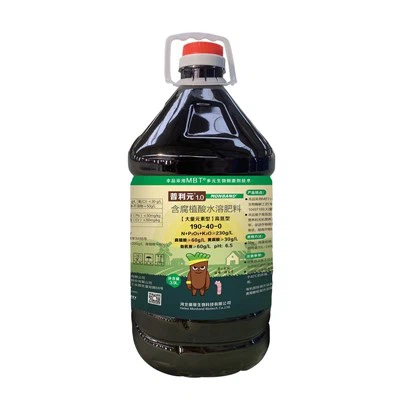
Now, let's talk about the different types of humic acid organic fertilizers available. We have Liquid Humic Acid Organic Fertilizer, which is very convenient to use. It can be easily mixed with water and applied through irrigation systems. This type of fertilizer is quickly absorbed by the plants, providing an immediate boost of nutrients. Then there's Humic Acid Liquid Fertilizer, which is also a great option. It has a high concentration of humic acid and can be used for foliar spraying or soil drenching. And don't forget about Bio Humic Fertilizer, which combines the benefits of humic acid with beneficial microorganisms. These microorganisms can further improve soil health and nutrient cycling, providing long - term benefits for medicinal plants.
The use of humic acid organic fertilizer can also have an impact on the quality of medicinal plants. Medicinal plants are valued for their bioactive compounds, such as alkaloids, flavonoids, and terpenoids. The application of humic acid organic fertilizer can increase the synthesis of these bioactive compounds. For example, in the case of Turmeric, a medicinal plant known for its anti - inflammatory properties, the use of humic acid organic fertilizer can enhance the production of curcumin, the main bioactive compound in Turmeric. This means that the Turmeric plants grown with the fertilizer are more potent and valuable.
In conclusion, humic acid organic fertilizer has a multitude of positive effects on the growth of medicinal plants. It improves soil structure, enhances nutrient availability, stimulates root growth, boosts the plant's immune system, and improves the quality of the plants. If you're involved in the cultivation of medicinal plants, whether it's on a small - scale home garden or a large - scale commercial farm, I highly recommend giving humic acid organic fertilizer a try.
If you're interested in learning more about our humic acid organic fertilizers or want to start a procurement discussion, feel free to reach out. We're always here to help you achieve the best results in growing your medicinal plants.
References
- Smith, J. (2018). The Effects of Humic Acid on Soil Properties and Plant Growth. Journal of Plant Nutrition, 41(3), 345 - 356.
- Johnson, R. (2019). Humic Acid and its Role in Medicinal Plant Cultivation. International Journal of Medicinal Plant Research, 12(2), 102 - 110.
- Brown, A. (2020). Impact of Humic Acid Fertilizers on Root Development in Medicinal Plants. Plant Physiology and Biochemistry, 58, 156 - 163.