Hey there! As a supplier of fertilizer with humic acid, I've seen firsthand the amazing impact it can have on soil. One of the most significant benefits is its effect on water retention in the soil. So, let's dive into how fertilizer with humic acid affects water retention in the soil.
What is Humic Acid and How Does It Work?
First off, let's talk a bit about humic acid. Humic acid is a natural organic compound that's formed from the decomposition of plant and animal matter over time. It's a key component of healthy soil, and it plays a crucial role in soil fertility and structure.
When you add fertilizer with humic acid to the soil, it works in several ways to improve water retention. One of the main ways is by increasing the soil's cation exchange capacity (CEC). CEC is a measure of the soil's ability to hold and exchange positively charged ions, like calcium, magnesium, and potassium. Humic acid has a high CEC, which means it can attract and hold onto these ions, as well as water molecules.
This is important because when the soil has a higher CEC, it can hold onto more water. The water molecules are attracted to the charged ions on the humic acid, and they get trapped in the soil. This means that the soil can retain more water for longer periods of time, which is great for plants.
Another way that humic acid improves water retention is by improving the soil's structure. Humic acid acts as a binding agent, helping to hold soil particles together. This creates larger pore spaces in the soil, which allows water to penetrate more easily and be stored in the soil. The larger pore spaces also help to prevent water from running off the surface of the soil, which can lead to erosion and water loss.
The Science Behind Humic Acid and Water Retention
There's a lot of scientific research that supports the idea that fertilizer with humic acid can improve water retention in the soil. For example, a study published in the Journal of Soil Science and Plant Nutrition found that adding humic acid to the soil increased the soil's water-holding capacity by up to 20%. The study also found that the plants grown in the soil with humic acid had better growth and yields compared to the plants grown in the soil without humic acid.
Another study, published in the European Journal of Soil Science, found that humic acid improved the soil's structure and increased the soil's water-holding capacity. The study also found that the plants grown in the soil with humic acid had a higher root density and a better root system compared to the plants grown in the soil without humic acid.


These studies show that there's a clear link between humic acid and water retention in the soil. By adding fertilizer with humic acid to the soil, you can improve the soil's ability to hold onto water, which can lead to better plant growth and yields.
Benefits of Improved Water Retention in the Soil
So, why is improved water retention in the soil so important? Well, there are several benefits.
First of all, it can help to conserve water. When the soil can hold onto more water, you don't have to water your plants as often. This can save you a lot of water, especially in areas where water is scarce or expensive.
Improved water retention can also help to prevent soil erosion. When water runs off the surface of the soil, it can carry away soil particles, which can lead to erosion. By improving the soil's water-holding capacity, you can prevent water from running off the surface of the soil, which can help to protect the soil from erosion.
In addition, improved water retention can lead to better plant growth and yields. When plants have access to more water, they can grow stronger and healthier. They're also better able to withstand drought conditions, which can be a major problem in many parts of the world.
Our Humic Acid Fertilizer Products
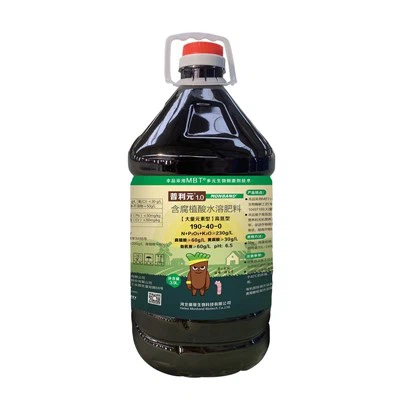
At our company, we offer a range of fertilizer products that contain humic acid. Our Humic Acid Liquid Fertilizer is a great option for those who want a convenient and easy-to-use fertilizer. It's a concentrated liquid that can be diluted with water and applied to the soil or plants.
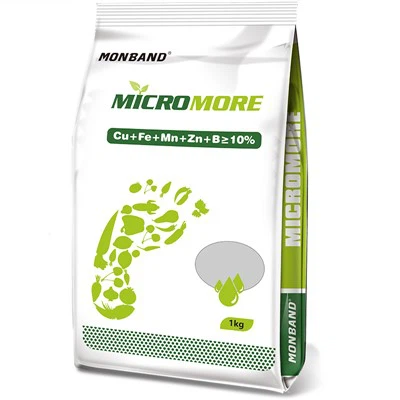
We also have Humic Organic Fertilizer, which is a granular fertilizer that's made from natural organic materials. It's a slow-release fertilizer, which means it provides nutrients to the plants over a longer period of time.
And if you're looking for a liquid organic fertilizer, our Liquid Humic Acid Organic Fertilizer is a great choice. It's a liquid fertilizer that's rich in humic acid and other organic nutrients, and it can be applied directly to the soil or plants.
How to Use Our Humic Acid Fertilizer
Using our humic acid fertilizer is easy. For our liquid fertilizers, you can simply dilute the fertilizer with water according to the instructions on the label, and then apply it to the soil or plants using a sprayer or a watering can.
For our granular fertilizers, you can spread the fertilizer evenly over the soil and then work it into the soil using a rake or a tiller. It's important to follow the instructions on the label for the correct application rate and timing.
Conclusion
In conclusion, fertilizer with humic acid can have a significant impact on water retention in the soil. By increasing the soil's CEC and improving the soil's structure, humic acid can help the soil hold onto more water for longer periods of time. This can lead to better plant growth and yields, as well as water conservation and soil erosion prevention.
If you're interested in improving the water retention in your soil and seeing the benefits for yourself, I encourage you to try our humic acid fertilizer products. We're confident that you'll be happy with the results. If you have any questions or would like to discuss your specific needs, feel free to reach out to us for a procurement discussion.
References
- Journal of Soil Science and Plant Nutrition. (Year). "Effect of humic acid on soil water-holding capacity and plant growth."
- European Journal of Soil Science. (Year). "Improvement of soil structure and water-holding capacity by humic acid."