Biostimulant fertilizers have emerged as a revolutionary approach in modern agriculture, offering a sustainable and effective way to enhance crop productivity and quality. As a leading supplier of biostimulant fertilizers, I am excited to share insights into how these remarkable products work and the benefits they bring to the agricultural sector.


Understanding Biostimulant Fertilizers
Biostimulant fertilizers are substances or microorganisms that, when applied to plants, seeds, or the rhizosphere, stimulate natural processes to enhance nutrient uptake, nutrient efficiency, tolerance to abiotic stress, and crop quality. Unlike traditional fertilizers that primarily provide essential nutrients such as nitrogen, phosphorus, and potassium, biostimulants work by activating physiological and biochemical processes within the plant, leading to improved growth and development.
Mechanisms of Action
1. Enhanced Nutrient Uptake
One of the primary ways biostimulant fertilizers work is by improving the plant's ability to absorb and utilize nutrients from the soil. Microbial biostimulants, such as beneficial bacteria and fungi, form symbiotic relationships with plant roots, creating a mutually beneficial environment. For example, mycorrhizal fungi colonize the roots and extend their hyphae into the soil, increasing the surface area available for nutrient absorption. This allows plants to access nutrients that would otherwise be unavailable, such as phosphorus and micronutrients.
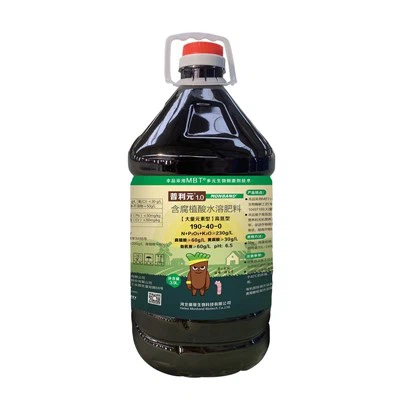
Humic based biostimulants also play a crucial role in nutrient uptake. Humic substances, such as humic acid and fulvic acid, can chelate nutrients, making them more soluble and available for plant uptake. They also improve soil structure, enhancing water infiltration and retention, which further facilitates nutrient movement to the roots. Humic Based Biostimulants
2. Stimulation of Plant Hormones
Biostimulants can influence the production and activity of plant hormones, which are essential for regulating growth, development, and stress responses. For instance, certain biostimulants contain auxins, cytokinins, and gibberellins, which can promote root growth, cell division, and shoot elongation. By modulating hormone levels, biostimulants help plants adapt to changing environmental conditions and optimize their growth potential.
3. Activation of Stress Tolerance Mechanisms
Plants are constantly exposed to various abiotic stresses, such as drought, salinity, extreme temperatures, and heavy metal toxicity. Biostimulant fertilizers can activate the plant's natural defense mechanisms, enabling it to better tolerate these stresses. Microbial biostimulants, for example, can produce antioxidants, enzymes, and osmolytes that protect the plant from oxidative damage and maintain cellular homeostasis. They can also induce the expression of stress-responsive genes, enhancing the plant's ability to cope with adverse conditions. Microbial Biostimulants
4. Improvement of Soil Health
Biostimulants can have a positive impact on soil health by promoting the growth and activity of beneficial soil microorganisms. These microorganisms play a vital role in nutrient cycling, organic matter decomposition, and soil structure formation. By enhancing soil biodiversity and fertility, biostimulants create a more favorable environment for plant growth and development.
Benefits of Biostimulant Fertilizers
1. Increased Crop Yield and Quality
By improving nutrient uptake, stimulating plant growth, and enhancing stress tolerance, biostimulant fertilizers can significantly increase crop yield and quality. They can promote larger fruit size, better color, and improved taste, making the produce more marketable. Additionally, biostimulants can enhance the nutritional value of crops, increasing their vitamin and mineral content.
2. Reduced Environmental Impact
Biostimulant fertilizers offer a more sustainable alternative to traditional fertilizers. They can reduce the need for synthetic fertilizers and pesticides, minimizing the environmental pollution associated with their use. By improving soil health and nutrient efficiency, biostimulants also help conserve natural resources and protect the ecosystem.
3. Cost-Effectiveness
Although biostimulant fertilizers may have a higher upfront cost compared to traditional fertilizers, their long-term benefits can outweigh the initial investment. By increasing crop yield and quality, reducing the need for chemical inputs, and improving soil health, biostimulants can ultimately lead to cost savings for farmers.
Application of Biostimulant Fertilizers
Biostimulant fertilizers can be applied through various methods, including foliar spraying, soil drenching, seed treatment, and fertigation. The choice of application method depends on the type of biostimulant, the crop, and the specific growing conditions. It is important to follow the manufacturer's instructions for proper application rates and timing to ensure optimal results.
Conclusion
Biostimulant fertilizers are a game-changer in modern agriculture, offering a sustainable and effective way to enhance crop productivity and quality. As a supplier of biostimulant fertilizers, I am committed to providing high-quality products that deliver real results. If you are interested in learning more about our biostimulant fertilizers or would like to discuss your specific agricultural needs, please do not hesitate to contact us. We look forward to partnering with you to achieve your farming goals.
References
- Du J, et al. Biostimulants and sustainable agriculture: A review. Agronomy for Sustainable Development. 2020.
- Ruzzi M, Aroca R. Arbuscular mycorrhizal symbiosis: A natural tool to improve crop salt tolerance. Agronomy. 2019.
- Yakhin IA, et al. Biostimulants in plant science: A global perspective. Frontiers in Plant Science. 2017.