Hey there! I'm a supplier of Bio Humic Fertilizer, and I've been getting a lot of questions lately about whether this type of fertilizer can promote the growth of beneficial fungi in soil. Well, I'm here to share my insights and some scientific knowledge on this topic.
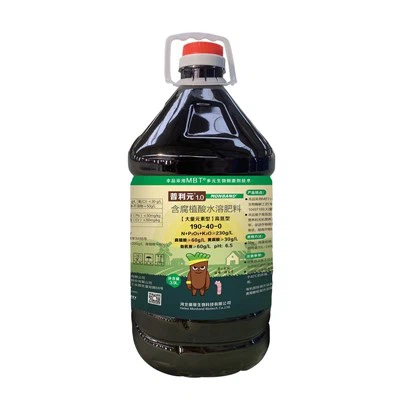
First off, let's talk a bit about what Bio Humic Fertilizer is. Bio Humic Fertilizer is a special kind of fertilizer that combines humic substances with beneficial microorganisms. You can check out more about it on this page: Bio Humic Fertilizer. Humic substances are organic compounds that are formed through the decomposition of plant and animal residues over a long period. They play a crucial role in soil health and fertility.
Now, onto the main question: Does Bio Humic Fertilizer promote the growth of beneficial fungi in soil? The answer is a big yes! And here's why.
Beneficial fungi in soil are like little superheroes. They have a symbiotic relationship with plants, helping them absorb nutrients, improve water uptake, and even protect against diseases. For example, mycorrhizal fungi form a mutualistic association with plant roots. The fungi colonize the roots and extend their hyphae (tiny thread - like structures) into the soil, increasing the surface area for nutrient and water absorption. In return, the plants provide the fungi with carbohydrates produced through photosynthesis.
Bio Humic Fertilizer provides a great environment for these beneficial fungi to thrive. The humic substances in the fertilizer have several properties that are beneficial for fungal growth. Firstly, humic substances can improve soil structure. They help to create a more porous soil, which allows for better air and water movement. This is important for fungi because they need oxygen to grow, and a well - aerated soil provides the perfect conditions.
Secondly, humic substances can act as a source of energy and nutrients for fungi. They contain a variety of organic compounds such as amino acids, sugars, and vitamins that fungi can use for growth and metabolism. The microorganisms in Bio Humic Fertilizer also contribute to the breakdown of these substances, making them more readily available to the fungi.


Another important aspect is that Bio Humic Fertilizer can modify the soil pH. Many beneficial fungi prefer a slightly acidic to neutral soil pH. Humic substances can buffer the soil pH, keeping it within the optimal range for fungal growth. This is especially important in soils that are too alkaline or acidic, which can otherwise inhibit fungal activity.
Let's take a look at some scientific studies. Research has shown that the application of Bio Humic Fertilizer can significantly increase the population of mycorrhizal fungi in soil. In a study conducted on agricultural fields, it was found that plots treated with Bio Humic Fertilizer had a higher percentage of root colonization by mycorrhizal fungi compared to untreated plots. This led to improved plant growth, higher yields, and better nutrient uptake.
Moreover, Bio Humic Fertilizer can also enhance the activity of other beneficial fungi such as Trichoderma species. Trichoderma fungi are known for their ability to suppress plant pathogens. They can parasitize harmful fungi, produce antibiotics, and induce systemic resistance in plants. By promoting the growth of Trichoderma fungi, Bio Humic Fertilizer can help protect plants from diseases and reduce the need for chemical pesticides.
There are also different types of Bio Humic Fertilizer products available, such as Humic Acid Liquid Fertilizer and Liquid Humic Acid Organic Fertilizer. These liquid fertilizers are easy to apply and can quickly reach the root zone, providing immediate benefits to the soil and the fungi.
In addition to promoting fungal growth, Bio Humic Fertilizer has other advantages for soil and plants. It can increase soil organic matter content, which is essential for long - term soil fertility. It also helps to retain moisture in the soil, reducing the need for frequent irrigation. And it can enhance the cation exchange capacity (CEC) of the soil, which means the soil can hold and exchange more nutrients with the plants.
So, if you're a farmer, a gardener, or just someone interested in soil health, using Bio Humic Fertilizer is a smart choice. It not only promotes the growth of beneficial fungi but also has a wide range of benefits for your plants and soil.
If you're thinking about using Bio Humic Fertilizer for your fields or gardens, I'd be more than happy to help. Whether you have questions about application rates, compatibility with other fertilizers, or just want to learn more about its benefits, feel free to reach out. You can contact me to discuss your specific needs and start a procurement process. Investing in Bio Humic Fertilizer is an investment in the long - term health and productivity of your soil and plants.
References
- Smith, S. E., & Read, D. J. (2008). Mycorrhizal Symbiosis. Academic Press.
- Chen, Y., & Aviad, T. (1990). The role of humic substances in plant growth. In Humic Substances in Soil, Sediment, and Water: Geochemistry, Isolation, and Characterization (pp. 401 - 421). Wiley - Interscience.
- Harman, G. E., Howell, C. R., Viterbo, A., Chet, I., & Lorito, M. (2004). Trichoderma species - opportunistic, avirulent plant symbionts. Nature Reviews Microbiology, 2(1), 43 - 56.