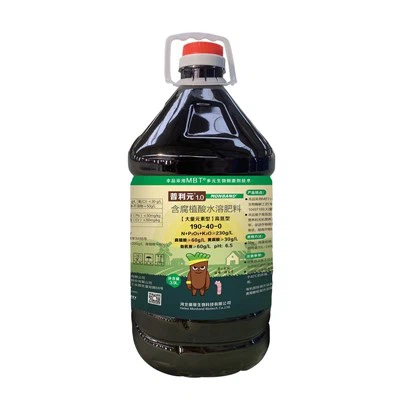
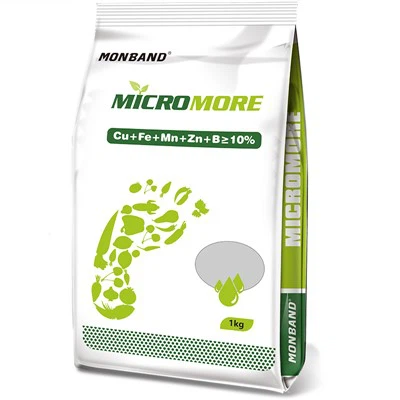
Do microbial biostimulants need to be applied at a certain depth in the soil? That's a question I've been getting a lot lately as a supplier of Microbial Biostimulants. And it's a good one, because getting the application right can really make a difference in how well these products work.
First off, let's talk about what microbial biostimulants are. They're basically products that contain beneficial microorganisms, like bacteria, fungi, or yeasts. These little guys can do all sorts of cool things for your soil and plants. They can help break down organic matter, making nutrients more available to plants. They can also improve soil structure, which means better water infiltration and retention. And some can even protect plants from diseases.
Now, back to the question of application depth. The short answer is, it depends. Different types of microbial biostimulants and different soil and plant conditions can affect the ideal application depth.
Factors Affecting Application Depth
Microorganism Type
Some microorganisms in biostimulants are more adapted to living near the soil surface, while others prefer deeper layers. For example, certain aerobic bacteria thrive in the top few inches of soil where there's plenty of oxygen. These bacteria are great at decomposing organic matter on the surface, like fallen leaves or crop residues. Applying a biostimulant with these bacteria too deep might not be as effective because they won't have access to the oxygen they need.
On the other hand, some fungi, like mycorrhizal fungi, form symbiotic relationships with plant roots. These fungi can grow deep into the soil, sometimes several feet down. Applying a mycorrhizal biostimulant close to the root zone, even if it's a bit deeper in the soil, can really help the plants establish a strong connection with these beneficial fungi.
Soil Conditions
Soil texture plays a big role in how deep biostimulants should be applied. In sandy soils, water and nutrients tend to drain quickly, and the soil can dry out easily. Microorganisms in biostimulants might need to be applied a bit deeper to reach a more stable environment where there's enough moisture. In clay soils, which hold water well but can be poorly aerated, the application depth might be shallower to ensure the microorganisms have access to oxygen.
The soil's organic matter content also matters. Soils with high organic matter can provide a good home for microorganisms at various depths. But in soils with low organic matter, the microorganisms might need to be placed closer to the surface where they can start breaking down any available organic material.
Plant Type
Different plants have different root systems. Shallow - rooted plants, like lettuce or some herbs, have most of their roots in the top 6 - 12 inches of soil. For these plants, applying microbial biostimulants in the top few inches of soil can be very effective. Deep - rooted plants, such as trees or some types of grasses, have roots that can penetrate several feet into the soil. For these plants, it might be beneficial to apply the biostimulants at a greater depth to reach the root zone.
Ideal Depths for Different Situations
For Seed Bed Preparation
When preparing a seed bed, it's often a good idea to incorporate microbial biostimulants into the top 2 - 4 inches of soil. This is where most seeds germinate and the young roots start to grow. By applying the biostimulants at this depth, the seeds and young plants can quickly benefit from the presence of the beneficial microorganisms. The microorganisms can help with seed germination, early root development, and nutrient uptake right from the start.
For Established Plants
For established plants, the application depth can vary depending on the plant's root system. If you have a garden with a mix of shallow - and deep - rooted plants, you might want to apply the biostimulants in multiple layers. You can start by applying a layer on the soil surface and then lightly till it in to a depth of 2 - 3 inches. Then, you can use a soil injector or a special applicator to apply some of the biostimulant deeper, around 6 - 8 inches, near the root zone of the deep - rooted plants.
Application Methods
Surface Application
Surface application is the simplest method. You just spread the microbial biostimulant on the soil surface and let it work its way in through natural processes like rainfall or irrigation. This method is great for biostimulants with aerobic microorganisms that thrive near the surface. It's also easy and convenient for large - scale applications, like in a field.
However, surface - applied biostimulants are more exposed to environmental factors like sunlight, wind, and temperature fluctuations. Some of the microorganisms might die off before they can fully colonize the soil. And in areas with low rainfall, they might not get washed into the soil effectively.
Incorporation
Incorporating the biostimulant into the soil can be done using a tiller, cultivator, or other similar equipment. This method ensures that the biostimulant is evenly distributed within a certain depth of the soil. It's a good option for preparing a new garden bed or when you want to make sure the microorganisms are in close contact with the soil particles and plant roots.
But be careful not to over - till the soil. Over - tilling can disrupt the soil structure and damage the natural habitat of the microorganisms. Also, if you're using a tiller, make sure it's set to the right depth based on the type of biostimulant and plants you have.
Injection
Soil injection is a more precise method of applying microbial biostimulants. It involves using a special tool to inject the biostimulant directly into the soil at a specific depth. This method is great for deep - rooted plants and situations where you want to target a particular layer of the soil. It can be a bit more time - consuming and requires specialized equipment, but it can be very effective in getting the biostimulant exactly where it's needed.


Conclusion
In conclusion, whether microbial biostimulants need to be applied at a certain depth in the soil depends on a variety of factors. Understanding the type of microorganisms in the biostimulant, the soil conditions, and the plant type is crucial for determining the best application depth.
As a supplier of Microbial Biostimulants and Humic Based Biostimulants, I'm here to help you make the most of these products. If you're not sure about the right application depth for your situation, don't hesitate to reach out. We can work together to figure out the best approach for your soil and plants.
If you're interested in purchasing high - quality microbial biostimulants for your agricultural or gardening needs, I'd love to talk to you. Contact us to discuss your requirements and let's start improving your soil health and plant growth today!
References
- Smith, J. (2020). "The Role of Microbial Biostimulants in Sustainable Agriculture." Agricultural Journal.
- Brown, A. (2019). "Optimal Application Methods for Microbial Biostimulants in Different Soils." Soil Science Magazine.
- Green, M. (2021). "Microbial Biostimulants and Plant Root Interactions." Plant Biology Review.