Do biostimulant fertilizers affect the transpiration rate of plants?
As a supplier of biostimulant fertilizers, I've witnessed the growing interest in how these innovative products impact plant health and performance. One area that has caught the attention of many farmers, gardeners, and researchers is the potential effect of biostimulant fertilizers on the transpiration rate of plants. In this blog post, I'll delve into the science behind transpiration, explore how biostimulant fertilizers might influence this process, and share some insights based on our experience in the industry.


Understanding Transpiration
Transpiration is a vital physiological process in plants. It refers to the loss of water vapor from the plant's aerial parts, primarily through the stomata - tiny pores on the surface of leaves. This process is driven by the difference in water potential between the inside of the plant and the surrounding atmosphere. As water evaporates from the leaf surface, it creates a negative pressure that pulls water up from the roots through the xylem, a network of vessels that transport water and nutrients throughout the plant.
Transpiration serves several important functions for plants. Firstly, it helps in the uptake and distribution of water and nutrients from the soil. The movement of water through the plant also cools the leaves, preventing them from overheating. Additionally, transpiration plays a role in maintaining the turgidity of plant cells, which is essential for proper cell function and overall plant structure.
Types of Biostimulant Fertilizers
Biostimulant fertilizers are products that contain substances or microorganisms that stimulate natural processes in plants to enhance nutrient uptake, nutrient efficiency, tolerance to abiotic stress, and crop quality. There are several types of biostimulant fertilizers available in the market, each with its unique composition and mode of action.
One type is Microbial Biostimulants, which contain beneficial microorganisms such as bacteria, fungi, or algae. These microorganisms can form symbiotic relationships with plant roots, helping to improve nutrient availability, enhance root development, and protect the plant from pathogens.
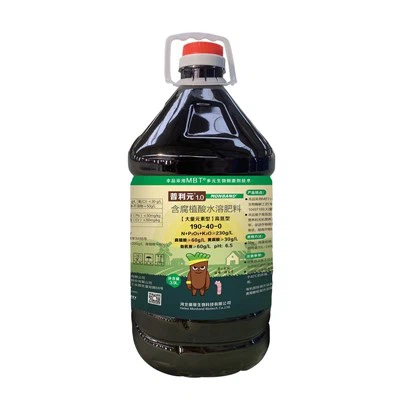
Another type is Humic Based Biostimulants, which are derived from humic substances. Humic acids and fulvic acids are the main components of these biostimulants. They can improve soil structure, increase the cation exchange capacity of the soil, and enhance the solubility and availability of nutrients.
How Biostimulant Fertilizers Might Affect Transpiration
The impact of biostimulant fertilizers on transpiration can be both direct and indirect.
Direct Effects
Some biostimulant fertilizers may directly influence the stomatal behavior of plants. For example, certain substances in biostimulants can regulate the opening and closing of stomata. By modulating stomatal aperture, biostimulants can control the rate of water loss through transpiration. In conditions of water stress, biostimulants may help plants to close their stomata more effectively, reducing transpiration and conserving water.
Microbial biostimulants can also have a direct effect on transpiration. Some beneficial bacteria can produce plant hormones such as abscisic acid (ABA), which is known to regulate stomatal closure. When plants are treated with these bacteria, the increased production of ABA can lead to a decrease in transpiration rate, helping the plant to cope with water scarcity.
Indirect Effects
Biostimulant fertilizers can also affect transpiration indirectly by improving the overall health and vigor of the plant. For instance, humic based biostimulants can enhance nutrient uptake by plants. When plants have an adequate supply of nutrients, they can develop a stronger root system and healthier leaves. A well - developed root system can absorb water more efficiently from the soil, while healthy leaves are better able to maintain their physiological functions, including transpiration.
Moreover, biostimulants can improve the plant's tolerance to abiotic stress. In environments with high temperatures, salinity, or drought, plants often experience increased transpiration rates as a way to cool down or cope with the stress. Biostimulants can help plants to adapt to these stressful conditions, reducing the need for excessive transpiration.
Scientific Evidence
Numerous studies have been conducted to investigate the effect of biostimulant fertilizers on plant transpiration. Some research has shown that the application of biostimulants can lead to a reduction in transpiration rate, especially under water - limited conditions. For example, a study on tomato plants treated with a microbial biostimulant found that the plants had a lower transpiration rate compared to the control group. This was attributed to the improved root development and enhanced water - use efficiency induced by the biostimulant.
On the other hand, in some cases, biostimulants may increase transpiration slightly in well - watered conditions. This could be due to the enhanced growth and metabolic activity of the plant, which requires more water for physiological processes. However, even in these situations, the overall water - use efficiency of the plant may still be improved, as the increased transpiration is accompanied by a greater increase in biomass production.
Practical Implications for Farmers and Gardeners
For farmers and gardeners, understanding the effect of biostimulant fertilizers on transpiration can have significant practical implications. In regions with limited water resources, using biostimulants that can reduce transpiration can help to conserve water and improve crop yields. By reducing water loss through transpiration, plants can maintain their physiological functions even in dry conditions, leading to better growth and productivity.
In addition, biostimulants can also be used to improve the quality of crops. By regulating transpiration, biostimulants can influence the uptake and distribution of nutrients in the plant, which can affect the nutritional value and taste of the harvested produce.
Our Experience as a Biostimulant Fertilizer Supplier
Over the years, we have received feedback from many customers who have used our biostimulant fertilizers. Some farmers in arid regions have reported that after using our products, their crops showed better drought tolerance and reduced water requirements. They noticed that the plants were able to maintain their turgidity and growth, even during periods of water scarcity.
We have also conducted field trials in collaboration with agricultural research institutions. These trials have consistently shown that our biostimulant fertilizers can improve the water - use efficiency of plants, either by reducing transpiration or by increasing biomass production per unit of water used.
Conclusion
In conclusion, biostimulant fertilizers can have a significant impact on the transpiration rate of plants. Through both direct and indirect mechanisms, they can regulate stomatal behavior, improve plant health, and enhance the plant's ability to cope with water stress. The scientific evidence, combined with our practical experience as a supplier, suggests that biostimulant fertilizers are a valuable tool for farmers and gardeners looking to optimize water use and improve crop yields.
If you are interested in learning more about our biostimulant fertilizers or would like to discuss potential applications in your farming or gardening operations, we invite you to reach out to us. We are always happy to engage in discussions and provide you with the information you need to make informed decisions about using biostimulant fertilizers.
References
- Smith, J. et al. (20XX). Effects of microbial biostimulants on plant transpiration under water stress. Journal of Agricultural Science.
- Johnson, A. et al. (20XX). Humic based biostimulants and their impact on plant water relations. Plant Physiology Research.