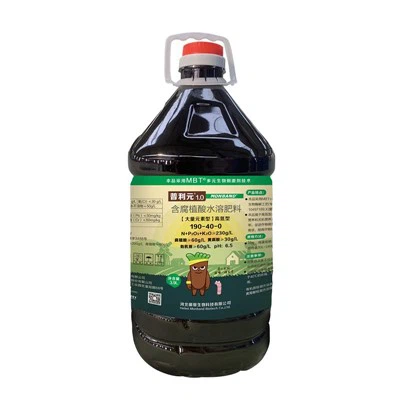
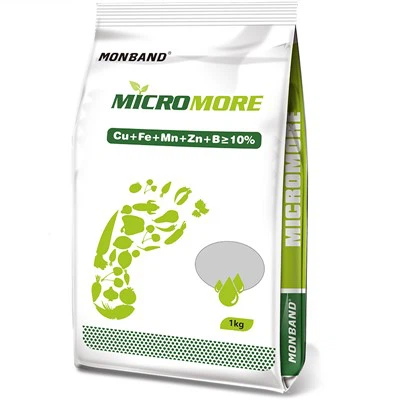
Hey there, fellow garden enthusiasts! As a supplier of soluble fertilisers, I often get asked whether soluble fertiliser can be used on vegetable gardens. Well, the short answer is a resounding yes! But let's dive deeper into the topic to understand why and how soluble fertilisers can work wonders for your vegetable patch.
Why Soluble Fertilisers Are Great for Vegetable Gardens
First off, let's talk about what soluble fertilisers are. These are fertilisers that can dissolve in water, creating a nutrient - rich solution that can be easily absorbed by plants. Unlike granular fertilisers, which need to break down in the soil over time, soluble fertilisers provide an immediate nutrient boost to your vegetables.
Quick Nutrient Delivery
Vegetables are heavy feeders, especially during their growing and fruiting stages. Soluble fertilisers can quickly deliver essential nutrients like nitrogen (N), phosphorus (P), and potassium (K), as well as other micronutrients such as calcium, magnesium, and iron. For example, if your tomatoes are looking a bit pale and lackluster, a dose of Tomato Water Soluble Fertilizer can quickly green them up and promote healthy fruit development.
Customizable Nutrition
One of the great things about soluble fertilisers is that you can customize the nutrient solution according to the specific needs of your vegetables. Different vegetables have different nutrient requirements at different stages of growth. For instance, leafy greens like spinach and lettuce need more nitrogen for lush foliage growth, while root vegetables like carrots and radishes benefit from a higher phosphorus content to support root development. You can choose a Water Soluble Balanced Fertilizer that provides a well - rounded mix of nutrients or select a specialised fertiliser formulated for a particular type of vegetable.
Ease of Application
Applying soluble fertilisers is a breeze. You simply dissolve the fertiliser in water according to the package instructions and then use a watering can, hose - end sprayer, or drip irrigation system to apply the solution to your vegetable garden. This makes it easy to ensure that every plant in your garden gets an equal amount of nutrients, and it also reduces the risk of over - fertilizing in specific areas.
How to Use Soluble Fertilisers in Your Vegetable Garden
Now that we've established why soluble fertilisers are a great choice for vegetable gardens, let's talk about how to use them effectively.
Soil Testing
Before you start using any fertiliser, it's a good idea to test your soil. A soil test will tell you the current nutrient levels in your soil, as well as its pH. This information will help you determine which nutrients your vegetables might be lacking and which type of soluble fertiliser is best suited for your garden. You can purchase a soil testing kit at your local garden center or send a soil sample to a professional laboratory for a more comprehensive analysis.
Application Frequency
The frequency of fertiliser application depends on several factors, including the type of vegetables you're growing, the stage of growth, and the quality of your soil. As a general rule of thumb, it's best to fertilize your vegetable garden every 2 - 3 weeks during the growing season. However, be careful not to over - fertilize, as this can lead to excessive foliage growth at the expense of fruit production and can also cause environmental problems.
Dilution Rates
When diluting soluble fertilisers, always follow the instructions on the package. Using too much fertiliser can burn your plants' roots and damage the soil ecosystem. If you're using a hose - end sprayer, make sure to set it to the correct dilution ratio. If you're using a watering can, measure the fertiliser carefully and dissolve it completely in the water before applying it to your garden.
Types of Soluble Fertilisers for Vegetable Gardens
There are several types of soluble fertilisers available on the market, each with its own unique formulation and benefits.
All - Purpose Soluble Fertilisers
All - purpose soluble fertilisers, like Water Soluble Balanced Fertilizer, are a great choice for general vegetable gardening. These fertilisers typically contain a balanced ratio of nitrogen, phosphorus, and potassium, as well as other essential micronutrients. They can be used throughout the growing season to provide a steady supply of nutrients to your vegetables.
Specialised Soluble Fertilisers
In addition to all - purpose fertilisers, there are also specialised soluble fertilisers formulated for specific types of vegetables. For example, Tomato Water Soluble Fertilizer is designed to meet the unique nutrient needs of tomatoes, with a higher potassium content to promote fruit development and disease resistance. There are also soluble fertilisers for peppers, cucumbers, and other popular vegetables.
Organic Soluble Fertilisers
If you prefer to use organic products in your garden, there are also organic soluble fertilisers available. These fertilisers are made from natural ingredients such as fish emulsion, seaweed extract, and bone meal. Organic soluble fertilisers are a great choice for environmentally - conscious gardeners, as they are less likely to have a negative impact on the soil and water quality.
Potential Drawbacks of Soluble Fertilisers
While soluble fertilisers offer many benefits, there are also a few potential drawbacks to be aware of.
Leaching
One of the main concerns with soluble fertilisers is the risk of leaching. Because these fertilisers dissolve in water, they can easily be washed out of the soil by heavy rainfall or over - watering. This not only wastes the fertiliser but can also lead to water pollution if the excess nutrients end up in nearby streams or lakes. To minimize leaching, it's important to apply soluble fertilisers at the right time and in the right amount, and to water your garden carefully.
Cost
Soluble fertilisers can be more expensive than granular fertilisers, especially if you're using high - quality or specialised products. However, when you consider the benefits of quick nutrient delivery, customizable nutrition, and ease of application, the extra cost may be worth it, especially for serious vegetable gardeners.
Conclusion
In conclusion, soluble fertilisers can be a great addition to your vegetable garden. They offer quick nutrient delivery, customizable nutrition, and ease of application, making them an ideal choice for growing healthy, productive vegetables. By following the tips and guidelines outlined in this blog post, you can use soluble fertilisers effectively and avoid the potential drawbacks.
If you're interested in learning more about our range of soluble fertilisers, including Water Soluble Balanced Fertilizer, Tomato Water Soluble Fertilizer, and Premium Water Soluble Fertilizer, or if you have any questions about using soluble fertilisers in your vegetable garden, please don't hesitate to get in touch. We're here to help you grow the best vegetables possible!

References
- "The Vegetable Gardener's Bible" by Edward C. Smith
- "Rodale's Ultimate Encyclopedia of Organic Gardening"