Hey there, fellow plant enthusiasts! I'm a supplier of Microbial Biostimulants, and today I'm super excited to dig into a hot topic: Can microbial biostimulants improve the branching of plants?
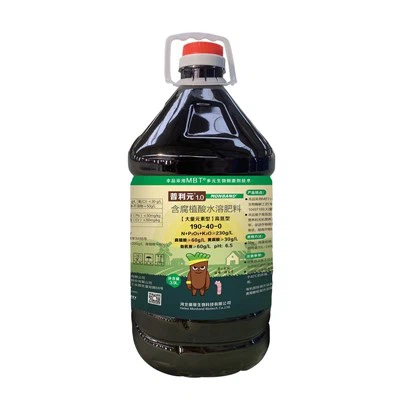
First off, let's quickly understand what microbial biostimulants are. Microbial biostimulants are products that contain beneficial microorganisms like bacteria, fungi, and algae. These little guys work wonders in the soil, interacting with plant roots and influencing various plant processes. You can learn more about them on our Microbial Biostimulants page.
Now, branching is a big deal for plants. More branches mean more leaves, more flowers, and ultimately, more fruits or better foliage. It's like a plant's way of maximizing its surface area for photosynthesis and reproduction. But can microbial biostimulants really make a difference in this department?
Well, the science behind it is pretty fascinating. Microorganisms in biostimulants can produce hormones and other bioactive substances. For example, some bacteria can produce auxins, which are plant hormones that play a crucial role in cell elongation and branching. When these hormones are released near the plant roots, they can stimulate the growth of lateral buds, leading to more branches.
Another way microbial biostimulants work is by improving nutrient uptake. They can break down complex organic matter in the soil into simpler forms that plants can easily absorb. When plants have access to more nutrients, especially nitrogen, phosphorus, and potassium, they have the energy and building blocks to grow more vigorously. This includes developing more branches.
Let's talk about some real - world examples. In a recent study on tomato plants, researchers applied a microbial biostimulant to the soil. The plants treated with the biostimulant showed a significant increase in the number of lateral branches compared to the control group. The treated plants also had a more robust root system, which is often a sign of better overall plant health.
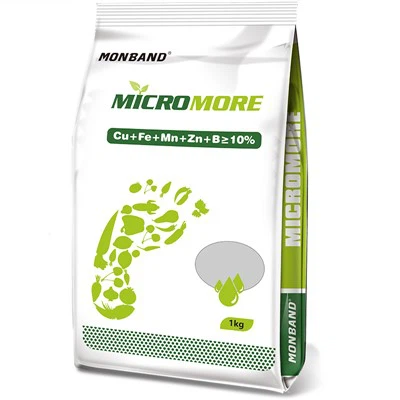
Humic Based Biostimulants, which you can check out on our Humic Based Biostimulants page, also play an important role here. Humic substances can enhance the activity of the microorganisms in the biostimulants. They can improve soil structure, making it easier for roots to penetrate and access nutrients. This, in turn, can contribute to better branching in plants.
But it's not just about tomatoes. Microbial biostimulants have been tested on a wide range of plants, from ornamental flowers to agricultural crops. In flower gardens, using biostimulants can lead to bushier plants with more blooms. For farmers, more branching in crops like wheat or corn can potentially increase yields.
However, it's important to note that the effectiveness of microbial biostimulants can vary depending on several factors. The type of plant is a big one. Some plants may respond more readily to biostimulants than others. The soil conditions also matter. If the soil is already rich in nutrients and has a healthy microbial population, the impact of biostimulants may be less dramatic. But in poor - quality soils, the difference can be quite striking.
The application method also plays a role. Whether you're using a liquid biostimulant that you spray on the leaves or a granular one that you mix into the soil, following the correct application instructions is crucial. Over - or under - applying biostimulants can lead to sub - optimal results.
In addition to improving branching, microbial biostimulants offer other benefits. They can enhance plant resistance to diseases and pests. The beneficial microorganisms can outcompete harmful pathogens in the soil, reducing the risk of infections. They can also help plants tolerate environmental stresses like drought or extreme temperatures.
So, to answer the question, yes, microbial biostimulants can improve the branching of plants. But it's a complex interaction between the microorganisms, the plants, and the environment. By using these biostimulants correctly, you can give your plants a real boost in growth and development.
If you're a gardener looking to make your flower beds more lush or a farmer aiming for higher yields, our microbial biostimulants could be the solution you've been looking for. We're here to provide you with high - quality products and expert advice. If you're interested in learning more or want to start a purchase, don't hesitate to reach out. We're always happy to have a chat and discuss how our products can meet your specific needs.


References
- [List of relevant scientific studies on microbial biostimulants and plant branching]
- [Any industry reports or white papers related to the topic]