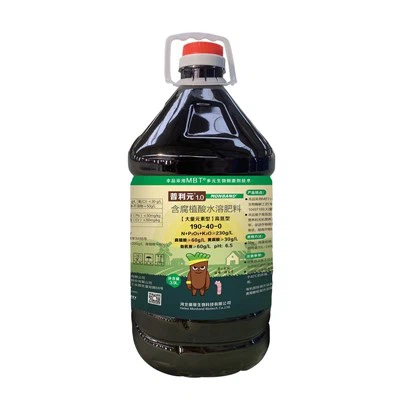
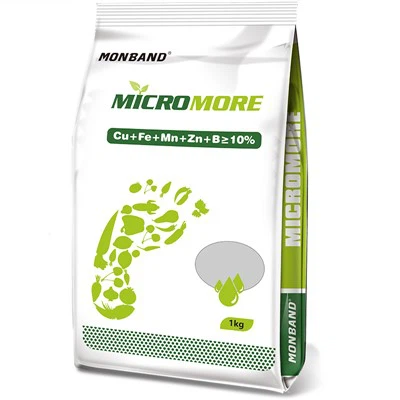
As a supplier of Tomato Water Soluble Fertilizer, I often receive inquiries from gardeners and farmers about the proper use of our products. One common question is whether it's possible to use tomato water soluble fertilizer in a container with multiple tomato plants. In this blog post, I'll delve into this topic, providing scientific insights and practical advice to help you make the most of your tomato cultivation.
Understanding Tomato Water Soluble Fertilizer
Before we address the question at hand, let's first understand what tomato water soluble fertilizer is and why it's beneficial for tomato plants. Tomato water soluble fertilizer is a type of fertilizer that can be easily dissolved in water and applied directly to the soil or foliage of tomato plants. It contains a balanced blend of essential nutrients, including nitrogen (N), phosphorus (P), and potassium (K), as well as other micronutrients such as calcium, magnesium, and iron.
These nutrients are crucial for the healthy growth and development of tomato plants. Nitrogen promotes leafy growth, phosphorus supports root development and flower formation, and potassium enhances fruit quality and disease resistance. By providing these nutrients in a readily available form, tomato water soluble fertilizer helps ensure that tomato plants receive the nutrients they need at the right time, resulting in higher yields and better-quality tomatoes.
Using Tomato Water Soluble Fertilizer in Containers
Now, let's turn our attention to the question of whether you can use tomato water soluble fertilizer in a container with multiple tomato plants. The short answer is yes, you can. In fact, using tomato water soluble fertilizer in containers is a great way to provide your tomato plants with the nutrients they need, especially if you're growing them in a limited space.
However, there are a few things to keep in mind when using tomato water soluble fertilizer in containers with multiple tomato plants. First, it's important to choose the right container size. The container should be large enough to accommodate the root systems of all the tomato plants and provide enough space for them to grow. A general rule of thumb is to use a container that is at least 5 gallons in size for each tomato plant.
Second, you need to ensure that the container has proper drainage. Tomato plants don't like to sit in water, so it's important to make sure that excess water can drain out of the container easily. You can do this by drilling holes in the bottom of the container or using a container with built-in drainage holes.
Third, you need to follow the instructions on the fertilizer package carefully. Different brands of tomato water soluble fertilizer may have different application rates and frequencies, so it's important to read the label and follow the instructions to avoid over-fertilizing or under-fertilizing your tomato plants.
Finally, it's important to monitor the growth and health of your tomato plants regularly. If you notice any signs of nutrient deficiency or over-fertilization, such as yellowing leaves or stunted growth, you may need to adjust your fertilization schedule or application rate.


Benefits of Using Tomato Water Soluble Fertilizer in Containers
Using tomato water soluble fertilizer in containers with multiple tomato plants offers several benefits. First, it allows you to provide your tomato plants with a consistent supply of nutrients throughout the growing season. Unlike traditional fertilizers, which can release nutrients slowly over time, tomato water soluble fertilizer can be applied directly to the soil or foliage of the plants, providing them with an immediate boost of nutrients.
Second, using tomato water soluble fertilizer in containers is more efficient than using traditional fertilizers. Because the fertilizer is dissolved in water, it can be easily absorbed by the roots of the plants, reducing the risk of nutrient runoff and waste.
Third, using tomato water soluble fertilizer in containers allows you to control the amount of fertilizer your tomato plants receive. This is especially important if you're growing your tomatoes in a limited space or if you're using a container with a specific soil type or pH level.
Finally, using tomato water soluble fertilizer in containers can help you grow healthier and more productive tomato plants. By providing your tomato plants with the nutrients they need at the right time, you can help them develop strong roots, healthy foliage, and abundant fruit.
Recommended Tomato Water Soluble Fertilizers
As a supplier of Tomato Water Soluble Fertilizer, I recommend using our Tomato Water Soluble Fertilizer. Our fertilizer is specifically formulated for tomato plants and contains a balanced blend of essential nutrients, including nitrogen, phosphorus, potassium, calcium, magnesium, and iron. It's also easy to dissolve in water and can be applied directly to the soil or foliage of the plants.
In addition to our Tomato Water Soluble Fertilizer, we also offer a range of other water soluble fertilizers, including Premium Water Soluble Fertilizer and All Purpose Water Soluble Fertilizer. These fertilizers are suitable for a variety of plants and can be used in both containers and in-ground gardens.
Conclusion
In conclusion, using tomato water soluble fertilizer in a container with multiple tomato plants is not only possible but also beneficial. By following the tips and recommendations outlined in this blog post, you can ensure that your tomato plants receive the nutrients they need to grow healthy and productive.
If you have any questions or need further advice on using tomato water soluble fertilizer in containers, please don't hesitate to contact us. We're here to help you make the most of your tomato cultivation and achieve the best possible results. Whether you're a home gardener or a commercial farmer, we have the products and expertise to meet your needs. Contact us today to discuss your requirements and explore how our fertilizers can enhance your tomato yields and quality.
References
- Epstein, E., & Bloom, A. J. (2005). Mineral Nutrition of Plants: Principles and Perspectives. Sinauer Associates.
- Marschner, H. (2012). Mineral Nutrition of Higher Plants. Academic Press.
- Salisbury, F. B., & Ross, C. W. (1992). Plant Physiology. Wadsworth Publishing Company.