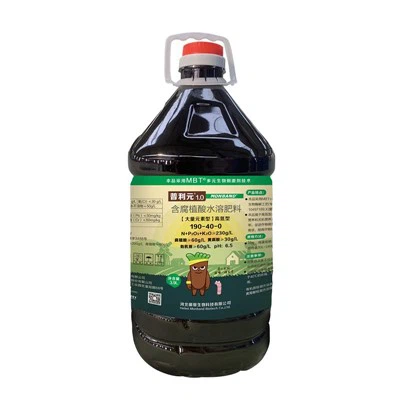
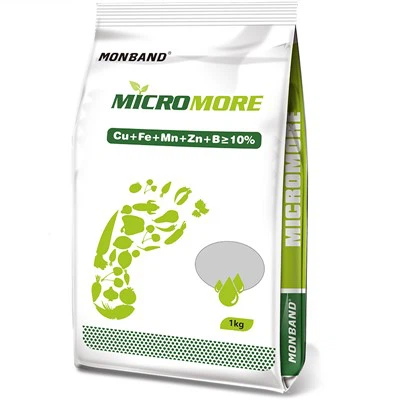
As a supplier of humic acid organic fertilizer, I am often asked whether our product can be used in rooftop gardens. The answer is a resounding yes! In this blog post, I will explore the benefits of using humic acid organic fertilizer in rooftop gardens, the types of fertilizers suitable for such environments, and how to use them effectively.
Benefits of Humic Acid Organic Fertilizer in Rooftop Gardens
Rooftop gardens face unique challenges compared to traditional ground - level gardens. They are often exposed to more extreme weather conditions, including high winds, intense sunlight, and rapid temperature fluctuations. The soil in rooftop gardens also tends to be shallower and more prone to drying out. Humic acid organic fertilizer can address many of these issues.
1. Soil Structure Improvement
Humic acid acts as a soil conditioner. It helps to bind soil particles together, creating a more stable soil structure. In rooftop gardens, where soil erosion can be a problem due to wind and water runoff, this is crucial. The improved soil structure allows for better water infiltration and retention. This means that the soil in the rooftop garden can hold onto moisture for longer periods, reducing the frequency of watering.
2. Nutrient Retention and Availability
One of the key functions of humic acid is its ability to chelate nutrients. It binds to essential nutrients such as nitrogen, phosphorus, and potassium, preventing them from leaching out of the soil. In rooftop gardens, where the soil volume is limited, nutrient leaching can quickly deplete the soil of its fertility. By retaining nutrients, humic acid ensures that plants have a steady supply of the elements they need for healthy growth. Additionally, humic acid can make nutrients more available to plants by changing their chemical form, making them easier for plant roots to absorb.
3. Plant Growth Promotion
Humic acid stimulates root growth. In rooftop gardens, where plants may have limited root space, a well - developed root system is essential for stability and nutrient uptake. Stronger roots can anchor the plants better against the wind and access nutrients and water more efficiently. It also enhances the overall health and vigor of plants, making them more resistant to diseases and pests.
4. Microbial Activity Enhancement
Humic acid provides a food source for beneficial soil microorganisms. In rooftop gardens, a healthy soil microbiome is vital for nutrient cycling and plant health. Microorganisms break down organic matter, releasing nutrients in a form that plants can use. By promoting microbial activity, humic acid helps to create a self - sustaining ecosystem in the rooftop garden soil.
Types of Humic Acid Organic Fertilizers for Rooftop Gardens
1. Humic Organic Fertilizer
Humic Organic Fertilizer is a solid - based fertilizer that contains humic acid along with other organic materials. It is a slow - release fertilizer, which means that it releases nutrients gradually over time. This is beneficial for rooftop gardens as it reduces the risk of over - fertilization and provides a long - term source of nutrients for plants. It can be incorporated into the soil during the initial setup of the rooftop garden or used as a top - dressing during the growing season.
2. Liquid Humic Acid Organic Fertilizer
Liquid Humic Acid Organic Fertilizer is a convenient option for rooftop gardens. It can be easily applied through a watering can or a sprayer. This type of fertilizer is quickly absorbed by plants, providing an immediate boost of nutrients. It is also suitable for foliar feeding, which means that it can be sprayed directly onto the leaves of plants. Foliar feeding can be particularly useful in rooftop gardens when plants need a quick nutrient fix or when the soil conditions are not optimal for nutrient uptake.
3. Humic Acid Liquid Fertilizer
Humic Acid Liquid Fertilizer is similar to liquid humic acid organic fertilizer but may have a higher concentration of humic acid. It can be used for both soil drenching and foliar application. This type of fertilizer is ideal for correcting nutrient deficiencies quickly and promoting rapid plant growth.
How to Use Humic Acid Organic Fertilizer in Rooftop Gardens
1. Soil Preparation
Before planting in a rooftop garden, it is recommended to mix Humic Organic Fertilizer into the soil. The amount of fertilizer to use depends on the type of plants and the existing soil conditions. As a general rule, add about 2 - 3 pounds of humic organic fertilizer per 100 square feet of soil. This will help to improve the soil structure and fertility right from the start.
2. Regular Application
During the growing season, liquid humic acid fertilizers can be applied at regular intervals. For Liquid Humic Acid Organic Fertilizer or Humic Acid Liquid Fertilizer, follow the manufacturer's instructions on the dilution rate. Typically, a dilution of 1 - 2 tablespoons per gallon of water is suitable for most applications. Apply the liquid fertilizer to the soil around the base of the plants or as a foliar spray every 2 - 3 weeks.
3. Adjusting Application Based on Plant Needs
Different plants have different nutrient requirements. For example, flowering plants may need more phosphorus for bud development, while leafy vegetables may require more nitrogen for lush growth. Observe the plants in the rooftop garden regularly. If you notice signs of nutrient deficiency, such as yellowing leaves or stunted growth, adjust the type or frequency of fertilizer application accordingly.


Conclusion
In conclusion, humic acid organic fertilizer is an excellent choice for rooftop gardens. It offers numerous benefits, from improving soil structure and nutrient availability to promoting plant growth and enhancing microbial activity. Whether you choose a solid - based Humic Organic Fertilizer or a liquid - based Liquid Humic Acid Organic Fertilizer or Humic Acid Liquid Fertilizer, you can expect to see healthier, more productive plants in your rooftop garden.
If you are interested in using our high - quality humic acid organic fertilizers for your rooftop garden or have any questions about our products, we encourage you to contact us for a detailed discussion. Our team of experts is ready to assist you in finding the right fertilizer solution for your specific needs.
References
- Stevenson, F. J. (1994). Humus Chemistry: Genesis, Composition, Reactions. John Wiley & Sons.
- Chen, Y., & Aviad, T. (1990). Effects of humic substances on plant growth. In Humic Substances in Soil, Sediment, and Water: Geochemistry, Isolation, and Characterization (pp. 401 - 421). Wiley - Interscience.
- Nardi, S., Pizzeghello, D., Muscolo, A., & Varanini, Z. (2002). Humic substances as biostimulants of plant growth. Advances in Agronomy, 75, 211 - 243.