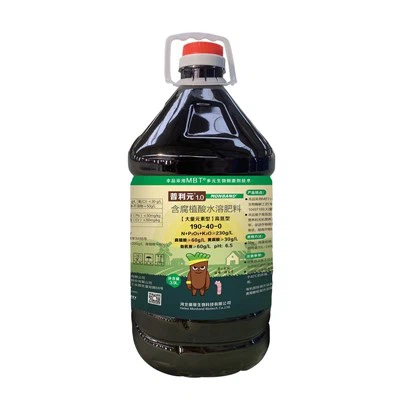
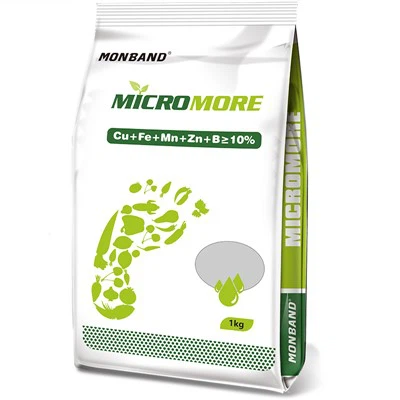
As a supplier of fertilizer with humic acid, I often get asked whether it can be mixed with other fertilizers. This is a crucial question for farmers and gardeners who are looking to optimize their fertilization strategies. In this blog post, I'll delve into the science behind mixing humic acid fertilizers with other types of fertilizers, exploring the benefits, potential issues, and best practices.
Understanding Humic Acid Fertilizers
Before we discuss mixing, let's first understand what humic acid fertilizers are. Humic acid is a natural organic substance that forms when plant and animal matter decomposes over time. It is rich in carbon and plays a vital role in soil health. Fertilizers containing humic acid, such as Humic Organic Fertilizer, Bio Humic Fertilizer, and Humic Acid Liquid Fertilizer, offer several advantages for plants.
Humic acid improves soil structure by binding soil particles together, creating a more porous and well - drained soil. This allows for better root penetration and aeration. It also enhances the soil's cation exchange capacity (CEC), which means it can hold and release nutrients more effectively. Additionally, humic acid can stimulate root growth, increase nutrient uptake by plants, and improve the overall health and vigor of crops.
Benefits of Mixing Humic Acid Fertilizers with Other Fertilizers
- Enhanced Nutrient Availability
- When humic acid fertilizers are mixed with traditional fertilizers like nitrogen (N), phosphorus (P), and potassium (K) fertilizers, they can improve the availability of these nutrients to plants. Humic acid can chelate or bind with metal ions such as iron, zinc, and manganese, preventing them from becoming insoluble and unavailable in the soil. For example, in alkaline soils, iron can easily form insoluble compounds. Humic acid can keep iron in a soluble and plant - available form, ensuring that plants can take up this essential micronutrient.
- Mixing humic acid with nitrogen fertilizers can also reduce nitrogen loss through leaching and volatilization. Humic acid can hold onto ammonium ions, slowing down their conversion to nitrate, which is more prone to leaching.
- Improved Soil Biology
- Humic acid fertilizers are often rich in organic matter, which serves as a food source for beneficial soil microorganisms. When mixed with other fertilizers, they can create a more favorable environment for these microorganisms. For instance, bio - humic fertilizers contain beneficial bacteria and fungi. Mixing them with other fertilizers can enhance the activity of these microbes, leading to better decomposition of organic matter, nutrient cycling, and disease suppression in the soil.
- Balanced Nutrition
- Different fertilizers provide different nutrients. By mixing humic acid fertilizers with other fertilizers, farmers can achieve a more balanced nutrient supply for their crops. For example, while humic acid fertilizers can improve the availability of micronutrients, traditional NPK fertilizers can supply the major nutrients in large quantities. This combination can meet the diverse nutritional needs of plants at different growth stages.
Potential Issues When Mixing
- Chemical Reactions
- Some fertilizers may react chemically when mixed with humic acid fertilizers. For example, if a highly acidic fertilizer is mixed with a humic acid - based fertilizer, it could change the pH of the mixture and potentially affect the stability and effectiveness of the humic acid. In some cases, chemical reactions may lead to the formation of insoluble precipitates, which can clog irrigation systems if the fertilizers are applied through fertigation.
- Compatibility of Forms
- Fertilizers come in different forms, such as granular, liquid, and powder. Mixing incompatible forms can be challenging. For instance, mixing a granular humic acid fertilizer with a liquid fertilizer may not result in a homogeneous mixture, which can lead to uneven nutrient distribution in the soil.
- Over - fertilization
- If not carefully calculated, mixing humic acid fertilizers with other fertilizers can lead to over - fertilization. Over - application of nutrients can cause salt build - up in the soil, damage plant roots, and contribute to environmental pollution through nutrient runoff.
Best Practices for Mixing
- Test the Soil
- Before mixing fertilizers, it is essential to conduct a soil test. A soil test can provide information about the existing nutrient levels, pH, and CEC of the soil. Based on the test results, farmers can determine the appropriate types and amounts of fertilizers to mix. For example, if the soil is already high in phosphorus, there may be no need to add a large amount of a phosphorus - containing fertilizer when mixing with humic acid fertilizer.
- Check Compatibility
- Always check the compatibility of different fertilizers before mixing. Read the product labels carefully to ensure that the fertilizers can be safely mixed. Some manufacturers provide information on fertilizer compatibility on their product packaging or websites. If in doubt, it is advisable to conduct a small - scale mixing test in a container to observe any chemical reactions or physical changes.
- Follow the Recommended Ratios
- Each fertilizer has a recommended application rate. When mixing fertilizers, it is important to follow these rates to avoid over - or under - fertilization. For example, if the recommended rate of a humic acid liquid fertilizer is 1 liter per hectare and the recommended rate of a nitrogen fertilizer is 50 kilograms per hectare, these rates should be adjusted proportionally when mixing.
- Mixing Order
- In some cases, the order of mixing can be important. For example, when mixing a liquid humic acid fertilizer with other liquid fertilizers, it is often recommended to add the humic acid fertilizer first to the mixing tank, followed by other fertilizers. This can help ensure a more homogeneous mixture.
Conclusion
In conclusion, fertilizer with humic acid can generally be mixed with other fertilizers, and doing so can offer many benefits for soil health and plant growth. However, it is crucial to be aware of the potential issues and follow best practices to ensure successful mixing. As a supplier of humic acid fertilizers, I am committed to providing high - quality products and guiding farmers and gardeners on the proper use of these fertilizers.


If you are interested in learning more about our humic acid fertilizers or have questions about mixing them with other fertilizers, I encourage you to reach out for a procurement discussion. We can work together to develop a customized fertilization plan that meets your specific needs.
References
- Brady, N. C., & Weil, R. R. (2008). The Nature and Properties of Soils. Pearson Prentice Hall.
- Stevenson, F. J. (1994). Humus Chemistry: Genesis, Composition, Reactions. Wiley - Interscience.
- Haynes, R. J., & Mokolobate, M. (2001). The role of humic substances in improving soil physical properties. Soil and Tillage Research, 61(1 - 2), 77 - 92.