

Can calcium magnesium fertilizer be used in combination with pesticides? This is a question that often arises among farmers and agricultural practitioners. As a supplier of calcium magnesium fertilizer, I have encountered numerous inquiries regarding the compatibility of our products with various pesticides. In this blog post, I will delve into this topic, providing scientific insights and practical advice based on my experience in the industry.
Understanding the Basics of Calcium Magnesium Fertilizer
Calcium magnesium fertilizer is a crucial component in modern agriculture, providing essential nutrients that promote healthy plant growth. Calcium plays a vital role in cell wall development, enhancing plant structure and resistance to diseases. Magnesium, on the other hand, is a key element in chlorophyll synthesis, which is essential for photosynthesis. Together, these nutrients contribute to improved crop quality, yield, and overall plant health.
At our company, we offer a range of high-quality calcium magnesium fertilizers that are formulated to meet the specific needs of different crops and soil conditions. Our products are carefully manufactured using advanced techniques to ensure maximum nutrient availability and efficacy. Whether you are growing fruits, vegetables, grains, or ornamental plants, our calcium magnesium fertilizers can help you achieve optimal results.
The Role of Pesticides in Agriculture
Pesticides are chemical substances used to control pests, diseases, and weeds in agricultural fields. They play a crucial role in protecting crops from damage and ensuring high yields. However, the improper use of pesticides can have negative impacts on the environment, human health, and beneficial organisms. Therefore, it is essential to use pesticides responsibly and in accordance with recommended guidelines.
There are various types of pesticides available in the market, including insecticides, fungicides, herbicides, and nematicides. Each type targets specific pests or diseases and has its own mode of action. When choosing a pesticide, it is important to consider factors such as the type of pest or disease, the crop being treated, and the environmental conditions.
Compatibility of Calcium Magnesium Fertilizer and Pesticides
The compatibility of calcium magnesium fertilizer and pesticides depends on several factors, including the chemical composition of the fertilizer and the pesticide, the application method, and the timing of application. In general, most calcium magnesium fertilizers are compatible with a wide range of pesticides. However, there are some exceptions, and it is always advisable to conduct a small-scale test before applying the two products together on a large area.

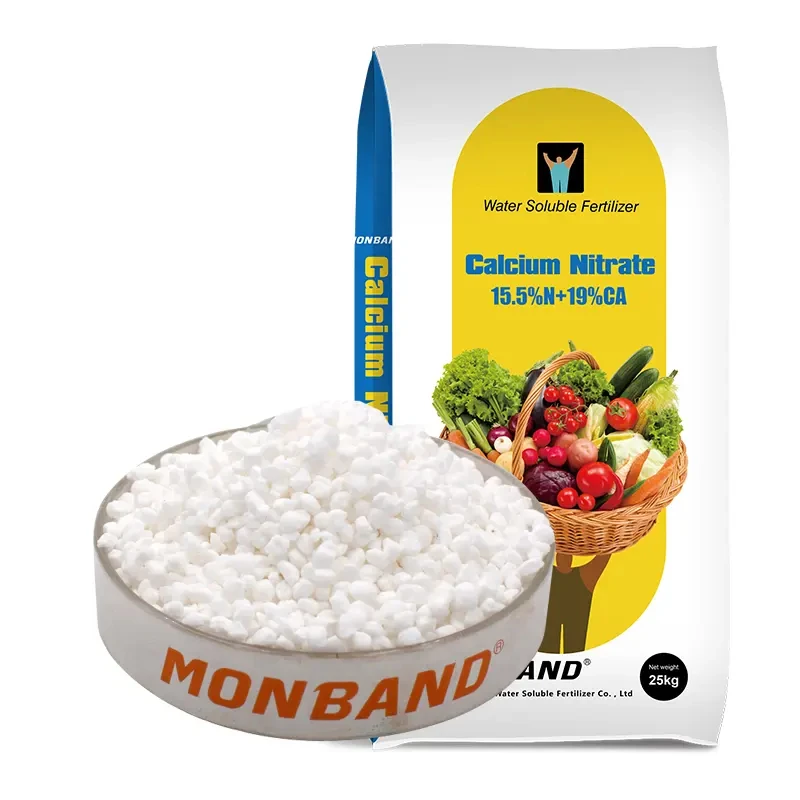
One of the main concerns when using calcium magnesium fertilizer and pesticides together is the potential for chemical reactions. Some pesticides may react with the nutrients in the fertilizer, reducing their effectiveness or causing phytotoxicity (plant damage). For example, certain pesticides containing copper or zinc may react with calcium or magnesium ions in the fertilizer, forming insoluble compounds that are not available to the plants.
Another factor to consider is the pH of the spray solution. Calcium magnesium fertilizers can affect the pH of the solution, which may in turn affect the stability and effectiveness of the pesticide. Some pesticides are more stable at a specific pH range, and any deviation from this range can reduce their efficacy. Therefore, it is important to adjust the pH of the spray solution if necessary to ensure optimal performance of both the fertilizer and the pesticide.
Practical Tips for Using Calcium Magnesium Fertilizer and Pesticides Together
Based on my experience as a calcium magnesium fertilizer supplier, I have compiled the following practical tips for using calcium magnesium fertilizer and pesticides together:
- Read the product labels: Before using any fertilizer or pesticide, carefully read the product labels to understand the instructions, precautions, and compatibility information. Look for any specific warnings or restrictions regarding the use of the product in combination with other substances.
- Conduct a small-scale test: Before applying the fertilizer and pesticide together on a large area, conduct a small-scale test on a small portion of the crop. This will help you determine if there are any adverse reactions or compatibility issues. Observe the treated plants for a few days to check for any signs of phytotoxicity or reduced efficacy.
- Follow the recommended application rates: Use the recommended application rates for both the fertilizer and the pesticide. Applying too much of either product can increase the risk of chemical reactions and phytotoxicity. Follow the instructions on the product labels and consult with a professional agronomist if you are unsure.
- Mix the products properly: When mixing the fertilizer and pesticide, follow the recommended mixing order and agitation procedures. Some products may require specific mixing ratios or the use of a particular type of sprayer. Make sure to mix the products thoroughly to ensure uniform distribution and effectiveness.
- Apply at the right time: Timing is crucial when applying fertilizer and pesticides together. Apply the products at the appropriate growth stage of the crop and under suitable environmental conditions. Avoid applying the products during extreme weather conditions, such as high temperatures, strong winds, or heavy rain, as this can reduce their effectiveness and increase the risk of phytotoxicity.
- Use compatible adjuvants: Adjuvants are substances added to the spray solution to improve the performance of the fertilizer or pesticide. When using calcium magnesium fertilizer and pesticides together, choose adjuvants that are compatible with both products. Some adjuvants may interact with the nutrients in the fertilizer or the active ingredients in the pesticide, reducing their effectiveness.
Examples of Compatible Products
To give you a better idea of the compatibility of calcium magnesium fertilizer and pesticides, here are some examples of products that are commonly used together:
- Calcium magnesium fertilizer and insecticides: Many insecticides are compatible with calcium magnesium fertilizers. For example, pyrethroid insecticides, such as lambda-cyhalothrin and cypermethrin, can be used in combination with calcium magnesium fertilizers to control a wide range of insect pests. These insecticides are generally safe for plants and do not react with the nutrients in the fertilizer.
- Calcium magnesium fertilizer and fungicides: Some fungicides are also compatible with calcium magnesium fertilizers. For instance, copper-based fungicides, such as copper sulfate and copper oxychloride, can be used in combination with calcium magnesium fertilizers to control fungal diseases. However, it is important to note that copper-based fungicides may react with the magnesium ions in the fertilizer, forming insoluble compounds. Therefore, it is advisable to conduct a small-scale test before using these products together on a large area.
- Calcium magnesium fertilizer and herbicides: In general, most herbicides are compatible with calcium magnesium fertilizers. However, some herbicides may have specific restrictions or recommendations regarding their use in combination with other substances. For example, glyphosate-based herbicides may require a waiting period before applying a fertilizer to avoid reducing the efficacy of the herbicide. Always read the product labels and follow the instructions carefully.
Conclusion
In conclusion, calcium magnesium fertilizer can be used in combination with pesticides in most cases. However, it is important to consider the compatibility of the products, follow the recommended application rates and procedures, and conduct a small-scale test before applying them together on a large area. By taking these precautions, you can ensure the effectiveness of both the fertilizer and the pesticide and minimize the risk of chemical reactions and phytotoxicity.
As a supplier of calcium magnesium fertilizer, I am committed to providing high-quality products and professional advice to our customers. If you have any questions or need further information about the compatibility of our calcium magnesium fertilizers with pesticides, please do not hesitate to contact us. We will be happy to assist you and help you achieve optimal results in your agricultural operations.
If you are interested in learning more about our other fertilizer products, such as Water Soluble Sulphur Fertilizer, Ammonium Sulphate Water Soluble Fertilizer, or Calcium Nitrate Water Soluble Fertilizer, please visit our website or contact us for more details. We look forward to the opportunity to work with you and support your agricultural needs.
References
- Brady, N. C., & Weil, R. R. (2008). The nature and properties of soils. Pearson Prentice Hall.
- Crop Protection Handbook. (2023). Meister Media Worldwide.
- Plaster, E. J. (2003). Soil science and management. Delmar Learning.


