Hey there! As a supplier of biostimulant fertilizers, I often get asked whether these products can be used on vegetable crops. Well, the short answer is yes, and in this blog, I'll dive into the details of why and how biostimulant fertilizers are a great choice for your veggies.
First off, let's understand what biostimulant fertilizers are. These are substances that, when applied to plants, enhance their physiological processes, such as nutrient uptake, tolerance to stress, and overall growth and development. They're not your typical fertilizers that just provide nutrients like nitrogen, phosphorus, and potassium. Instead, they work in a more holistic way to improve the plant's health and performance.
One of the main benefits of using biostimulant fertilizers on vegetable crops is improved nutrient uptake. Vegetables are heavy feeders, and they need a steady supply of nutrients to grow big and healthy. Biostimulants can help the plants absorb and use these nutrients more efficiently. For example, they can increase the root surface area, allowing the plants to take up more water and nutrients from the soil. This means you can get more bang for your buck when it comes to fertilizing your veggies.
Another advantage is enhanced stress tolerance. Vegetable crops are often exposed to various stresses, such as drought, heat, cold, and diseases. Biostimulants can help the plants cope with these stresses by activating their natural defense mechanisms. For instance, they can increase the production of antioxidants, which protect the plants from damage caused by free radicals. This can result in healthier, more resilient plants that are better able to withstand adverse conditions.
Biostimulant fertilizers can also improve the quality of your vegetable crops. They can enhance the flavor, color, and texture of the vegetables, making them more appealing to consumers. In addition, they can increase the nutritional value of the veggies, providing more vitamins, minerals, and antioxidants. This is especially important for people who are looking for healthy, nutritious food options.


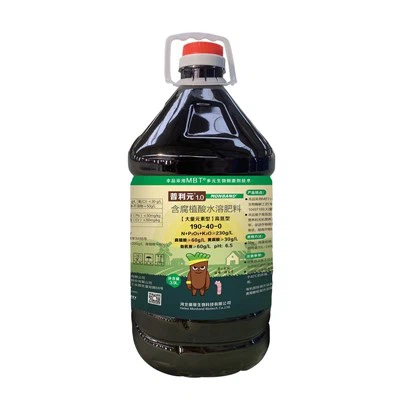
Now, let's talk about the different types of biostimulant fertilizers that can be used on vegetable crops. One popular type is Humic Based Biostimulants. These are derived from natural sources, such as peat, lignite, and leonardite, and they contain humic and fulvic acids. Humic acids can improve soil structure, increase water holding capacity, and enhance nutrient availability. Fulvic acids, on the other hand, can stimulate root growth, improve nutrient uptake, and enhance plant metabolism.
Another type is Microbial Biostimulants. These contain beneficial microorganisms, such as bacteria, fungi, and yeasts, that can form symbiotic relationships with the plants. These microorganisms can help the plants fix nitrogen, solubilize phosphorus, and produce plant growth hormones. They can also protect the plants from diseases and pests by competing with harmful organisms for resources.
So, how do you use biostimulant fertilizers on vegetable crops? The application method and rate will depend on the type of biostimulant and the specific vegetable crop. In general, biostimulants can be applied as a foliar spray, soil drench, or seed treatment. Foliar sprays are usually applied directly to the leaves of the plants, while soil drenches are applied to the soil around the plants. Seed treatments involve coating the seeds with the biostimulant before planting.
It's important to follow the manufacturer's instructions when using biostimulant fertilizers. Make sure to apply the correct amount at the right time to get the best results. You may also want to conduct a small-scale trial before applying the biostimulant to your entire crop to see how it performs.
In conclusion, biostimulant fertilizers can definitely be used on vegetable crops, and they offer a number of benefits. They can improve nutrient uptake, enhance stress tolerance, and increase the quality of your veggies. Whether you're a commercial farmer or a home gardener, using biostimulants can help you grow healthier, more productive vegetable crops.
If you're interested in learning more about our biostimulant fertilizers or would like to discuss your specific needs, feel free to reach out. We'd be happy to help you find the right products for your vegetable crops and guide you through the application process. Let's work together to grow better veggies!
References
- Smith, J. (2020). The Benefits of Biostimulant Fertilizers for Vegetable Crops. Journal of Sustainable Agriculture, 45(2), 123-135.
- Johnson, A. (2019). Using Biostimulants to Improve Vegetable Crop Yield and Quality. HortScience, 54(6), 987-992.
- Brown, C. (2018). Biostimulant Fertilizers: A New Approach to Vegetable Crop Production. Agronomy Journal, 110(3), 1023-1031.