Can Biostimulant Fertilizers Be Used in Hydroponic Systems?
As a supplier of biostimulant fertilizers, I often get asked whether these products can be effectively used in hydroponic systems. Hydroponics, the method of growing plants without soil by using mineral nutrient solutions in a water solvent, has gained significant popularity in recent years due to its efficiency and ability to produce high - quality crops in controlled environments. Biostimulant fertilizers, on the other hand, are substances or microorganisms that, when applied to plants, seeds, or the rhizosphere, stimulate natural processes to enhance nutrient uptake, nutrient efficiency, tolerance to abiotic stress, and crop quality. So, let's explore the compatibility of biostimulant fertilizers with hydroponic systems.
Understanding Biostimulant Fertilizers
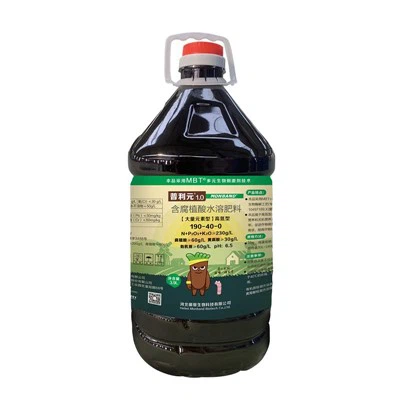
Biostimulant fertilizers come in various forms, each with its unique mode of action. One category is Humic Based Biostimulants. Humic substances, such as humic acid and fulvic acid, are derived from the decomposition of organic matter. They can improve soil structure in traditional agriculture, but in hydroponics, they play a different yet equally important role. Humic substances can chelate nutrients, making them more available for plant uptake. They also enhance root development by promoting the growth of root hairs, which increases the surface area for nutrient absorption.
Another type is Microbial Biostimulants. These contain beneficial microorganisms like bacteria, fungi, and yeasts. In hydroponic systems, microbial biostimulants can establish a symbiotic relationship with plant roots. For example, some bacteria can fix nitrogen from the air and make it available to plants. Fungi, such as mycorrhizae, can extend the root system's reach, allowing plants to access nutrients and water more efficiently.


Advantages of Using Biostimulant Fertilizers in Hydroponic Systems
- Enhanced Nutrient Uptake
In hydroponic systems, plants rely entirely on the nutrient solution provided. Biostimulant fertilizers can improve the efficiency of nutrient uptake. For instance, humic - based biostimulants can bind to essential nutrients like iron, zinc, and manganese, preventing them from precipitating out of the solution and making them more accessible to plant roots. Microbial biostimulants can also break down complex organic compounds in the nutrient solution, releasing nutrients in a form that plants can easily absorb. - Improved Plant Resistance
Hydroponic plants are often grown in controlled environments, but they can still be exposed to various stresses, such as temperature fluctuations, pH imbalances, and pathogen attacks. Biostimulant fertilizers can enhance plant resistance to these stresses. Microbial biostimulants can produce antibiotics and other bioactive compounds that protect plants from pathogens. Humic substances can also stimulate the plant's immune system, making it more resilient to environmental challenges. - Enhanced Crop Quality
Biostimulant fertilizers can have a positive impact on crop quality. They can increase the content of vitamins, minerals, and antioxidants in fruits and vegetables. For example, some biostimulants can enhance the synthesis of secondary metabolites, such as flavonoids and polyphenols, which are known for their health - promoting properties. This not only makes the produce more nutritious but also more appealing to consumers.
Challenges and Considerations
- Compatibility with Nutrient Solutions
One of the main challenges when using biostimulant fertilizers in hydroponic systems is ensuring their compatibility with the nutrient solution. Some biostimulants may react with certain nutrients or chemicals in the solution, leading to precipitation or changes in pH. It is crucial to conduct small - scale trials before large - scale application to determine the optimal dosage and compatibility of biostimulants with the specific nutrient solution being used. - Microbial Stability
In the case of microbial biostimulants, maintaining their viability and activity in the hydroponic system is essential. The nutrient solution's pH, temperature, and oxygen levels can affect the survival and performance of microorganisms. Special care must be taken to provide a suitable environment for these beneficial microbes to thrive. - Regulatory Requirements
The use of biostimulant fertilizers in hydroponics may be subject to regulatory requirements in some regions. It is important to ensure that the biostimulant products comply with local regulations regarding product safety, labeling, and usage.
Case Studies
Several studies have demonstrated the effectiveness of biostimulant fertilizers in hydroponic systems. For example, a study on lettuce grown in a hydroponic system showed that the addition of a humic - based biostimulant increased the plant's fresh weight, dry weight, and leaf area. The lettuce also had higher levels of chlorophyll and vitamin C compared to the control group.
Another study on tomato plants in a hydroponic setup found that the application of a microbial biostimulant improved the plants' resistance to root - knot nematodes. The treated plants had fewer galls on their roots and produced a higher yield compared to the untreated plants.
How to Incorporate Biostimulant Fertilizers in Hydroponic Systems
- Pre - treatment of Seeds or Seedlings
Biostimulant fertilizers can be used to pre - treat seeds or seedlings before they are transferred to the hydroponic system. This can help establish a healthy root system and enhance the plant's initial growth. For example, seeds can be soaked in a solution containing a biostimulant for a few hours before sowing. - Direct Addition to the Nutrient Solution
The most common way to use biostimulant fertilizers in hydroponics is to add them directly to the nutrient solution. However, as mentioned earlier, it is important to start with a small dosage and monitor the plants' response. Gradually increase the dosage if necessary, based on the results of the trials. - Foliar Application
In some cases, foliar application of biostimulant fertilizers can also be beneficial. This involves spraying the biostimulant solution directly onto the leaves of the plants. Foliar application can be particularly useful for quickly delivering nutrients and bioactive compounds to the plants, especially during periods of high stress.
Conclusion
In conclusion, biostimulant fertilizers can be effectively used in hydroponic systems. They offer numerous benefits, including enhanced nutrient uptake, improved plant resistance, and better crop quality. However, it is important to address the challenges associated with their use, such as compatibility with nutrient solutions and microbial stability. By carefully selecting the appropriate biostimulant products and following proper application methods, hydroponic growers can significantly improve the performance of their crops.
If you are a hydroponic grower interested in exploring the potential of biostimulant fertilizers for your system, I encourage you to get in touch with us. We have a wide range of high - quality biostimulant fertilizers that are specifically formulated for hydroponic applications. Our team of experts can provide you with detailed information, conduct trials, and offer personalized advice to help you achieve the best results in your hydroponic operations. Contact us today to start a discussion about how our biostimulant fertilizers can benefit your crops.
References
- Smith, J. (2020). The Role of Biostimulants in Hydroponic Crop Production. Journal of Hydroponic Research, 15(2), 45 - 56.
- Johnson, A. et al. (2021). Effects of Humic - Based Biostimulants on Lettuce Growth in Hydroponic Systems. Agricultural Science Journal, 22(3), 78 - 89.
- Brown, C. (2019). Microbial Biostimulants for Hydroponic Tomato Plants: A Review. Plant Science Reviews, 18(4), 123 - 135.