As a supplier of Microbial Biostimulants, I've often been asked about the regulatory landscape surrounding these innovative products. Microbial biostimulants are a relatively new and exciting addition to the agricultural industry, offering a sustainable and effective way to enhance plant growth, improve soil health, and increase crop yields. But with their growing popularity, questions about regulations have become increasingly important.
Understanding Microbial Biostimulants
Before delving into the regulations, it's essential to understand what microbial biostimulants are. Microbial biostimulants are products that contain beneficial microorganisms, such as bacteria, fungi, or yeasts, which, when applied to plants or soil, stimulate natural processes to enhance nutrient uptake, improve plant tolerance to abiotic stress, and boost overall plant health. These microorganisms can work in various ways, including fixing nitrogen, solubilizing phosphorus, producing plant growth - promoting hormones, and suppressing plant pathogens.
The Global Regulatory Landscape
The regulatory situation for microbial biostimulants varies significantly from country to country and region to region. In some areas, there are well - established regulatory frameworks, while in others, the regulations are still being developed.


Europe
In Europe, the European Union (EU) has taken significant steps to regulate biostimulants. In 2019, the EU adopted Regulation (EU) 2019/1009 on EU fertilizing products, which created a new category for biostimulants. Under this regulation, biostimulants are defined as "products which stimulate plant nutrition processes independently of the product's nutrient content with the sole aim of improving one or more of the following characteristics of the plant or the plant rhizosphere: (i) nutrient use efficiency, (ii) tolerance to abiotic stress, (iii) quality traits, or (iv) availability of confined nutrients in the soil or rhizosphere."
Microbial biostimulants fall under this category. To be placed on the EU market, biostimulant products must meet specific requirements regarding their composition, labeling, and safety. Manufacturers need to provide detailed information about the microorganisms used, their origin, and their efficacy. This regulation aims to ensure the quality, safety, and efficacy of biostimulant products across the EU.
United States
In the United States, the regulatory situation is more complex. There is no single federal agency that regulates microbial biostimulants. Instead, different agencies may be involved depending on the product's claims and composition.
The Environmental Protection Agency (EPA) may regulate microbial biostimulants if they are claimed to have pesticidal properties. For example, if a microbial biostimulant is said to suppress plant pathogens, it may be considered a pesticide and subject to EPA registration requirements.
The Food and Drug Administration (FDA) may be involved if the product is used in food - producing crops and has claims related to food safety or nutrition. Additionally, individual states may have their own regulations regarding biostimulants.
Other Regions
In other parts of the world, such as Asia, South America, and Africa, the regulatory frameworks for microbial biostimulants are still evolving. Some countries have started to develop regulations similar to those in Europe or the United States, while others are in the early stages of understanding and defining the regulatory requirements for these products.
Challenges in Regulation
One of the main challenges in regulating microbial biostimulants is the diversity of microorganisms and their functions. Unlike traditional fertilizers or pesticides, which often have well - defined chemical compositions, microbial biostimulants can contain a wide range of microorganisms, each with its own unique characteristics and modes of action.
Another challenge is proving the efficacy of these products. Microbial biostimulants may work in complex ways, and their effects can be influenced by various factors such as soil type, climate, and crop variety. Conducting reliable field trials to demonstrate their efficacy can be time - consuming and expensive.
Safety is also a crucial concern. While most microorganisms used in biostimulants are beneficial, there is a need to ensure that they do not pose a risk to human health, animal health, or the environment. This requires thorough testing and risk assessment.
Our Role as a Supplier
As a supplier of Microbial Biostimulants, we are committed to complying with all relevant regulations. We work closely with regulatory authorities to ensure that our products meet the necessary requirements.
We invest in research and development to understand the mechanisms of our microbial biostimulants better and to provide scientific evidence of their efficacy. We conduct extensive field trials in different regions and on various crops to demonstrate the performance of our products.
In addition, we provide clear and accurate labeling for our products, including information about the microorganisms used, their benefits, and the recommended application methods. This helps farmers and growers make informed decisions about using our products.
The Importance of Regulations
Regulations play a vital role in the development and growth of the microbial biostimulant industry. They provide a level playing field for manufacturers, ensuring that only high - quality and safe products are available on the market. This helps build trust among farmers and growers, who are the end - users of these products.
Regulations also contribute to the sustainable development of agriculture. By ensuring the efficacy and safety of microbial biostimulants, they encourage the adoption of these products, which can reduce the reliance on synthetic fertilizers and pesticides, leading to more environmentally friendly farming practices.
Complementary Products: Humic Based Biostimulants
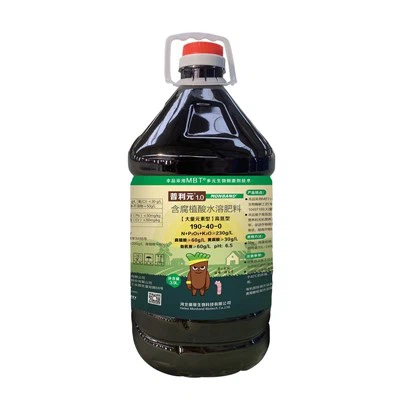
In addition to our microbial biostimulants, we also offer Humic Based Biostimulants. Humic substances are organic compounds that can improve soil structure, enhance nutrient availability, and stimulate plant growth. When combined with microbial biostimulants, they can have synergistic effects, further improving plant health and crop yields.
These humic - based biostimulants are also subject to regulations, and we ensure that they meet all the necessary quality and safety standards.
Contact Us for Procurement
If you are interested in our microbial biostimulants or humic - based biostimulants, we invite you to contact us for procurement. Our team of experts can provide you with more information about our products, including their features, benefits, and application methods. We can also assist you in determining the most suitable products for your specific agricultural needs.
By choosing our products, you are not only getting high - quality biostimulants but also supporting sustainable agriculture. We look forward to working with you to achieve better crop yields and a healthier environment.
References
- European Union. Regulation (EU) 2019/1009 of the European Parliament and of the Council of 5 June 2019 on EU fertilizing products.
- United States Environmental Protection Agency. Regulations related to pesticides and microbial products.
- Various scientific studies on the efficacy and safety of microbial biostimulants in agricultural applications.