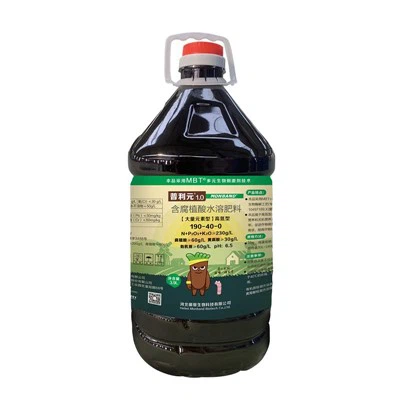
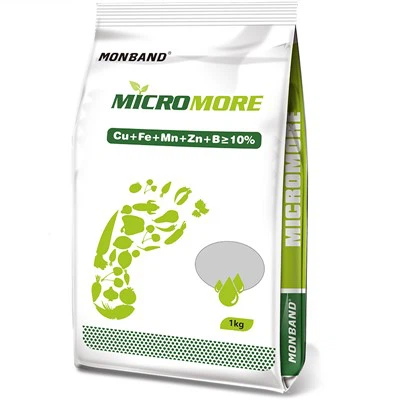
Microbial biostimulants have emerged as a promising solution in modern agriculture, offering numerous benefits such as improved plant growth, enhanced nutrient uptake, and increased stress tolerance. As a supplier of Microbial Biostimulants, I am often asked about the safety of these products for human health. In this blog post, I will delve into the scientific evidence to address this crucial question.
Understanding Microbial Biostimulants
Microbial biostimulants are products that contain beneficial microorganisms, such as bacteria, fungi, and yeasts, which can positively influence plant growth and development. These microorganisms work in symbiosis with plants, promoting root development, nutrient cycling, and the production of plant hormones. Unlike traditional fertilizers, which primarily provide nutrients to plants, microbial biostimulants enhance the plant's natural ability to absorb and utilize nutrients, leading to more sustainable and efficient agriculture.
Safety Considerations
One of the primary concerns regarding microbial biostimulants is their potential impact on human health. However, extensive research has shown that when used as directed, microbial biostimulants are generally safe for human health. Here are some key factors to consider:
1. Selection of Microorganisms
Microbial biostimulants are formulated using carefully selected microorganisms that have been thoroughly tested for their safety and efficacy. These microorganisms are typically non - pathogenic and have a long history of safe use in agriculture. For example, many microbial biostimulants contain strains of Bacillus subtilis, a bacterium that is commonly found in soil and has been used in various agricultural applications for decades. Bacillus subtilis is known for its ability to suppress plant diseases and promote plant growth, and it is considered safe for human health.
2. Mode of Application
Microbial biostimulants are usually applied to the soil or plant surfaces, where they interact with the plant's root system or foliage. They are not intended for direct human consumption. When applied correctly, the risk of human exposure to these microorganisms is minimal. For instance, in a field application, the microorganisms are quickly incorporated into the soil or plant environment, and the chances of human contact are limited.
3. Regulatory Oversight
Microbial biostimulants are subject to strict regulatory oversight in many countries. Regulatory agencies evaluate the safety and efficacy of these products before they are allowed to be marketed. They assess factors such as the identity of the microorganisms, their potential to cause harm, and the environmental impact of the product. For example, in the European Union, microbial biostimulants are regulated under the Fertilizing Products Regulation (EU) 2019/1009, which ensures that these products meet high safety and quality standards.


Scientific Evidence of Safety
Numerous scientific studies have been conducted to evaluate the safety of microbial biostimulants. These studies have consistently shown that these products do not pose a significant risk to human health.
A study published in the Journal of Applied Microbiology investigated the potential impact of a microbial biostimulant containing a mixture of beneficial bacteria on human health. The researchers exposed human cell lines to the biostimulant and found no evidence of cytotoxicity or genotoxicity. This indicates that the biostimulant did not cause damage to human cells or DNA.
Another study conducted on farm workers who were exposed to microbial biostimulants during field applications found no adverse health effects. The workers were monitored for respiratory, skin, and other health problems, and no significant differences were observed compared to a control group.
Comparison with Other Agricultural Products
When comparing microbial biostimulants with other agricultural products, such as chemical fertilizers and pesticides, microbial biostimulants offer a safer alternative. Chemical fertilizers can contaminate water sources and soil, leading to potential health risks for humans through the consumption of contaminated food and water. Pesticides, on the other hand, can be toxic to humans and non - target organisms. In contrast, microbial biostimulants are environmentally friendly and pose a lower risk to human health.
Humic Based Biostimulants and Safety
In addition to microbial biostimulants, Humic Based Biostimulants are also widely used in agriculture. Humic substances are natural organic compounds that are derived from the decomposition of plant and animal matter. They have been shown to improve soil fertility, enhance plant growth, and increase nutrient availability.
Humic based biostimulants are generally considered safe for human health. They are rich in organic matter and do not contain harmful chemicals. When used in combination with microbial biostimulants, they can provide synergistic benefits to plants, further improving plant health and productivity.
Potential Risks and Precautions
While microbial biostimulants are generally safe, it is still important to take some precautions. People with weakened immune systems or allergies may be more sensitive to certain microorganisms. Therefore, individuals with these conditions should avoid direct contact with microbial biostimulants. Additionally, it is essential to follow the manufacturer's instructions for storage, handling, and application of these products to ensure their safe use.
Conclusion
In conclusion, microbial biostimulants are a safe and sustainable option for modern agriculture. The careful selection of microorganisms, the mode of application, and the regulatory oversight all contribute to their safety for human health. Scientific evidence supports the fact that these products do not pose a significant risk to human health when used as directed.
As a supplier of Microbial Biostimulants, I am committed to providing high - quality and safe products to our customers. If you are interested in learning more about our microbial biostimulants or have any questions regarding their safety and application, please feel free to contact us for a detailed discussion and potential procurement. Our team of experts is ready to assist you in making the best choice for your agricultural needs.
References
- Journal of Applied Microbiology study on microbial biostimulant safety.
- Study on farm workers' exposure to microbial biostimulants.
- Fertilizing Products Regulation (EU) 2019/1009.