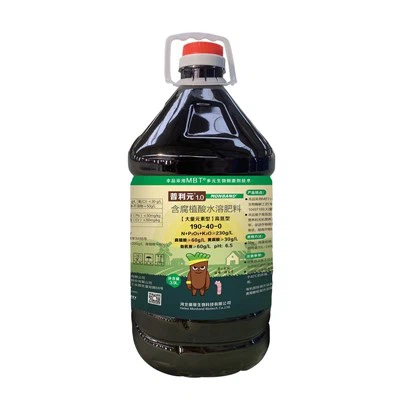
Are Humic Based Biostimulants Suitable for Hydroponic Systems?
As a supplier of Humic Based Biostimulants, I've often been asked whether these products are suitable for hydroponic systems. Hydroponics, the method of growing plants without soil using mineral nutrient solutions in a water solvent, has gained significant popularity in recent years due to its efficiency, space - saving nature, and potential for year - round cultivation. In this blog, I'll explore the suitability of humic based biostimulants in hydroponic setups from multiple perspectives.
Understanding Humic Based Biostimulants
Humic based biostimulants are derived from natural organic matter, such as decomposed plant and animal residues. They contain humic acids, fulvic acids, and humin, which have a variety of beneficial effects on plant growth. These substances can improve soil structure, enhance nutrient availability, and stimulate plant physiological processes.
In hydroponic systems, where the growing medium is typically inert (like perlite, coconut coir, or rockwool), the role of humic based biostimulants can be quite different from traditional soil - based agriculture. But their unique properties still offer several potential advantages.
Benefits of Humic Based Biostimulants in Hydroponics
Nutrient Uptake
One of the primary benefits of using humic based biostimulants in hydroponic systems is their ability to enhance nutrient uptake. Humic and fulvic acids can chelate or bind to essential nutrients such as iron, zinc, and manganese. This chelation process makes these nutrients more soluble and available for plant roots to absorb. In hydroponics, where the nutrient solution is carefully balanced, this can prevent nutrient deficiencies and improve overall plant health. For example, iron is often a limiting nutrient in hydroponic systems, and humic substances can keep iron in a form that is easily taken up by plants, reducing the risk of iron - chlorosis (yellowing of leaves).


Root Development
Humic based biostimulants can also promote root development. They stimulate root growth by increasing the number and length of root hairs. In hydroponics, a well - developed root system is crucial for efficient nutrient and water uptake. The enhanced root growth can lead to stronger, more resilient plants that are better able to withstand environmental stresses such as temperature fluctuations and disease pressure. Additionally, a larger root surface area allows plants to access more of the nutrient solution, improving overall growth and productivity.
Stress Tolerance
Plants in hydroponic systems can face various stresses, including high salinity in the nutrient solution, pH fluctuations, and pathogen attacks. Humic based biostimulants can help plants cope with these stresses. They can improve the plant's antioxidant defense system, reducing the damage caused by reactive oxygen species (ROS) generated under stress conditions. For instance, in a hydroponic system with high salinity, humic substances can help plants maintain proper water balance and reduce the toxic effects of salt ions.
Microbial Activity
Although hydroponic systems are often considered sterile environments, there is still a complex microbial community associated with the roots and the nutrient solution. Humic based biostimulants can support the growth of beneficial microorganisms. These microbes can play a vital role in nutrient cycling, disease suppression, and plant growth promotion. For example, some bacteria and fungi can break down organic matter in the humic substances, releasing additional nutrients for the plants. They can also produce growth - promoting substances such as auxins and cytokinins.
Challenges and Considerations
Compatibility with Nutrient Solutions
One of the main challenges when using humic based biostimulants in hydroponics is their compatibility with the nutrient solution. Humic substances can react with certain nutrients and chemicals in the solution, potentially causing precipitation or changes in pH. For example, humic acids can form insoluble complexes with calcium and magnesium under certain pH conditions. This can lead to clogging of the hydroponic system's tubing and filters, as well as nutrient imbalances in the solution. Therefore, it's essential to carefully test the compatibility of the humic based biostimulant with the specific nutrient solution being used.
Dosage and Application
Determining the correct dosage of humic based biostimulants is crucial. Over - application can lead to excessive organic matter in the nutrient solution, which can promote the growth of harmful microorganisms and cause oxygen depletion in the solution. On the other hand, under - application may not provide the desired benefits. It's recommended to start with a low dosage and gradually increase it while monitoring plant growth and the condition of the nutrient solution.
Interaction with Other Biostimulants
In some cases, growers may use multiple biostimulants in their hydroponic systems. When using humic based biostimulants in combination with Microbial Biostimulants, it's important to understand their potential interactions. Some microbial biostimulants may work synergistically with humic substances, enhancing their effects on plant growth and health. However, there could also be antagonistic interactions, so careful testing and monitoring are required.
Case Studies and Research Findings
Several studies have investigated the use of humic based biostimulants in hydroponic systems. For example, a study on lettuce grown in a hydroponic system found that the addition of humic acid to the nutrient solution increased plant biomass, leaf area, and chlorophyll content. Another research on tomato plants in hydroponics showed that humic substances improved fruit quality, including higher vitamin C content and better taste.
These case studies demonstrate the potential of humic based biostimulants to improve the performance of hydroponic crops. However, more research is still needed to fully understand the long - term effects and optimize their use in different hydroponic setups.
Conclusion
In conclusion, humic based biostimulants can be a valuable addition to hydroponic systems. Their ability to enhance nutrient uptake, promote root development, improve stress tolerance, and support microbial activity makes them suitable for improving plant growth and productivity. However, growers need to be aware of the challenges, such as compatibility with nutrient solutions and proper dosage, and take appropriate measures to ensure successful application.
If you're a hydroponic grower looking to improve the performance of your crops, I encourage you to consider using our high - quality Humic Based Biostimulants. We're committed to providing the best products and technical support to help you achieve optimal results in your hydroponic operations. If you have any questions or would like to discuss potential procurement, please feel free to reach out. We're eager to start a conversation and explore how our products can meet your specific needs.
References
- Chen, Y., & Aviad, T. (1990). The role of humic substances in plant growth. In Humic substances in soil, sediment, and water: Geochemistry, isolation, and characterization (pp. 401 - 421). Wiley.
- Nardi, S., Pizzeghello, D., Rautio, A., & Muscolo, A. (2002). Humic substances as biostimulants of plant growth. Advances in Agronomy, 75, 211 - 243.
- Zhang, F., & Schmidt, S. (1999). Humic substances increase root growth and nutrient uptake of maize plants grown in nutrient solution. Biology and Fertility of Soils, 29(1), 1 - 7.