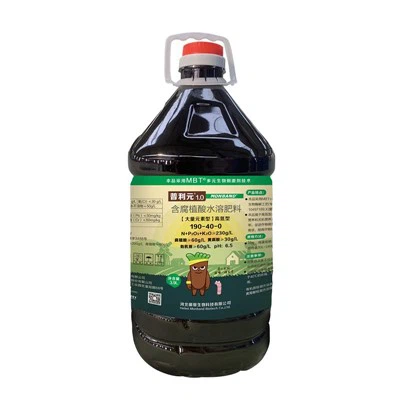
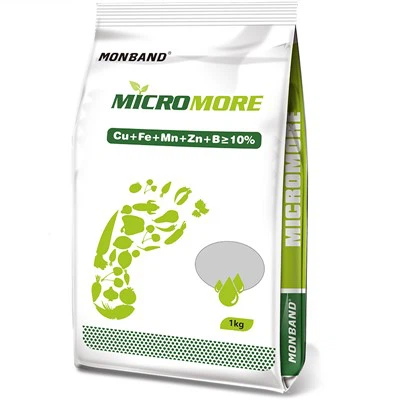
As a supplier of Humic Based Biostimulants, I've received numerous inquiries from farmers, gardeners, and agricultural enthusiasts about the impact of sunlight exposure on these products. In this blog, I'll delve into the scientific aspects of how sunlight can affect humic based biostimulants and what it means for their application in the field.
Understanding Humic Based Biostimulants
Humic Based Biostimulants are a class of products derived from humic substances, which are organic compounds formed through the decomposition of plant and animal matter over long periods. These biostimulants contain humic acid, fulvic acid, and other beneficial substances that can enhance plant growth, improve soil structure, and increase nutrient uptake. Humic Based Biostimulants have gained popularity in recent years due to their environmentally friendly nature and ability to promote sustainable agriculture.
The Role of Sunlight in the Environment
Sunlight is a crucial factor in the growth and development of plants. It provides the energy needed for photosynthesis, the process by which plants convert carbon dioxide and water into glucose and oxygen. However, sunlight also contains ultraviolet (UV) radiation, which can have both positive and negative effects on living organisms.
Effects of Sunlight Exposure on Humic Based Biostimulants
Chemical Degradation
One of the primary concerns regarding sunlight exposure is the potential for chemical degradation of humic based biostimulants. UV radiation can break down the chemical bonds in humic substances, leading to a reduction in their molecular weight and a change in their chemical properties. This degradation can result in a loss of the biostimulant's effectiveness, as the active components may be altered or destroyed.


Several studies have investigated the impact of UV radiation on humic acids. For example, research has shown that prolonged exposure to UV light can cause a decrease in the aromaticity of humic acids, which is an important characteristic related to their ability to chelate nutrients and interact with plant roots. Additionally, UV radiation can lead to the formation of free radicals in humic substances, which can further damage the molecules and reduce their stability.
Microbial Activity
Humic based biostimulants often contain beneficial microorganisms that play a crucial role in enhancing soil fertility and plant health. Sunlight exposure can have a significant impact on the survival and activity of these microorganisms.
UV radiation can be harmful to many microorganisms, as it can damage their DNA and other cellular components. High levels of sunlight can reduce the population of beneficial bacteria and fungi in the biostimulant, leading to a decrease in their ability to perform important functions such as nitrogen fixation, phosphorus solubilization, and disease suppression.
On the other hand, some microorganisms are more resistant to UV radiation than others. For example, certain strains of bacteria and fungi have developed protective mechanisms, such as the production of pigments or antioxidants, to withstand the harmful effects of sunlight. Therefore, the impact of sunlight on microbial activity in humic based biostimulants may depend on the specific microorganisms present in the product.
Physical Changes
Sunlight exposure can also cause physical changes in humic based biostimulants. For instance, high temperatures associated with sunlight can lead to evaporation of water from the product, resulting in a concentration of the active components. This concentration can potentially increase the effectiveness of the biostimulant, but it can also lead to the formation of aggregates or clumps, which may make the product difficult to apply evenly.
Mitigating the Effects of Sunlight Exposure
Storage
Proper storage of humic based biostimulants is essential to minimize the effects of sunlight exposure. It is recommended to store these products in a cool, dark place, away from direct sunlight. This can help to preserve the chemical integrity of the biostimulant and maintain the viability of the beneficial microorganisms.
Application Timing
When applying humic based biostimulants, it is advisable to choose a time of day when sunlight intensity is low. Early morning or late afternoon are typically the best times to apply these products, as the UV radiation levels are lower during these periods. Additionally, applying the biostimulant during overcast days or in shaded areas can also reduce the risk of sunlight-induced degradation.
Formulation
Some manufacturers are developing formulations of humic based biostimulants that are more resistant to sunlight exposure. For example, encapsulation techniques can be used to protect the active components from UV radiation and other environmental factors. These encapsulated products can provide a more stable and effective delivery system for the biostimulant, ensuring that it remains active in the soil for a longer period of time.
Conclusion
In conclusion, sunlight exposure can have a significant impact on the effectiveness of humic based biostimulants. Chemical degradation, microbial activity, and physical changes are all potential consequences of prolonged exposure to sunlight. However, by taking appropriate measures such as proper storage, application timing, and using suitable formulations, the negative effects of sunlight can be minimized.
As a supplier of Humic Based Biostimulants, we are committed to providing high-quality products that are formulated to withstand the challenges of the environment. If you have any questions or would like to learn more about our products, please feel free to contact us for a discussion about your procurement needs. We look forward to working with you to enhance the productivity and sustainability of your agricultural operations.
References
- Senesi, N., & Loffredo, E. (1999). Photochemical degradation of humic substances: implications for the fate of organic contaminants in the environment. Environmental Science & Technology, 33(12), 2039-2045.
- Burns, R. G., DeForest, J. L., Marxsen, J., et al. (2013). Soil enzymes in a changing environment: Current knowledge and future directions. Soil Biology and Biochemistry, 58, 216-234.
- Compant, S., Clément, C., & Sessitsch, A. (2010). Plant growth-promoting bacteria in the rhizo- and endosphere of plants: Their role, colonization, mechanisms involved and prospects for utilization. Soil Biology and Biochemistry, 42(5), 669-678.