

In the realm of modern agriculture and gardening, choosing the right fertilizers is crucial for healthy plant growth and bountiful yields. Two popular options that often come up in discussions are organic soluble fertilizers and compost tea. As a supplier of organic soluble fertilizers, I've had numerous conversations with customers about these two products, and I'm excited to share my insights on their differences.
Composition and Nutrient Content
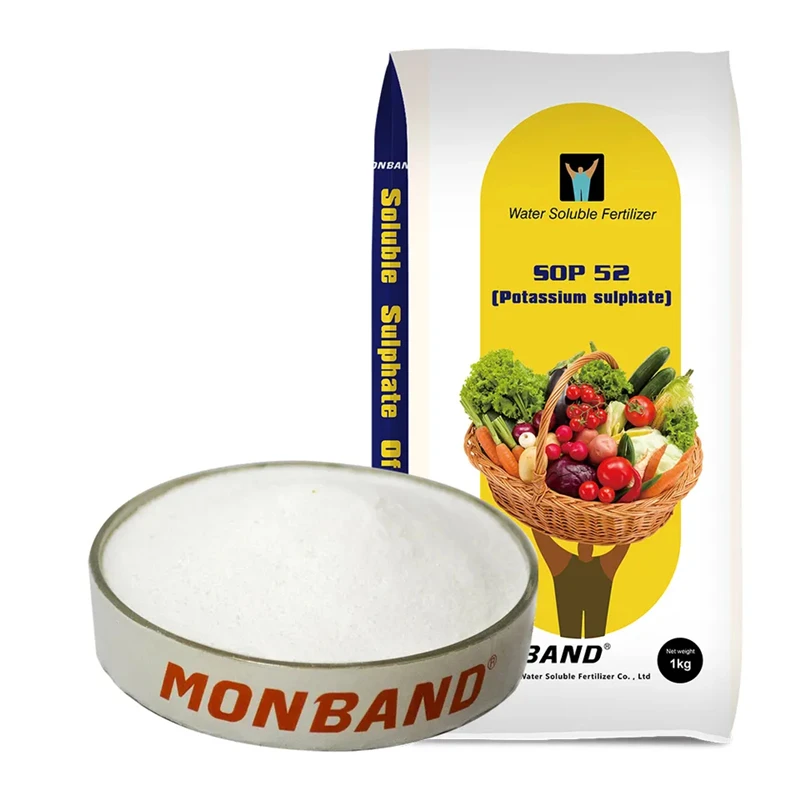
Organic soluble fertilizers are formulated to dissolve quickly in water, providing an immediate nutrient boost to plants. These fertilizers are typically made from natural sources such as seaweed extracts, fish emulsions, bone meal, and blood meal. They are carefully processed to ensure that the nutrients are in a form that plants can easily absorb. For example, Water Soluble Balanced Fertilizer is a type of organic soluble fertilizer that contains a balanced ratio of nitrogen, phosphorus, and potassium (NPK), along with other essential micronutrients like calcium, magnesium, and iron.
On the other hand, compost tea is a liquid extract made by steeping compost in water. The compost used can be made from a variety of organic materials, including kitchen scraps, yard waste, and manure. During the steeping process, beneficial microorganisms in the compost multiply and release nutrients into the water. Compost tea is rich in organic matter, beneficial bacteria, fungi, and enzymes, which can improve soil structure, enhance nutrient availability, and suppress plant diseases. However, the nutrient content of compost tea can vary widely depending on the quality of the compost and the brewing method used.

Nutrient Release and Availability
One of the key differences between organic soluble fertilizers and compost tea is the way they release nutrients. Organic soluble fertilizers are designed to provide a quick and concentrated dose of nutrients to plants. When dissolved in water and applied to the soil or foliage, the nutrients are immediately available for plant uptake. This makes them ideal for providing a rapid response to nutrient deficiencies or for promoting growth during critical stages of plant development.
Compost tea, on the other hand, releases nutrients more slowly over time. The beneficial microorganisms in the tea help to break down organic matter in the soil, releasing nutrients gradually as they are needed by the plants. This slow-release mechanism can help to prevent nutrient leaching and ensure a more consistent supply of nutrients to the plants. Additionally, the microorganisms in compost tea can form symbiotic relationships with plant roots, improving nutrient uptake and overall plant health.
Application Methods
Organic soluble fertilizers are typically applied through irrigation systems, such as drip irrigation or sprinklers, or by foliar spraying. When applied through irrigation, the fertilizer is evenly distributed throughout the root zone, ensuring that all plants receive an adequate supply of nutrients. Foliar spraying, on the other hand, allows the nutrients to be absorbed directly through the leaves, providing a quick and effective way to address nutrient deficiencies.
Compost tea can be applied in a variety of ways, including soil drenching, foliar spraying, and seed soaking. Soil drenching involves pouring the compost tea directly onto the soil around the base of the plants. This method helps to introduce beneficial microorganisms into the soil and improve soil health. Foliar spraying with compost tea can help to protect plants from diseases and pests, as well as provide a boost of nutrients to the leaves. Seed soaking in compost tea can enhance germination rates and promote healthy seedling growth.
Environmental Impact
Both organic soluble fertilizers and compost tea are considered environmentally friendly alternatives to synthetic fertilizers. Organic soluble fertilizers are made from natural materials and do not contain harmful chemicals or synthetic additives. They are biodegradable and can help to improve soil fertility and structure over time. Additionally, because they are applied in a concentrated form, they can reduce the amount of fertilizer needed, minimizing the risk of nutrient runoff and pollution.
Compost tea is also an environmentally sustainable option. By using compost, which is a renewable resource, to make the tea, we can reduce the amount of organic waste sent to landfills. The beneficial microorganisms in compost tea can help to break down organic matter in the soil, reducing the need for chemical fertilizers and pesticides. Additionally, compost tea can improve soil water-holding capacity, reducing the need for irrigation and conserving water.
Cost and Availability
The cost of organic soluble fertilizers and compost tea can vary depending on a number of factors, including the brand, the nutrient content, and the quantity purchased. Generally, organic soluble fertilizers tend to be more expensive than compost tea, especially if they are formulated with high-quality ingredients. However, because they are more concentrated and provide a quicker response, they may be more cost-effective in the long run, especially for large-scale agricultural operations.
Compost tea, on the other hand, can be made at home using relatively inexpensive materials. All you need is a source of compost, water, and a container to brew the tea. However, if you don't have the time or resources to make your own compost tea, you can also purchase it from garden centers or online retailers. While the cost of commercially available compost tea may be lower than that of organic soluble fertilizers, it may not be as readily available in all areas.
Which One Should You Choose?
The choice between organic soluble fertilizers and compost tea depends on a number of factors, including your specific gardening or agricultural needs, the type of plants you are growing, and your budget. If you are looking for a quick and easy way to provide a concentrated dose of nutrients to your plants, especially during periods of rapid growth or when addressing nutrient deficiencies, organic soluble fertilizers may be the better option. They are also a good choice for large-scale operations where efficiency and uniformity are important.
If you are more interested in improving soil health, promoting beneficial microorganisms, and reducing your environmental impact, compost tea may be the way to go. Compost tea can be used as a supplement to organic soluble fertilizers or as a standalone product. It is also a great option for home gardeners who want to make their own fertilizers using natural materials.
In conclusion, both organic soluble fertilizers and compost tea have their own unique advantages and disadvantages. As a supplier of Water Soluble Fertilizer Bunnings and All Purpose Water Soluble Fertilizer, I believe that a combination of these two products can provide the best results for your plants. By using organic soluble fertilizers to provide a quick nutrient boost and compost tea to improve soil health and promote beneficial microorganisms, you can create a healthy and sustainable growing environment for your plants.
If you have any questions about our organic soluble fertilizers or would like to discuss your specific gardening or agricultural needs, please feel free to contact us. We are always happy to help you find the right products for your plants and provide you with the support and advice you need to achieve success.
References
- "The Compost Tea Brewing Manual" by Dr. Elaine Ingham
- "Organic Fertilizers: An Introduction" by the Organic Materials Review Institute
- "Soil Biology Primer" by the Natural Resources Conservation Service


