

Hey there, fellow gardeners and farmers! I'm a supplier of Humic Acid Organic Fertilizer, and I'm super stoked to chat with you about the best time to use this amazing product.
Let's start by getting to know what humic acid organic fertilizer is all about. It's a natural, organic substance that's made from decomposed plant and animal matter. This fertilizer is packed with nutrients like nitrogen, phosphorus, and potassium, along with a bunch of trace elements. It also helps improve soil structure, water retention, and nutrient availability to plants.
During Soil Preparation
One of the prime times to apply humic acid organic fertilizer is during soil preparation. Whether you're starting a new garden bed or getting an existing field ready for a new planting season, this is a great opportunity. When you're tilling or digging the soil, mixing in the Humic Organic Fertilizer helps it get evenly distributed.
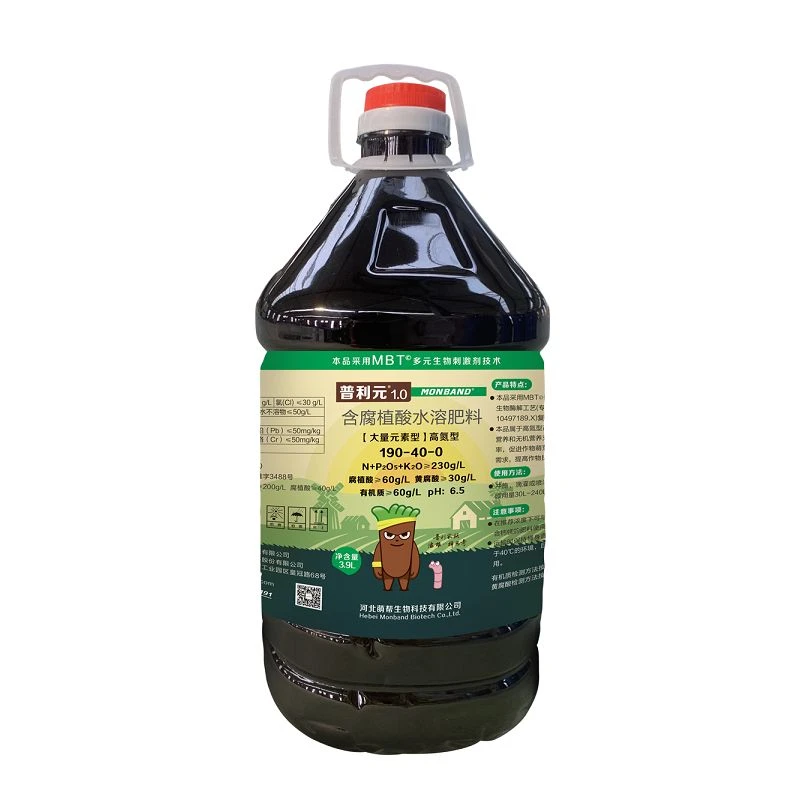

This early application allows the fertilizer to start working its magic right away. It breaks down slowly, releasing nutrients over time. The humic acid in it also helps to loosen compacted soil, which is a big deal because it allows plant roots to penetrate more easily. For example, if you're growing vegetables like carrots or radishes, they need loose soil to develop those nice, long roots.
Before Planting Seeds or Transplants
Right before you plant your seeds or transplant seedlings, it's also a smart move to apply humic acid organic fertilizer. When you make a furrow for your seeds or dig holes for transplants, sprinkle a little bit of the fertilizer in there. This gives the young plants a nutrient - rich environment to start their growth.
The humic acid acts as a kind of "boost" for the seeds. It can enhance germination rates by providing the necessary nutrients and improving the soil's ability to hold moisture. For transplants, it helps reduce transplant shock. When you move a young plant from a pot to the ground, it can be a bit stressed. The humic acid in the fertilizer helps the roots to adapt to the new soil conditions more quickly.
During the Vegetative Growth Stage
Once your plants are up and growing, the vegetative growth stage is another crucial time to use humic acid organic fertilizer. This is when plants are focusing on growing leaves, stems, and roots. Applying Humic Liquid Fertilizer during this stage can really give them a push.
You can use it as a foliar spray or apply it to the soil around the base of the plants. As a foliar spray, the nutrients are absorbed directly through the leaves, giving the plants an instant dose of goodness. When applied to the soil, the humic acid helps the plants take up more nutrients from the ground. It chelates nutrients, which means it binds to them in a way that makes them more available to the plants. This is especially important for nutrients like iron, zinc, and manganese, which can be a bit tricky for plants to access in some soils.
Before Flowering and Fruit Set
If you're growing plants that produce flowers and fruits, applying humic acid organic fertilizer before the flowering and fruit - set stage is key. This helps to ensure that your plants have enough energy to produce healthy flowers and then develop into fruits.
The fertilizer promotes better flower formation. It can increase the number of flowers and improve their quality. When the flowers are healthier, there's a better chance of successful pollination. And once pollination occurs, the plants are more likely to set high - quality fruits. For example, in tomato plants, using humic acid fertilizer before flowering can lead to more tomatoes per plant and bigger, tastier fruits.
In the Fall for Perennial Plants
For perennial plants, the fall is a great time to apply humic acid organic fertilizer. As the plants start to go dormant for the winter, they're still absorbing nutrients to store for the next growing season. Applying the fertilizer in the fall helps to build up those nutrient reserves.
It also helps to improve the soil structure over the winter months. The humic acid continues to break down and interact with the soil, making it more fertile and better able to support the plants when they start growing again in the spring. For trees and shrubs, this can mean stronger root systems and more vigorous growth in the following year.
Factors to Consider
Now, it's important to note that there are some factors you need to consider when deciding the best time to apply humic acid organic fertilizer. The type of soil you have plays a role. If you have sandy soil, it drains quickly and may need more frequent applications because nutrients can leach out faster. On the other hand, if you have clay soil, it holds onto nutrients better but can be more compacted, so applying the fertilizer during soil preparation is even more crucial.
The type of plants you're growing also matters. Different plants have different nutrient requirements and growth cycles. For example, leafy greens like lettuce and spinach may benefit more from an early and continuous supply of nutrients, while root vegetables have different needs during their growth phases.
Weather conditions are another factor. It's best to apply the fertilizer when the weather is mild and there's a good chance of some rain or when you can water the area well after application. This helps the fertilizer to dissolve and reach the plant roots.
Conclusion
So, as you can see, there are several great times to apply humic acid organic fertilizer. Whether it's during soil preparation, before planting, during the growth stages, or in the fall for perennials, each application has its own benefits.
If you're interested in trying out our high - quality humic acid organic fertilizers, I encourage you to reach out. We're always happy to have a chat about your specific needs and how our products can work for you. Whether you're a small - scale home gardener or a large - scale farmer, we've got the right product for you. Don't hesitate to contact us to start a purchase negotiation.
References
- Brady, N. C., & Weil, R. R. (2002). The Nature and Properties of Soils. Prentice Hall.
- Stevenson, F. J. (1994). Humus Chemistry: Genesis, Composition, Reactions. Wiley - Interscience.


