

Hey there! As a supplier of Water Soluble Potash Fertilizer, I often get asked about its safety for humans and animals. It's a super important question, and I'm here to break it down for you in plain English.
First off, let's talk about what water - soluble potash fertilizer is. Water Soluble Potash Fertilizer is a type of fertilizer that dissolves easily in water. This makes it super convenient for farmers and gardeners to use. You can just mix it with water and apply it directly to the soil or plants. It provides potassium, which is an essential nutrient for plant growth. Potassium helps plants with things like water regulation, enzyme activation, and protein synthesis. You can learn more about it here.
Now, let's get to the big question: is it safe for humans and animals?
Safety for Humans
When it comes to humans, water - soluble potash fertilizer is generally safe if used properly. In normal agricultural or gardening applications, the risk of direct exposure is relatively low. The fertilizer is usually applied to the soil or sprayed on plants, and as long as you follow the recommended safety precautions, you should be fine.
However, if someone were to accidentally ingest a large amount of the fertilizer, it could cause some problems. Potassium is an important mineral for our bodies, but too much of it can lead to hyperkalemia, a condition where there's too much potassium in the blood. Symptoms of hyperkalemia can include nausea, vomiting, weakness, and in severe cases, it can affect the heart rhythm.
But here's the thing: it's highly unlikely that someone would accidentally eat a large quantity of the fertilizer. Most people know not to eat random substances in the garden. And if you're handling the fertilizer, wearing gloves and washing your hands thoroughly after use can prevent any potential skin absorption or accidental ingestion.
In addition, the fertilizer is often used in a diluted form when mixed with water for application. This further reduces the concentration of potassium and the associated risks.
Safety for Animals
Animals are also generally safe around water - soluble potash fertilizer when it's used as directed. In a farm or garden setting, animals might come into contact with the soil or plants that have been treated with the fertilizer. But usually, the amount of potassium that they're exposed to is not harmful.
For example, if you have livestock grazing in a field where the fertilizer has been applied, they're likely to pick up only small amounts of the fertilizer through the grass. And animals' bodies are capable of handling normal levels of potassium intake.

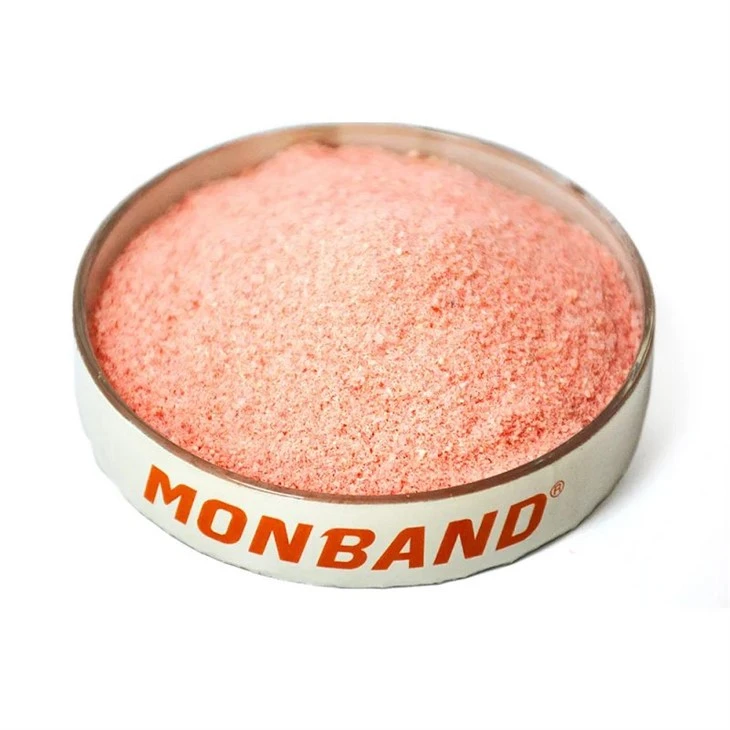
However, just like with humans, if an animal were to consume a large amount of the undiluted fertilizer, it could lead to problems. Some animals might be more sensitive than others. For instance, pets like dogs and cats might be more curious and could potentially ingest the fertilizer if it's left out in an accessible area. So, it's important to store the fertilizer in a secure place and clean up any spills promptly.
Types of Water - Soluble Potash Fertilizers
There are different types of water - soluble potash fertilizers, and each has its own characteristics. For example, High Potassium Water Soluble Fertilizer is designed to provide a higher concentration of potassium. This can be great for plants that have a high demand for potassium, like fruit - bearing plants.
On the other hand, High Nitrogen Water Soluble Fertilizer contains a higher amount of nitrogen along with potassium. This type of fertilizer is useful for promoting leafy growth in plants.
The safety profile of these different types is similar to the general water - soluble potash fertilizer. As long as they're used according to the instructions, the risks to humans and animals are minimal.
Safety Precautions
To ensure the safety of both humans and animals when using water - soluble potash fertilizer, here are some simple precautions:
- Read the label: Always read the product label carefully before using the fertilizer. It will provide you with important information about proper use, dosage, and safety precautions.
- Wear protective gear: When handling the fertilizer, wear gloves, long - sleeved shirts, and safety goggles. This can prevent skin contact and eye irritation.
- Store properly: Keep the fertilizer in a cool, dry place, out of reach of children and animals. Make sure the container is tightly sealed to prevent spills.
- Clean up spills: If there's a spill, clean it up immediately. Use a broom or a shovel to collect the spilled fertilizer and dispose of it properly.
- Keep animals away during application: When you're applying the fertilizer, keep pets and livestock away from the area until the fertilizer has been properly incorporated into the soil or the spray has dried.
Our Commitment as a Supplier
As a supplier of water - soluble potash fertilizer, we're committed to providing high - quality products that are safe for both humans and animals. We follow strict manufacturing standards to ensure the purity and quality of our fertilizers. Our products are tested regularly to meet the required safety and quality benchmarks.
We also provide detailed instructions and safety information with every product we sell. We want our customers to use our fertilizers with confidence, knowing that they're using a safe and effective product.
If you have any questions about the safety of our water - soluble potash fertilizer or need more information about proper use, don't hesitate to reach out to us. We're here to help you make the most of our products while keeping everyone safe.
Conclusion
In conclusion, water - soluble potash fertilizer is generally safe for humans and animals when used properly. By following the recommended safety precautions, you can minimize any potential risks. Whether you're a large - scale farmer or a home gardener, our water - soluble potash fertilizer can help you grow healthy plants without posing a significant threat to you or your furry friends.
If you're interested in purchasing our water - soluble potash fertilizer or want to discuss your specific needs, feel free to get in touch. We're always happy to have a chat and help you find the right fertilizer for your situation.
References
- Textbooks on agricultural chemistry
- Safety data sheets provided by fertilizer manufacturers
- Research studies on the effects of potassium on human and animal health


