

Soil pH is a critical factor in agriculture, influencing nutrient availability, microbial activity, and overall plant health. As a supplier of Humic Liquid Fertilizer, I've witnessed firsthand the transformative impact this product can have on soil pH and, by extension, crop yields. In this blog post, I'll delve into the science behind how humic liquid fertilizer affects soil pH and why it's a game-changer for farmers and gardeners alike.
Understanding Soil pH
Before we explore the impact of humic liquid fertilizer on soil pH, it's essential to understand what soil pH is and why it matters. Soil pH is a measure of the acidity or alkalinity of the soil, ranging from 0 to 14. A pH of 7 is considered neutral, while values below 7 indicate acidic soil, and values above 7 indicate alkaline soil.
Most plants prefer a slightly acidic to neutral soil pH, typically between 6.0 and 7.0. This range allows for optimal nutrient availability, as many essential nutrients, such as nitrogen, phosphorus, and potassium, are most readily absorbed by plants within this pH range. When the soil pH is too high or too low, certain nutrients can become locked up in the soil, making them unavailable to plants. This can lead to nutrient deficiencies, poor plant growth, and reduced crop yields.
How Humic Liquid Fertilizer Affects Soil pH
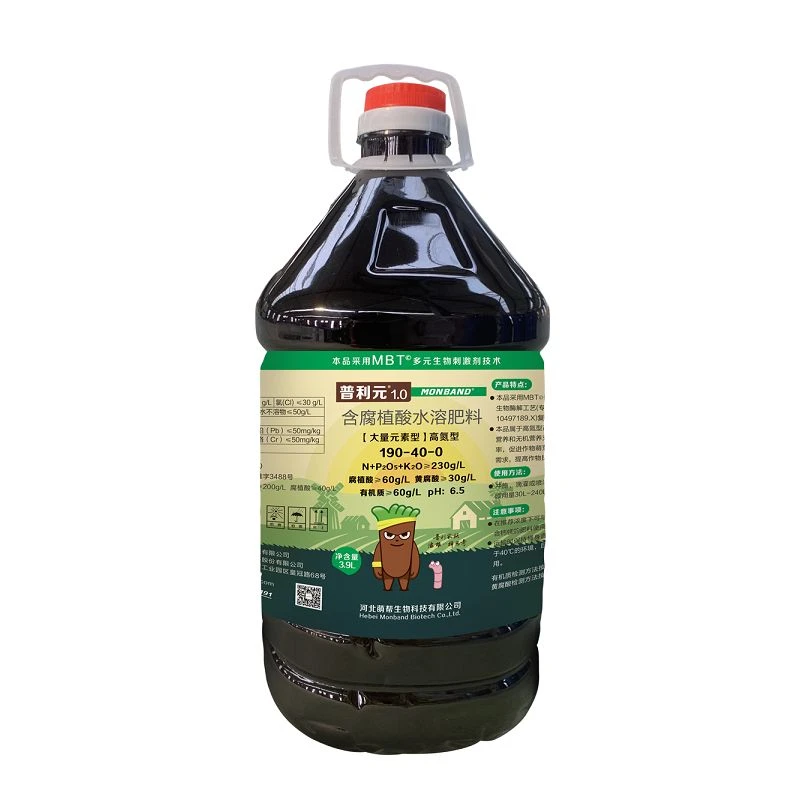
Humic liquid fertilizer is a concentrated solution of humic substances, which are organic compounds derived from the decomposition of plant and animal matter. These humic substances have several properties that can help to regulate soil pH and improve soil health.
Buffering Capacity
One of the primary ways humic liquid fertilizer affects soil pH is by increasing the soil's buffering capacity. Buffering capacity refers to the soil's ability to resist changes in pH when acids or bases are added. Humic substances act as natural buffers, helping to maintain a stable soil pH by neutralizing both acidic and alkaline inputs.
When applied to acidic soil, humic substances can react with hydrogen ions (H+) in the soil, reducing the soil's acidity and raising the pH. Conversely, when applied to alkaline soil, humic substances can release hydrogen ions, lowering the soil's alkalinity and bringing the pH closer to neutral. This buffering effect helps to create a more stable and favorable environment for plant growth.
Chelation
Humic substances also have the ability to chelate, or bind to, metal ions in the soil. This process can help to improve nutrient availability and reduce the negative effects of high soil pH. In alkaline soil, certain metal ions, such as iron, manganese, and zinc, can become insoluble and unavailable to plants. Humic substances can form complexes with these metal ions, keeping them in solution and making them more accessible to plant roots.
By chelating metal ions, humic liquid fertilizer can help to alleviate nutrient deficiencies caused by high soil pH and improve overall plant health. This is particularly important in areas with alkaline soil, where nutrient availability can be a significant limiting factor for crop production.
Microbial Activity
Another way humic liquid fertilizer affects soil pH is by promoting beneficial microbial activity in the soil. Humic substances provide a food source for soil microorganisms, such as bacteria and fungi, which play a crucial role in nutrient cycling and soil health.
These microorganisms can produce organic acids as byproducts of their metabolism, which can help to lower the soil pH and make nutrients more available to plants. Additionally, some microorganisms have the ability to solubilize nutrients, such as phosphorus, by breaking down insoluble compounds in the soil.
By enhancing microbial activity, humic liquid fertilizer can help to create a more favorable soil environment for plant growth and improve nutrient uptake. This can lead to healthier plants, increased crop yields, and improved soil fertility over time.
Benefits of Using Humic Liquid Fertilizer to Adjust Soil pH
Using humic liquid fertilizer to adjust soil pH offers several benefits for farmers and gardeners:
Improved Nutrient Availability
As mentioned earlier, humic liquid fertilizer can help to improve nutrient availability by regulating soil pH and chelating metal ions. This can lead to increased uptake of essential nutrients by plants, resulting in healthier plants and higher crop yields.
Enhanced Soil Structure
Humic substances can also improve soil structure by binding soil particles together and creating aggregates. This can help to improve soil porosity, water infiltration, and aeration, which are all important factors for plant growth.
Increased Water Holding Capacity
Humic liquid fertilizer can help to increase the soil's water holding capacity by improving soil structure and reducing water runoff. This can help to conserve water and reduce the need for irrigation, particularly in areas with limited water resources.
Reduced Environmental Impact
Using humic liquid fertilizer to adjust soil pH can help to reduce the need for synthetic fertilizers and lime, which can have negative environmental impacts. Synthetic fertilizers can contribute to water pollution and greenhouse gas emissions, while lime mining can have significant environmental consequences.
By using a natural and sustainable product like humic liquid fertilizer, farmers and gardeners can help to reduce their environmental footprint and promote more sustainable agriculture practices.
Case Studies and Research Findings
Numerous studies have demonstrated the effectiveness of humic liquid fertilizer in adjusting soil pH and improving soil health. Here are a few examples:
- A study conducted by the University of Florida found that applying humic acid to acidic soil increased the soil pH and improved the availability of essential nutrients, such as phosphorus and potassium. The study also showed that the application of humic acid resulted in increased plant growth and yield.
- Another study conducted by the University of Illinois found that applying humic substances to alkaline soil reduced the soil pH and increased the availability of iron and zinc. The study also showed that the application of humic substances improved plant growth and reduced the incidence of nutrient deficiencies.
- A field trial conducted in India found that applying humic liquid fertilizer to wheat crops increased the soil pH, improved soil fertility, and increased grain yield. The study also showed that the application of humic liquid fertilizer reduced the need for synthetic fertilizers and improved the quality of the wheat grains.
These case studies and research findings provide strong evidence of the effectiveness of humic liquid fertilizer in adjusting soil pH and improving soil health. By incorporating humic liquid fertilizer into their farming or gardening practices, farmers and gardeners can achieve better results and improve the sustainability of their operations.
How to Use Humic Liquid Fertilizer to Adjust Soil pH
Using humic liquid fertilizer to adjust soil pH is relatively straightforward. Here are some general guidelines to follow:
Soil Testing
Before applying humic liquid fertilizer, it's important to test your soil to determine its current pH and nutrient levels. This will help you to determine the appropriate application rate and frequency of humic liquid fertilizer.
Soil testing kits are available at most garden centers and agricultural supply stores. You can also send a soil sample to a professional soil testing laboratory for more accurate results.
Application Rate
The application rate of humic liquid fertilizer will depend on several factors, including the soil type, pH level, and crop type. As a general rule, it's recommended to apply 1 to 2 quarts of humic liquid fertilizer per acre of soil.
For smaller gardens or potted plants, you can dilute the humic liquid fertilizer with water according to the manufacturer's instructions and apply it directly to the soil.
Application Frequency
The frequency of humic liquid fertilizer application will also depend on several factors, including the soil type, pH level, and crop type. As a general rule, it's recommended to apply humic liquid fertilizer every 4 to 6 weeks during the growing season.
However, you may need to adjust the application frequency based on the specific needs of your soil and crops. For example, if your soil is highly acidic or alkaline, you may need to apply humic liquid fertilizer more frequently to achieve the desired pH adjustment.
Application Method
Humic liquid fertilizer can be applied to the soil using a variety of methods, including spraying, drip irrigation, and fertigation. The most appropriate application method will depend on the size of your garden or farm, the type of equipment you have available, and the specific needs of your soil and crops.
When applying humic liquid fertilizer, it's important to ensure that it is evenly distributed throughout the soil. This will help to ensure that all plants receive the benefits of the fertilizer and that the soil pH is adjusted uniformly.

Conclusion
In conclusion, humic liquid fertilizer is a powerful tool for adjusting soil pH and improving soil health. By increasing the soil's buffering capacity, chelating metal ions, promoting beneficial microbial activity, and improving soil structure, humic liquid fertilizer can help to create a more favorable environment for plant growth and increase crop yields.
As a supplier of Humic Liquid Fertilizer, I'm committed to providing high-quality products and services to farmers and gardeners around the world. If you're interested in learning more about how humic liquid fertilizer can benefit your soil and crops, or if you'd like to discuss your specific needs and requirements, please don't hesitate to contact us. We'd be happy to help you find the right solution for your farming or gardening operation.
References
- Brady, N. C., & Weil, R. R. (2008). The nature and properties of soils. Pearson Prentice Hall.
- Chen, Y., & Aviad, T. (1990). Humic substances in soil and crop sciences: Selected readings. American Society of Agronomy.
- Stevenson, F. J. (1994). Humus chemistry: Genesis, composition, reactions. Wiley.


