

Hey there! I'm a supplier of Humic Acid Organic Fertilizer, and I'm super excited to talk about how this amazing stuff can impact the growth of spice plants. As someone in the fertilizer biz, I've seen firsthand the magic that happens when you use humic acid on these flavorful plants.
First off, let's understand what humic acid organic fertilizer is. It's made from decomposed organic matter, like peat, lignite, or leonardite. This natural breakdown process results in a rich, dark substance full of nutrients and beneficial compounds. And trust me, spice plants absolutely love it!
One of the key ways humic acid affects spice plants is by improving soil structure. You see, spice plants, just like any other plants, need a good home in the soil. Humic acid acts like a glue that binds soil particles together, creating larger aggregates. This improves soil porosity, which means better air and water movement. When the soil can breathe and drain properly, the roots of spice plants can grow deeper and stronger. For example, cilantro, a popular spice plant, needs well - drained soil to prevent root rot. With humic acid in the soil, the chances of waterlogging are reduced, allowing cilantro to thrive.
Another great thing about humic acid is its ability to increase nutrient availability. Spice plants need a variety of nutrients like nitrogen, phosphorus, and potassium to grow and produce those wonderful flavors. Humic acid has a high cation - exchange capacity (CEC). This means it can hold onto nutrients in the soil and release them slowly as the plants need them. It's like having a nutrient bank for your spice plants. Take oregano, for instance. It requires a steady supply of nutrients to develop its strong flavor. Humic acid ensures that the nutrients are there when oregano needs them, resulting in healthier and more flavorful plants.
Humic acid also plays a role in stimulating root growth. Roots are the lifeline of plants, and for spice plants, healthy roots mean better uptake of water and nutrients. The organic compounds in humic acid act as growth stimulants. They encourage the production of root hairs, which are tiny extensions of the roots that increase the surface area for absorption. Basil, a favorite in many kitchens, benefits greatly from enhanced root growth. With more root hairs, basil can absorb more water and nutrients, leading to lusher growth and more aromatic leaves.

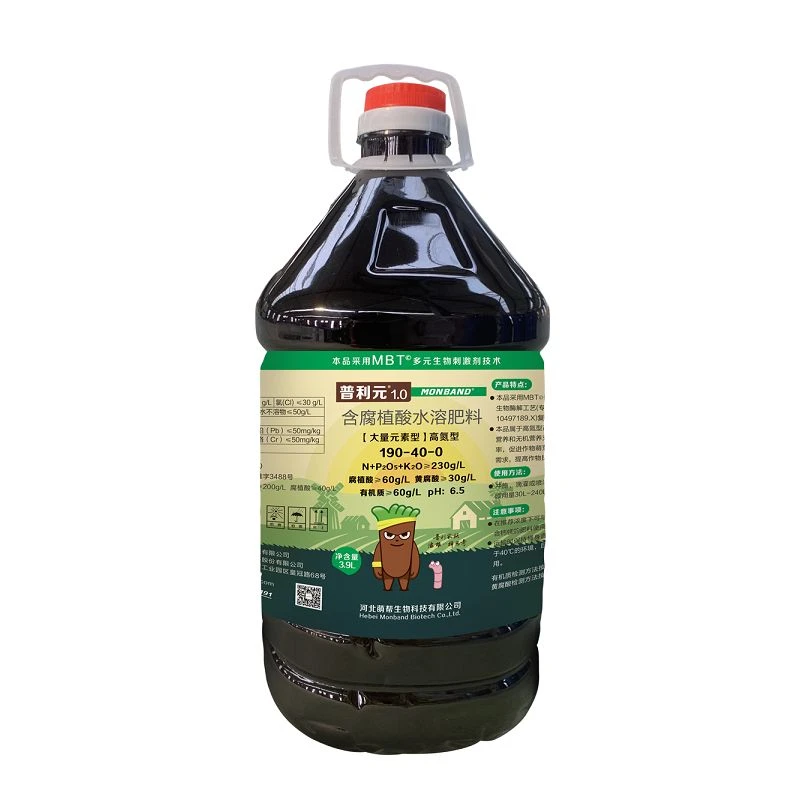
Now, let's talk about the different types of humic acid fertilizers available. We have Bio Humic Fertilizer, which combines humic acid with beneficial microorganisms. These microbes work in harmony with the humic acid to improve soil health even further. They can break down organic matter in the soil, releasing more nutrients for the spice plants. Then there's Humic Liquid Fertilizer. It's easy to apply, either through foliar spraying or soil drenching. This type of fertilizer allows for quick nutrient uptake by the plants. And of course, we have Humic Organic Fertilizer, which is a solid form that can be mixed into the soil during planting or as a top - dressing.
In terms of the overall health of spice plants, humic acid can enhance their resistance to stress. Spice plants can face various stresses like drought, disease, and pests. Humic acid helps the plants build a stronger immune system. It can increase the production of antioxidants in the plants, which protect them from damage caused by free radicals. Thyme, for example, can be susceptible to certain fungal diseases. When treated with humic acid, thyme plants are better able to fight off these diseases, staying healthy and productive.
Let's not forget about the flavor of the spice plants. The nutrients and growth - promoting properties of humic acid can directly impact the flavor compounds in the plants. When a spice plant is healthy and well - nourished, it can produce more of the essential oils and other flavor - giving substances. For example, cinnamon basil, with its unique sweet and spicy flavor, can have an even more intense taste when grown with the help of humic acid. The improved nutrient uptake and overall plant health contribute to a more concentrated flavor profile.
If you're growing spice plants commercially, using humic acid organic fertilizer can be a game - changer. It can increase your yields, improve the quality of your produce, and reduce the need for synthetic fertilizers and pesticides. This not only benefits the environment but also makes your spice plants more marketable.
As a supplier, I've had many customers come back to me raving about the results they've seen with our humic acid fertilizers. One customer who grows a variety of spice plants for a local market told me that after using our Humic Organic Fertilizer, the flavor of his sage and rosemary was so much better that he was able to charge a premium price. Another customer, who grows mint for tea production, noticed a significant increase in the size and aroma of the mint leaves after using Humic Liquid Fertilizer.
If you're interested in giving your spice plants the best chance to grow and produce amazing flavors, I highly recommend trying our humic acid organic fertilizers. Whether you're a small - scale home gardener or a large - scale commercial grower, we have the right product for you. Don't hesitate to reach out to start a discussion about your specific needs. Let's work together to grow the most flavorful spice plants possible!
References
- Brady, N. C., & Weil, R. R. (2008). The nature and properties of soils. Pearson Prentice Hall.
- Stevenson, F. J. (1994). Humus chemistry: genesis, composition, reactions. Wiley - Interscience.
- Mengel, K., & Kirkby, E. A. (2001). Principles of plant nutrition. Kluwer Academic Publishers.


