

As a supplier of Tomato Water Soluble Fertilizer, I often get asked about the compatibility of our product with compost. This is a crucial question for gardeners and farmers alike, as the right combination of fertilizers can significantly enhance tomato growth and yield. In this blog, I'll delve into the science behind using tomato water soluble fertilizer in conjunction with compost, exploring the benefits, potential drawbacks, and best practices.
Understanding Tomato Water Soluble Fertilizer
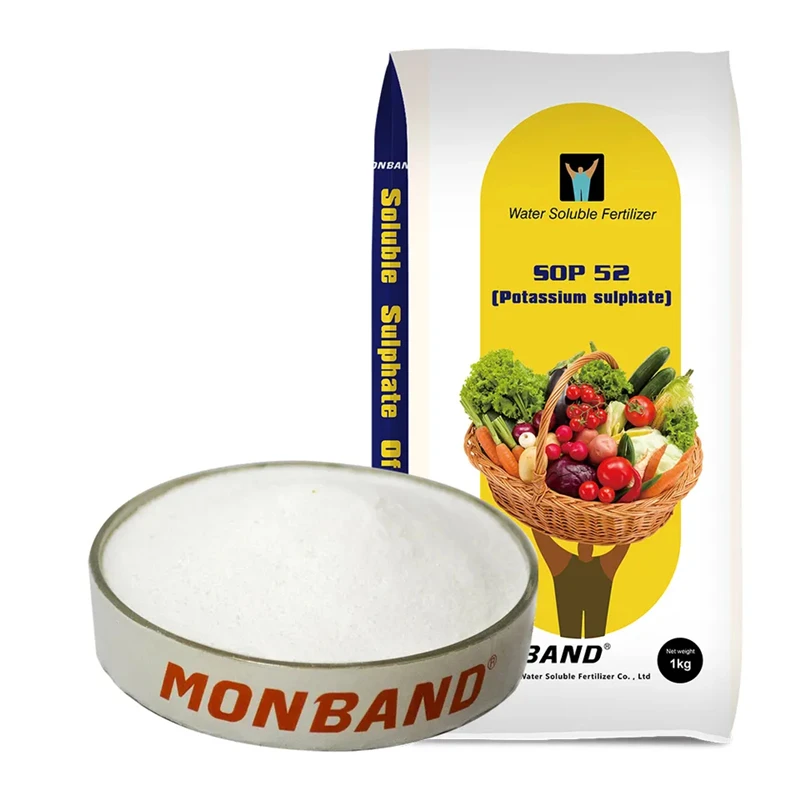
Tomato water soluble fertilizers are formulated to provide essential nutrients to tomato plants in a readily available form. These fertilizers typically contain a balanced mix of nitrogen (N), phosphorus (P), and potassium (K), along with other micronutrients like calcium, magnesium, and iron. The water-soluble nature of these fertilizers allows for quick absorption by the plant roots, ensuring rapid nutrient uptake and efficient growth.
Our Water Soluble Balanced Fertilizer is specifically designed for tomatoes, providing the optimal nutrient ratio for healthy foliage, strong root development, and abundant fruit production. The balanced formulation helps to prevent nutrient deficiencies and promotes overall plant vigor.
The Role of Compost in Tomato Cultivation
Compost is a valuable organic amendment that enriches the soil with organic matter, improves soil structure, and enhances soil fertility. It is made by decomposing organic materials such as leaves, grass clippings, kitchen scraps, and manure. Compost contains a wide range of nutrients, including nitrogen, phosphorus, potassium, and micronutrients, as well as beneficial microorganisms that help to break down organic matter and make nutrients more available to plants.
When added to the soil, compost improves soil aeration, water-holding capacity, and drainage, creating a favorable environment for tomato roots to grow. It also helps to buffer soil pH, making it more stable and less prone to fluctuations. Additionally, compost can suppress soil-borne diseases and pests, reducing the need for chemical pesticides.
Benefits of Combining Tomato Water Soluble Fertilizer with Compost
1. Nutrient Availability
One of the main benefits of using tomato water soluble fertilizer in combination with compost is the improved nutrient availability to the plants. Compost slowly releases nutrients over time, providing a steady supply of essential elements to the tomato plants. However, the nutrient release from compost can be slow, especially in cold or wet conditions. By adding a water-soluble fertilizer, you can supplement the nutrients provided by the compost and ensure that the plants have access to an adequate supply of nutrients when they need them most.
The water-soluble fertilizer provides an immediate boost of nutrients, while the compost continues to release nutrients gradually, creating a balanced and sustainable nutrient supply for the tomato plants throughout the growing season.

2. Soil Health
Compost helps to improve soil health by adding organic matter and beneficial microorganisms to the soil. The organic matter in compost acts as a sponge, holding onto water and nutrients and preventing them from leaching out of the soil. The beneficial microorganisms in compost help to break down organic matter, release nutrients, and suppress soil-borne diseases.
When used in combination with tomato water soluble fertilizer, compost can enhance the effectiveness of the fertilizer by improving soil structure and nutrient retention. The water-soluble fertilizer provides the nutrients needed for plant growth, while the compost helps to create a healthy soil environment that supports root development and nutrient uptake.
3. Plant Growth and Yield
The combination of tomato water soluble fertilizer and compost can significantly enhance plant growth and yield. The balanced nutrient supply provided by the fertilizer and compost promotes healthy foliage, strong root development, and abundant fruit production. The improved soil health and nutrient availability also help to reduce stress on the plants, making them more resistant to diseases and pests.
Studies have shown that using a combination of water-soluble fertilizer and compost can increase tomato yields by up to 20% compared to using either fertilizer or compost alone. The improved fruit quality, including larger size, better color, and higher sugar content, also makes the tomatoes more marketable.
Potential Drawbacks of Combining Tomato Water Soluble Fertilizer with Compost
1. Nutrient Imbalance
If not used correctly, combining tomato water soluble fertilizer with compost can lead to nutrient imbalances in the soil. For example, if too much nitrogen is applied, it can cause excessive vegetative growth at the expense of fruit production. On the other hand, if too little phosphorus or potassium is applied, it can result in poor fruit set and development.
To avoid nutrient imbalances, it is important to follow the recommended application rates for both the water-soluble fertilizer and compost. Conducting a soil test before planting can help you determine the nutrient needs of your soil and adjust the fertilizer and compost application rates accordingly.
2. Salt Buildup
Water-soluble fertilizers can contain high levels of salts, which can accumulate in the soil over time if not properly managed. Excessive salt buildup can damage plant roots, reduce water uptake, and cause nutrient imbalances. Compost, on the other hand, can also contribute to salt buildup if it is made from materials that are high in salts, such as manure or seaweed.
To prevent salt buildup, it is important to use a water-soluble fertilizer that is low in salts and to apply it at the recommended rates. Additionally, you can leach the soil periodically by watering it thoroughly to flush out any excess salts.
Best Practices for Combining Tomato Water Soluble Fertilizer with Compost
1. Soil Testing
Before planting tomatoes, it is recommended to conduct a soil test to determine the nutrient status of your soil. A soil test will provide information on the pH, organic matter content, and nutrient levels in your soil, allowing you to make informed decisions about the type and amount of fertilizer and compost to apply.
Based on the soil test results, you can adjust the fertilizer and compost application rates to meet the specific nutrient needs of your tomato plants. For example, if your soil is low in nitrogen, you may need to apply a higher rate of nitrogen fertilizer or use a compost that is rich in nitrogen.
2. Application Timing
The timing of fertilizer and compost application is crucial for maximizing the benefits of both products. It is recommended to apply compost to the soil before planting tomatoes to allow it to break down and release nutrients over time. You can incorporate the compost into the soil to a depth of 6-8 inches using a tiller or garden fork.
After planting, you can start applying the water-soluble fertilizer when the tomato plants begin to show signs of growth. It is important to follow the recommended application rates and frequency provided by the fertilizer manufacturer. Generally, it is best to apply the water-soluble fertilizer in small doses at regular intervals throughout the growing season to avoid over-fertilization.
3. Mixing and Application Methods
When combining tomato water soluble fertilizer with compost, it is important to mix them thoroughly to ensure an even distribution of nutrients. You can mix the water-soluble fertilizer with water according to the manufacturer's instructions and then apply it to the soil around the base of the tomato plants. Alternatively, you can apply the water-soluble fertilizer through a drip irrigation system for more precise and efficient application.
Compost can be applied as a top dressing around the base of the tomato plants or incorporated into the soil. It is important to keep the compost away from the stems of the plants to prevent rotting.
Conclusion
In conclusion, tomato water soluble fertilizer can be used in combination with compost to provide a balanced and sustainable nutrient supply for tomato plants. The combination of these two products offers several benefits, including improved nutrient availability, enhanced soil health, and increased plant growth and yield. However, it is important to use them correctly to avoid potential drawbacks such as nutrient imbalances and salt buildup.
By following the best practices outlined in this blog, you can maximize the benefits of using tomato water soluble fertilizer and compost in your tomato cultivation. If you have any questions or need further information about our Tomato Water Soluble Fertilizer or Organic Soluble Fertilizer, please feel free to contact us. We are here to help you achieve the best results in your tomato production.
References
- Brady, N. C., & Weil, R. R. (2008). The nature and properties of soils. Pearson Prentice Hall.
- Hartz, T. K., & Bottoms, E. M. (2010). Fertilizer management for fresh market tomatoes in California. University of California Agriculture and Natural Resources.
- Teasdale, J. R., & Abdul-Baki, A. A. (1998). Cover crop residue management effects on soil water, soil temperature, and tomato yield. Agronomy Journal, 90(6), 928-934.


